

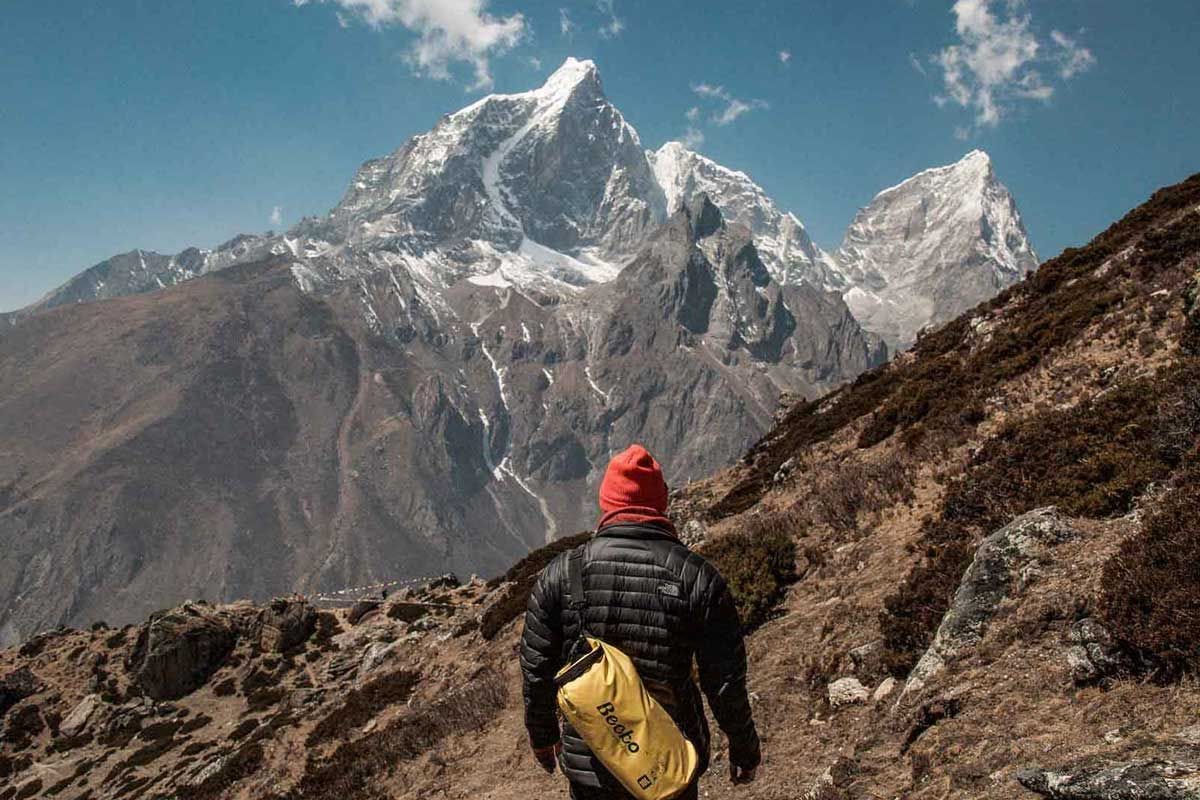
We get the same question after every high-altitude trip: why does sleep fall apart above 3,000 meters, and what can we actually do about it? This is the protocol we give our own friends.
The short version: altitude doesn't just thin the air, it rewires your breathing during sleep. At altitude, your breathing can become irregular during sleep, with pauses followed by sudden deep breaths. This can disrupt the deep sleep your body needs to recover for the next day on the mountain.
Most people blame the cold or the unfamiliar tent. It's neither. It's chemistry, and chemistry responds to a plan.
The three levers that actually move sleep
Lever one is acclimatization cadence. Climb high, sleep low but the ratio matters more than the slogan, and most itineraries get it wrong by a full day.
Lever two is timing your last hydration and your first breath work. We have people do four minutes of a specific cadence before lights-out, it measurably shortens the periodic-breathing pauses.
The third lever is the one nobody wants to hear about: staying flexible with your summit plans. Your body sets the timeline and it might not be in your your calendar.
Here's the exact night-by-night protocol we hand our guides, including the breath cadence and the two supplements we do and don't use.
Originally published at jadepeak.com.
