

Disclosure
Jade Peak writes about places, experiences, and the people behind them, so hotels, operators, and companies come up often. We have no financial relationship with any entity named in this article. If that ever changes, we'll say so plainly, right here at the top.
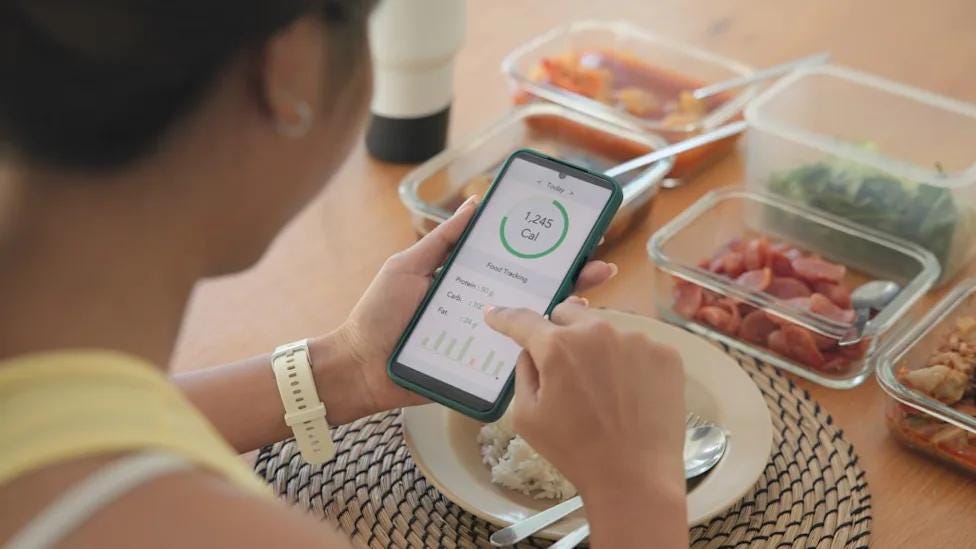
Maybe you want to take that big step of actually knowing what you're putting in your body. Maybe you just want to be a bit more aware of it, or maybe you've got specific goals in mind. Either way, you're in the right place. A quick warning before we start. Tracking is a tool, not a personality. It works because it makes you pay attention, but the moment it starts feeling like homework or an obsession, that's your cue to close the app. With that said, here are the names everyone ends up trying.
MyFitnessPal.
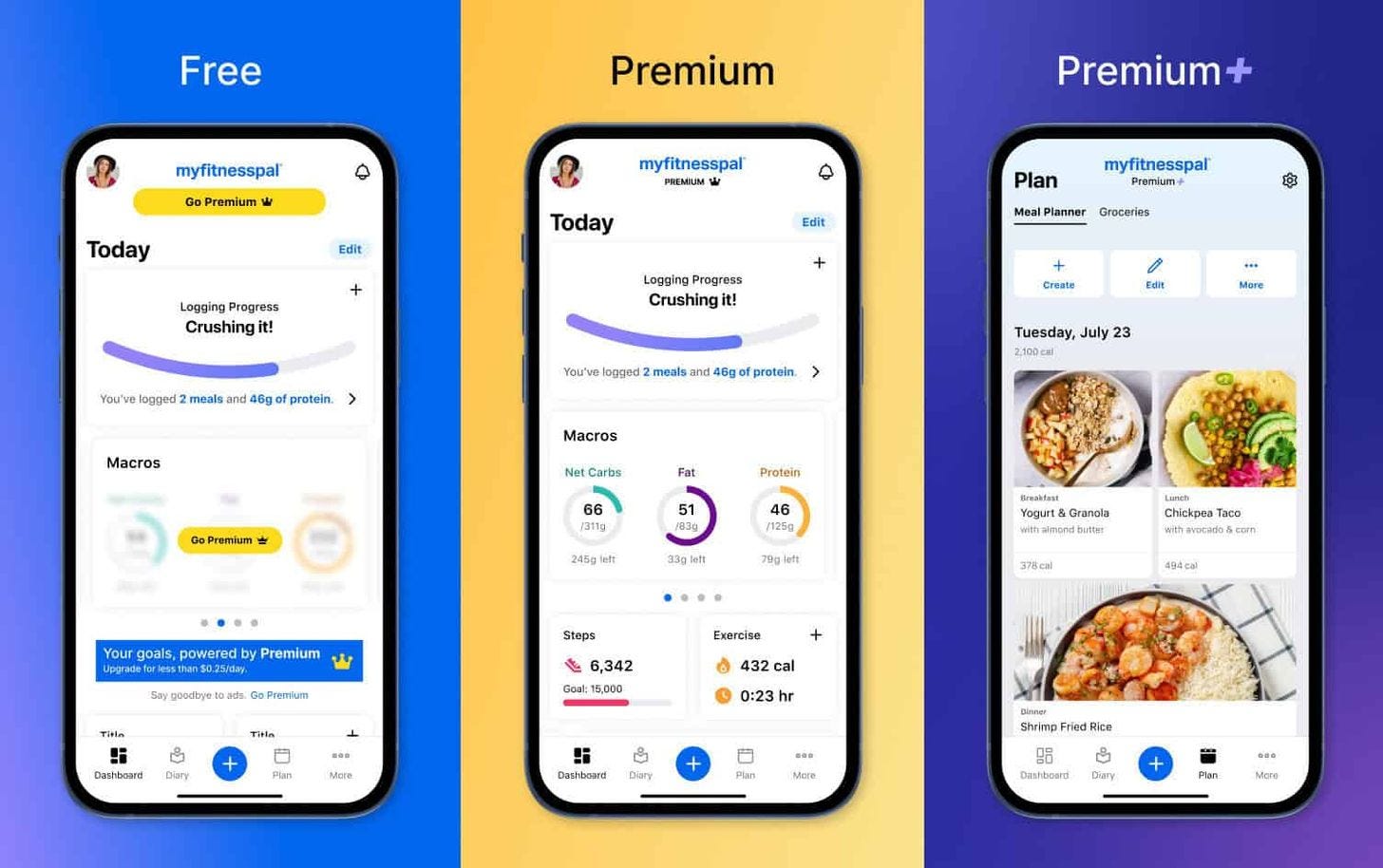
The default, the one your friend already has. Its food database is enormous and it syncs with basically every watch and app you own. The catch: a lot of entries are submitted by other users, so accuracy varies, and they've quietly moved barcode scanning behind the paid tier. Great for getting started, worth double-checking your numbers.
Cronometer.
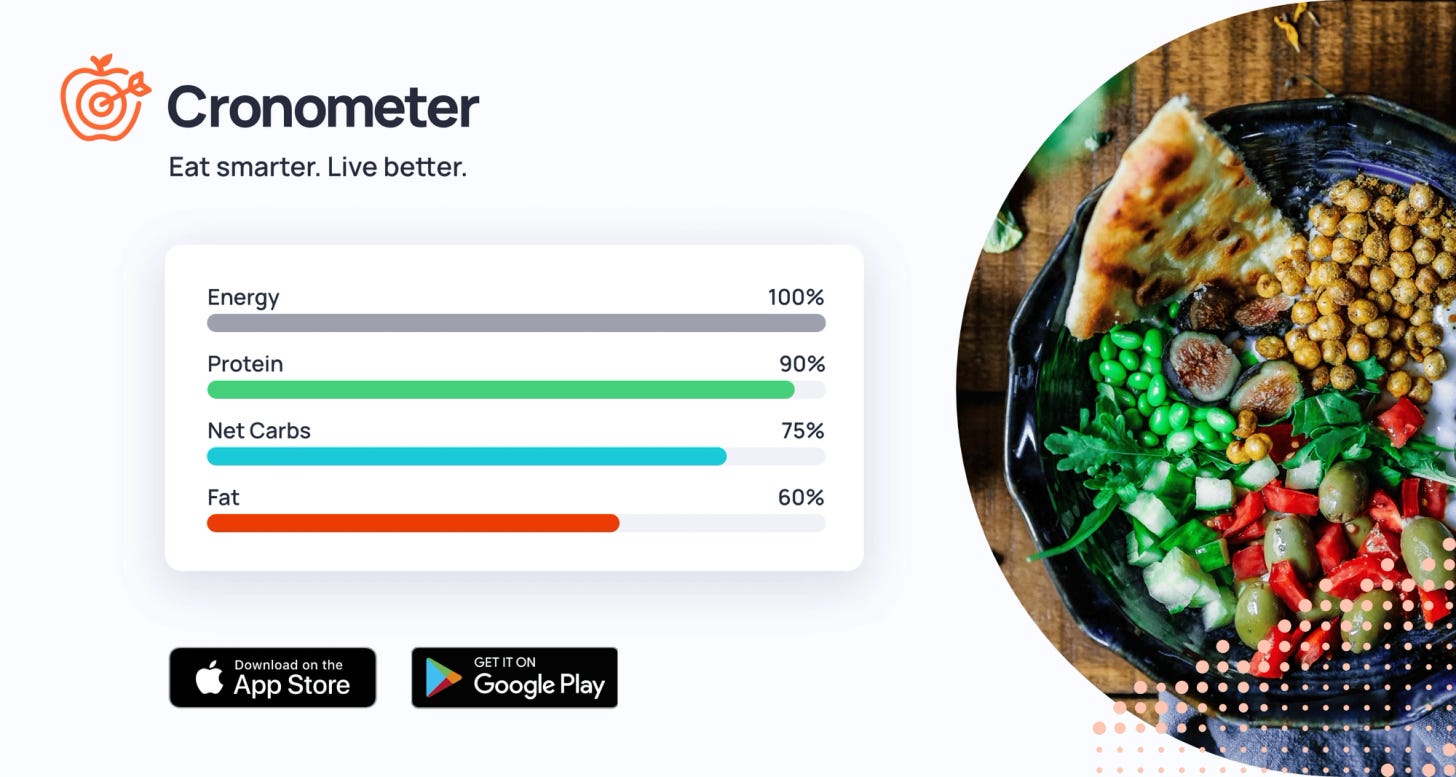
The accuracy nerd of the group. It pulls from verified sources like the USDA database and tracks around 84 nutrients, so you see vitamins, minerals and amino acids, not just protein and carbs. The database is smaller, so if you eat a lot of packaged or restaurant food you'll be typing things in manually. Best if you cook at home and actually care about micronutrients.
MacroFactor.
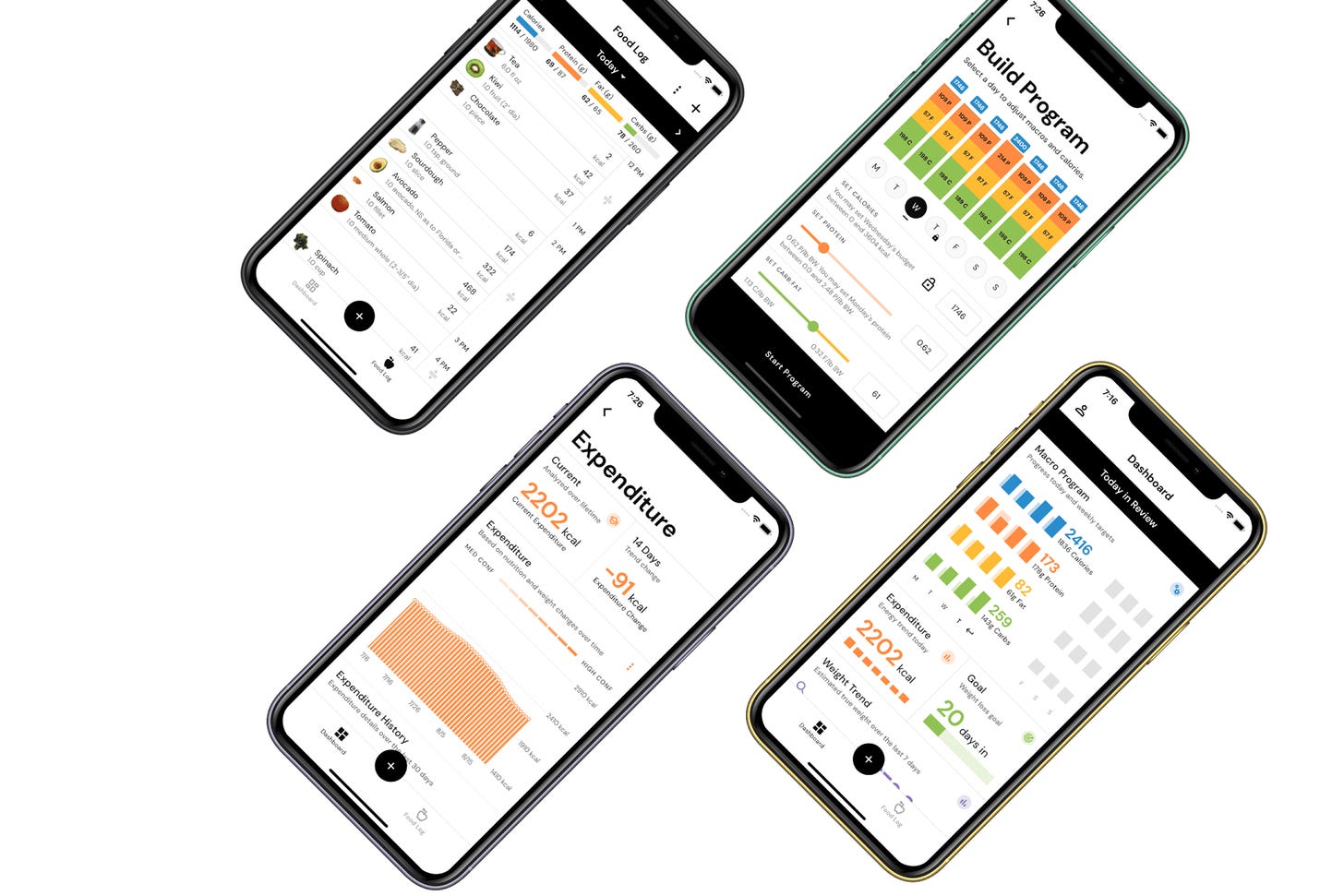
The newer, smart one, built by the science-minded team at Stronger By Science. Instead of locking you into a fixed number, it reads your weekly weigh-ins and adjusts your targets as your body responds. Clean, verified data, no ads. No free version though, so it's a small commitment from day one.
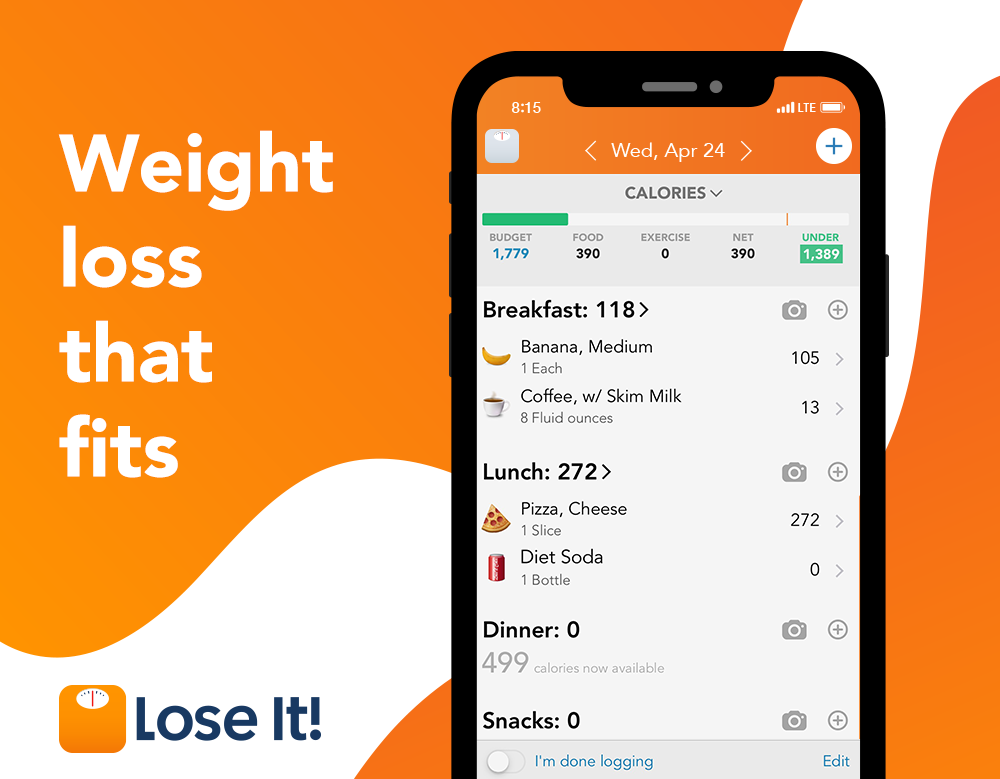
Lose It!
The friendly, gamified one. Streaks, badges, a simple interface, and a premium tier that's cheaper than most. If you're a beginner who wants encouragement more than spreadsheets, this is the gentle entry point.
FatSecret.
The genuinely free one. Barcode scanning, a solid database and macro tracking, all without constantly being asked to pay. The nice side effect of that scanner: you're standing in the supermarket aisle actually seeing what's in the thing before it goes in your basket. Not the flashiest app, but if your only goal is to log food without a subscription, it does the job every time.

One honest takeaway:
the best app is simply the one you'll open every day. The fanciest algorithm is useless if you abandon it by week two, and consistent-but-imperfect tracking beats perfect-but-occasional every time. Pick the one that feels least like a chore.
Nutrition tracking can be a sensitive area for some people. If counting ever tips into something that feels compulsive or stressful, it's completely fine to step back, and a dietitian is a better guide than any app.
Originally published at jadepeak.com.
