

Disclosure
Jade Peak writes about places, experiences, and the people behind them, so hotels, operators, and companies come up often. We have no financial relationship with any entity named in this article. If that ever changes, we'll say so plainly, right here at the top.
There are two ways to remember a trip to the Amalfi Coast. One is the postcard: the cliffs, the sea, and a sun lounger. The other is coming home with something you can actually do. Over two days between Ravello and Capri, I kept the second.
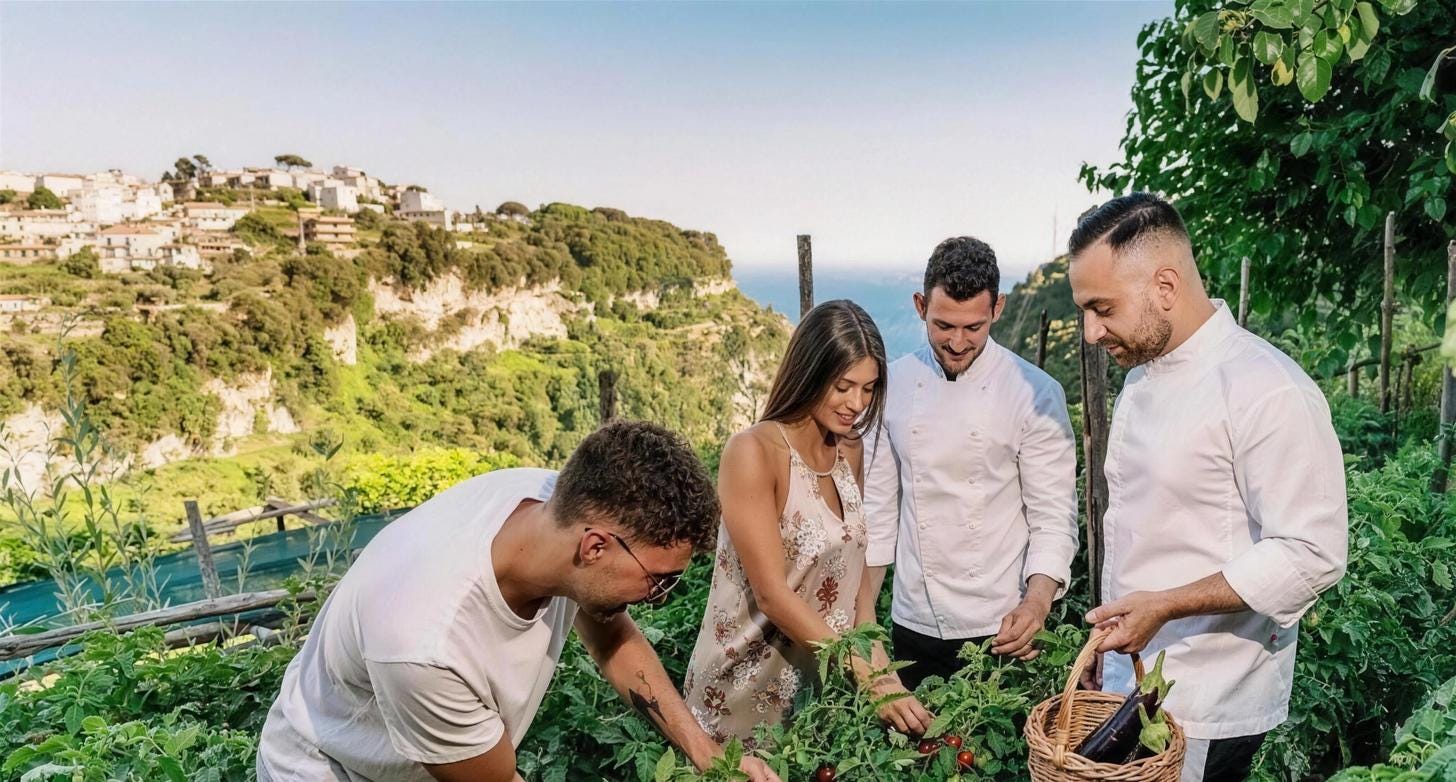
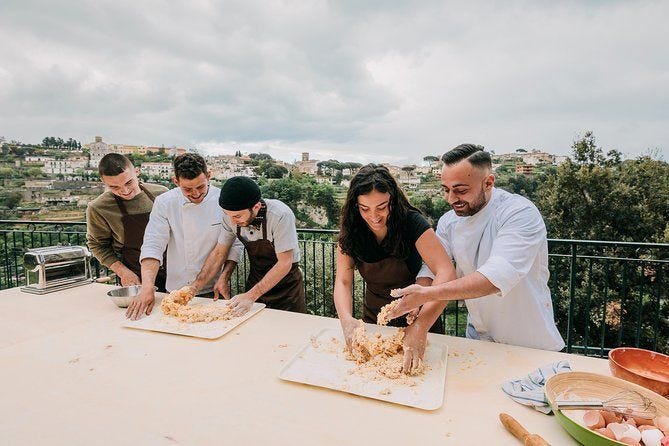
A cooking class with Marco and Tano, in the hills above the coast near Ravello, is exactly that. You cook in their home kitchen, using vegetables you pick yourself from the garden, and learn how to make fresh pasta from scratch. The garden looks out over the sea. Marco and Tano are lifelong friends, raised around Sunday lunches and family recipes, who opened their villa to travellers after years working in restaurants and learning from their nonnas, their grandmothers.
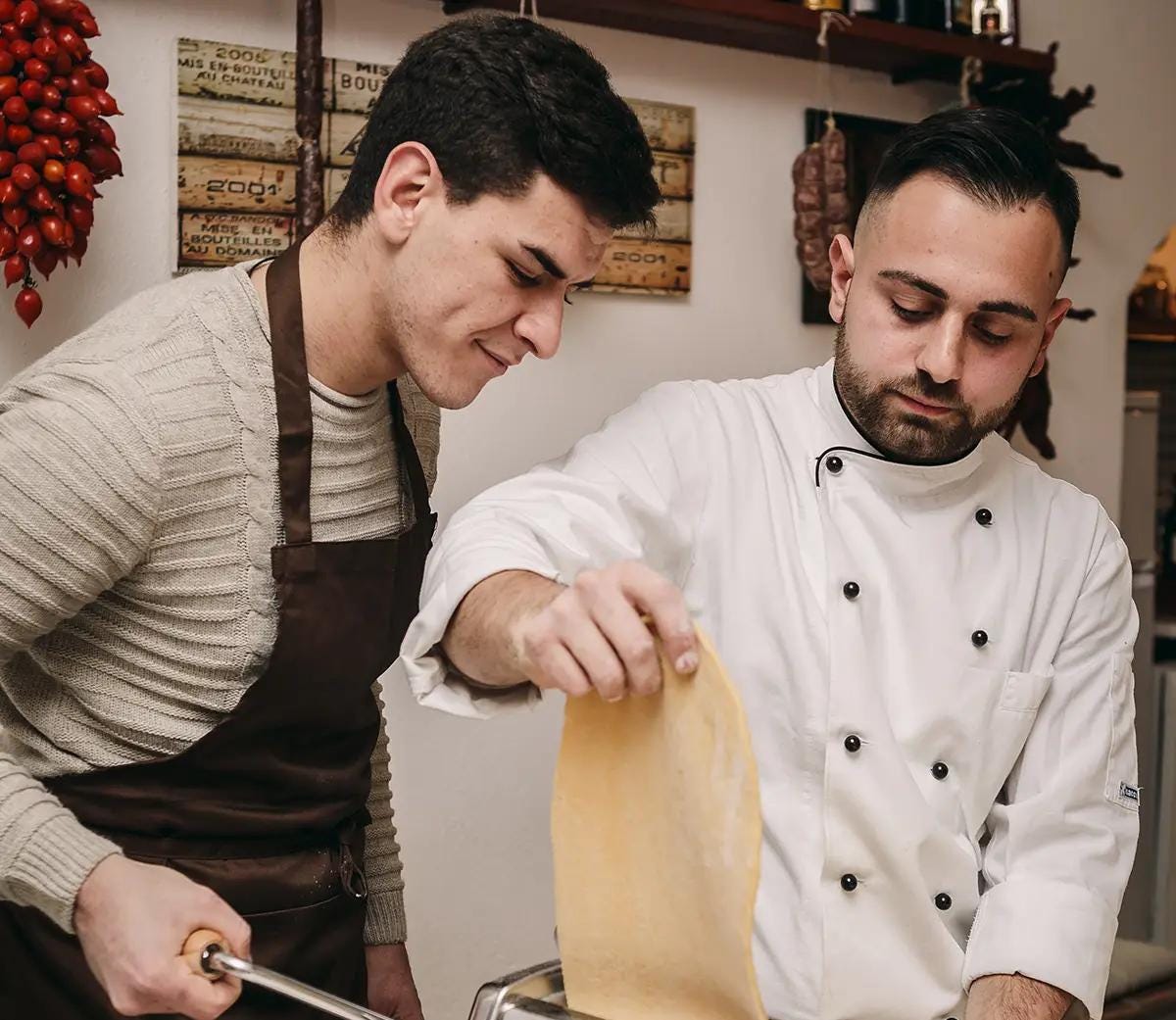
The reason this matters to us at Jade Peak is the local specialities. You can find pizza wherever you live, maybe not quite as good as in Italy, and you can probably find a good pasta restaurant too. But Italian cooking goes much further than that. A class like this introduces you to dishes you may have never heard of, paired with local wine and homemade limoncello around the table. You leave not just having eaten something memorable, but knowing how to recreate it at home.
Part of the experience is understanding where the food comes from. The Amalfi Coast grows much of its produce on terraces: thousands of dry-stone walls built without cement, some between three and seven metres high, carved into slopes that would otherwise be impossible to farm. The FAO recognises this terraced landscape as a Globally Important Agricultural Heritage System.
The people who maintain these landscapes are known as the “flying farmers”, carrying baskets of up to 70 kilos along narrow paths hundreds of metres above the sea. When you pick oregano or a tomato from Marco and Tano’s garden, you are tasting the landscape itself the same soil, the same terraces, and the same traditions that have shaped Amalfi’s cuisine for generations.
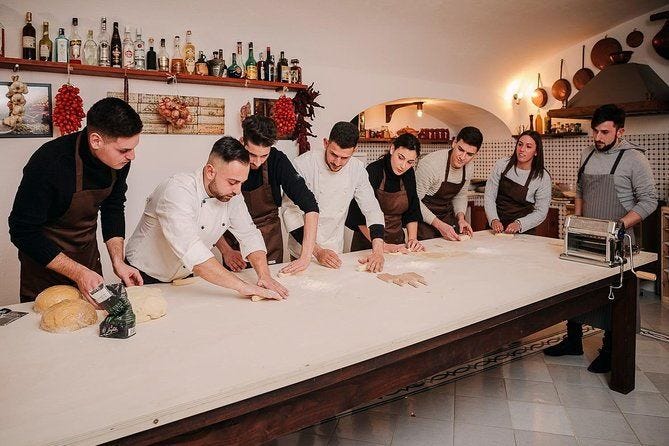
This kind of travel is growing fast. Culinary tourism is becoming one of the fastest-growing ways to experience a destination, as travellers increasingly look for experiences that go beyond eating at a restaurant. Cooking classes, farm visits and food-based activities allow visitors to understand a place through its ingredients, traditions and people and to take a small part of that culture home with them.
And if you do the class, here is hoping you become one of those people who ends up cooking a dish with oregano grown on your own terrace.
Originally published at jadepeak.com.
