

If you're thinking about walking the Camino de Santiago for the first time, or returning to experience a different route, one question inevitably comes up: which Camino should you choose?
While many people see the Camino as a pilgrimage, others are drawn by the challenge. If you're someone who enjoys difficult things, you're our kind of person.
Camino Francés for first-time pilgrims
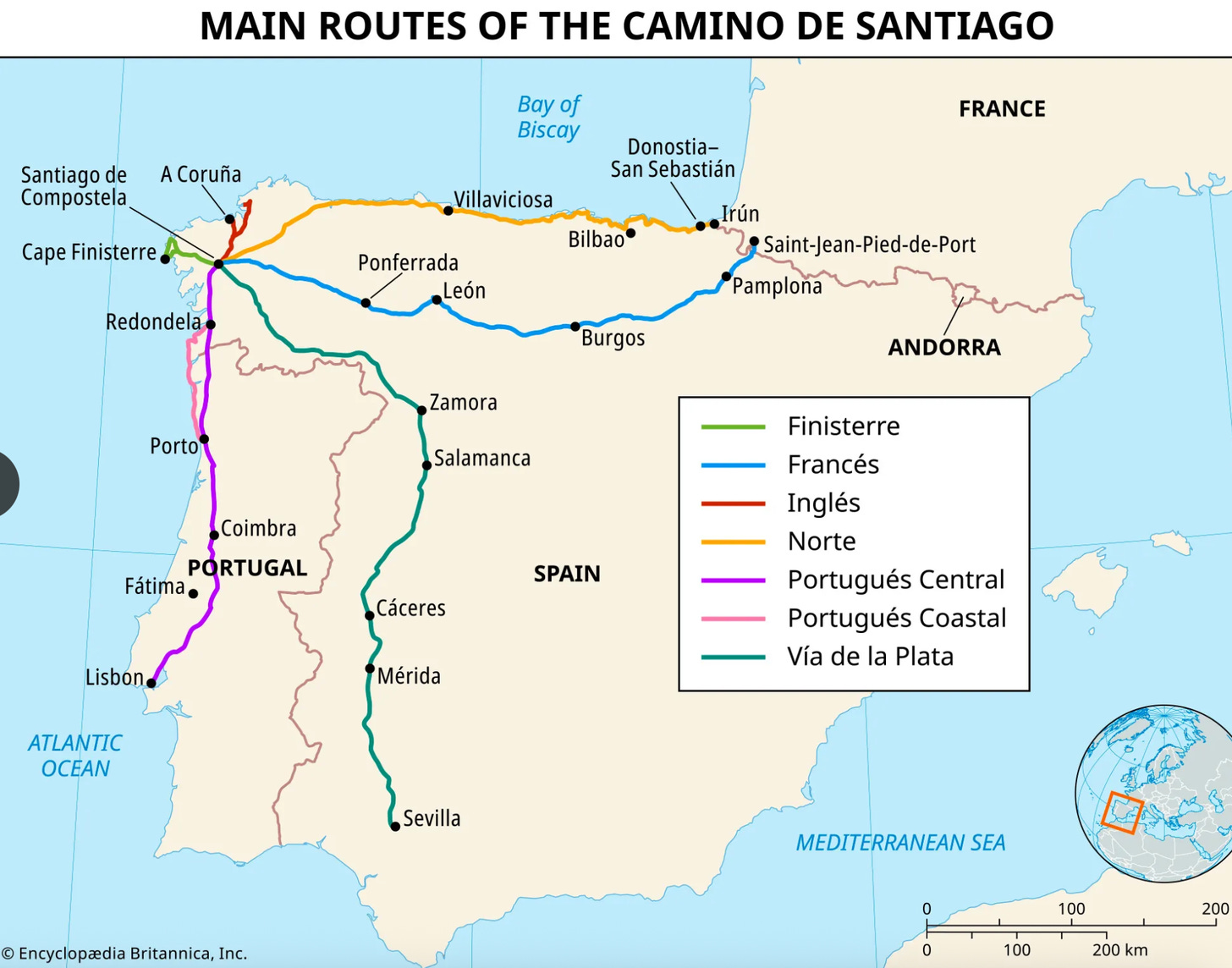
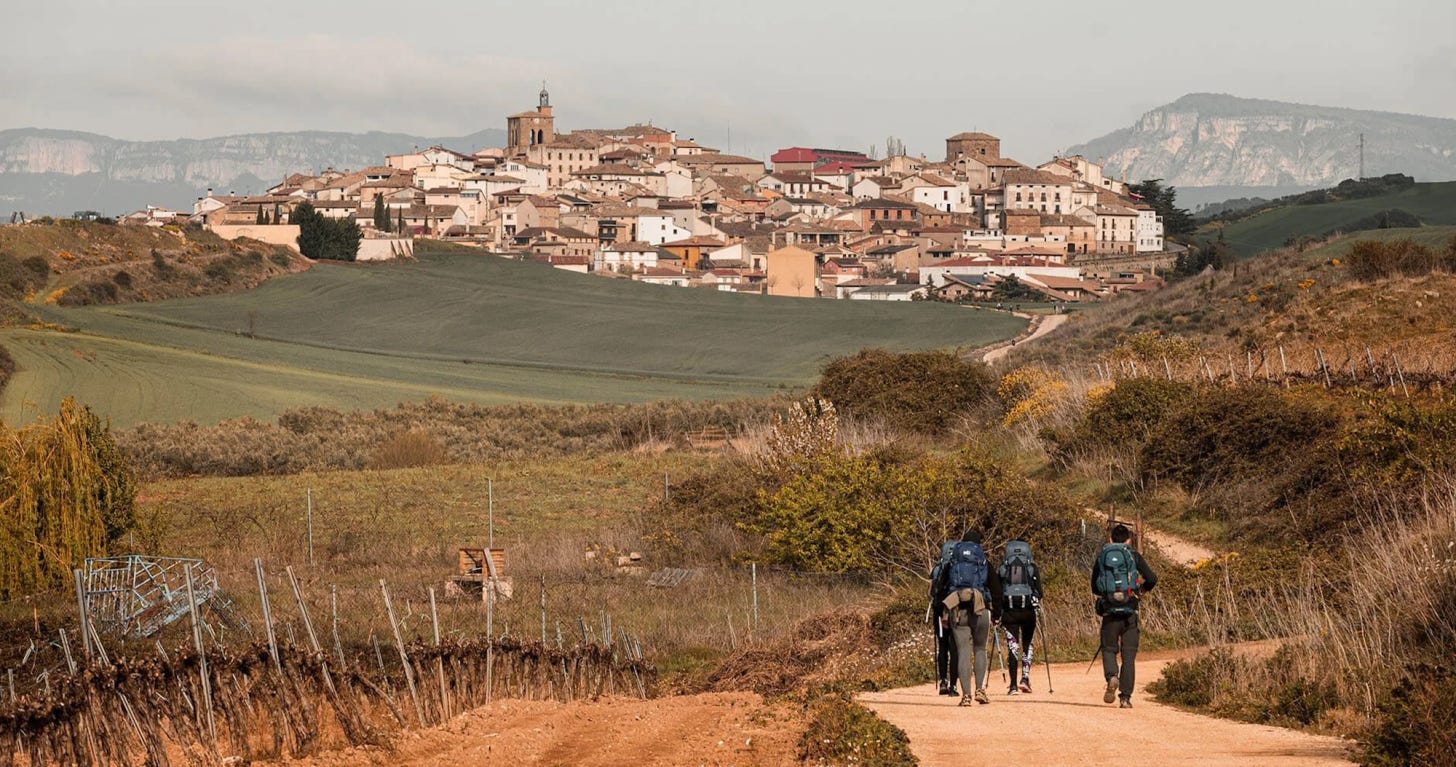
The most famous route and the one most people imagine when they think of the Camino. Starting in Saint-Jean-Pied-de-Port in France, it covers roughly 800 kilometres before reaching Santiago.
Its biggest advantage is infrastructure. Accommodation is plentiful, the route is extremely well marked and you'll never be far from other pilgrims. It's also one of the easiest routes to organise logistically. Many people choose to walk it, while others complete sections by bicycle. My French grandparents have cycled the route twice over the years, using luggage transfer services that move bags from one accommodation to the next, allowing pilgrims to focus on the journey rather than the weight on their backs
Camino Portugués for the scenery and coastal landscapes
Many pilgrims start in Porto, while others begin further south in Lisbon or Coimbra. The route combines historic towns, vineyards, and coastal boardwalks.
One thing worth knowing is that opinions differ depending on where people start. Several experienced pilgrims mention that sections south of Porto can involve long stretches on roads, while the route north of Porto is often considered the highlight of the journey. Many pilgrims start in Porto and choose between the Coastal and Central routes. One follows the Atlantic coastline, the other passes through historic towns and countryside, and both can be combined during the journey.
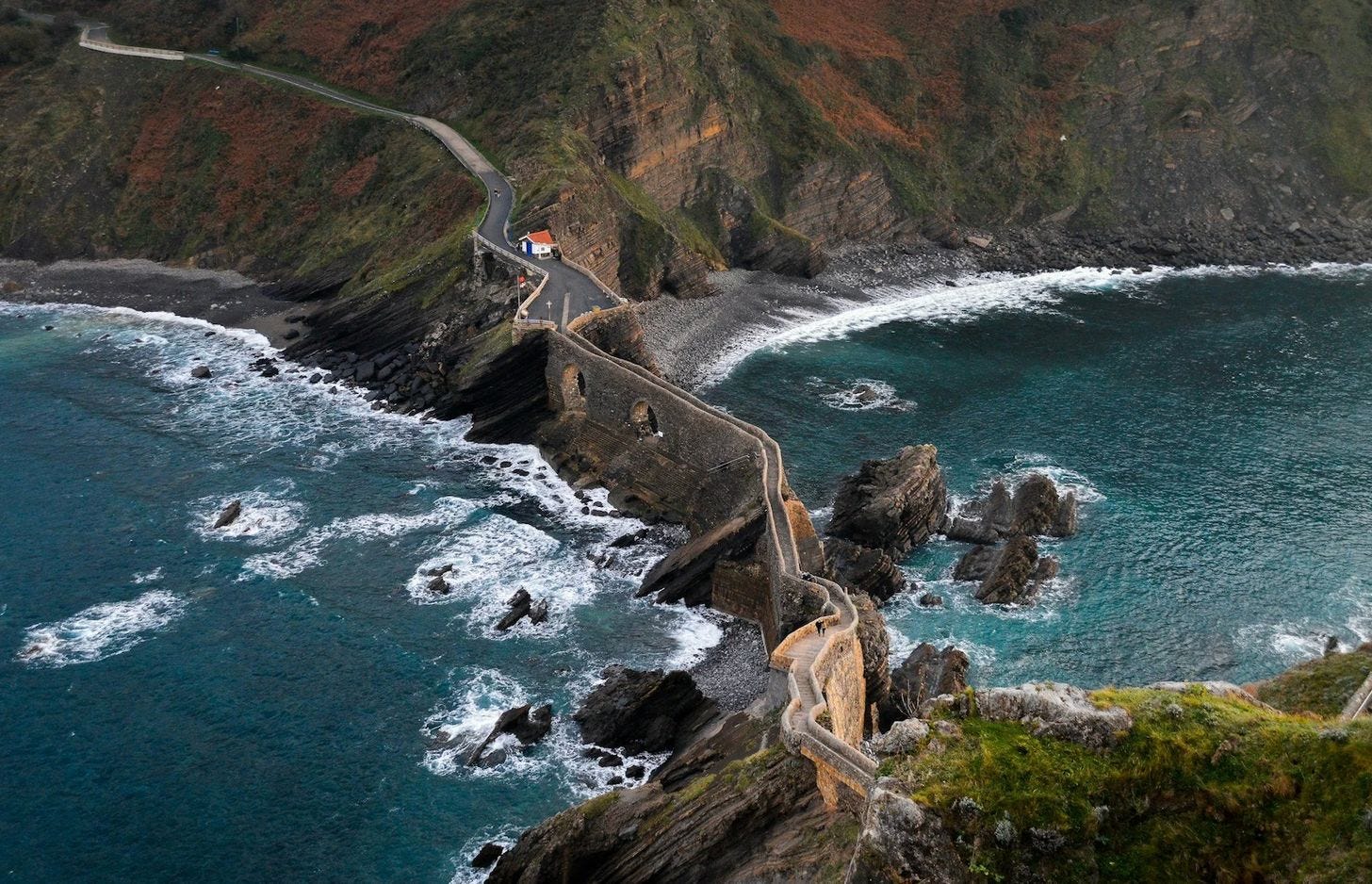
Camino del Norte for the Hikers who prioritise scenery like us
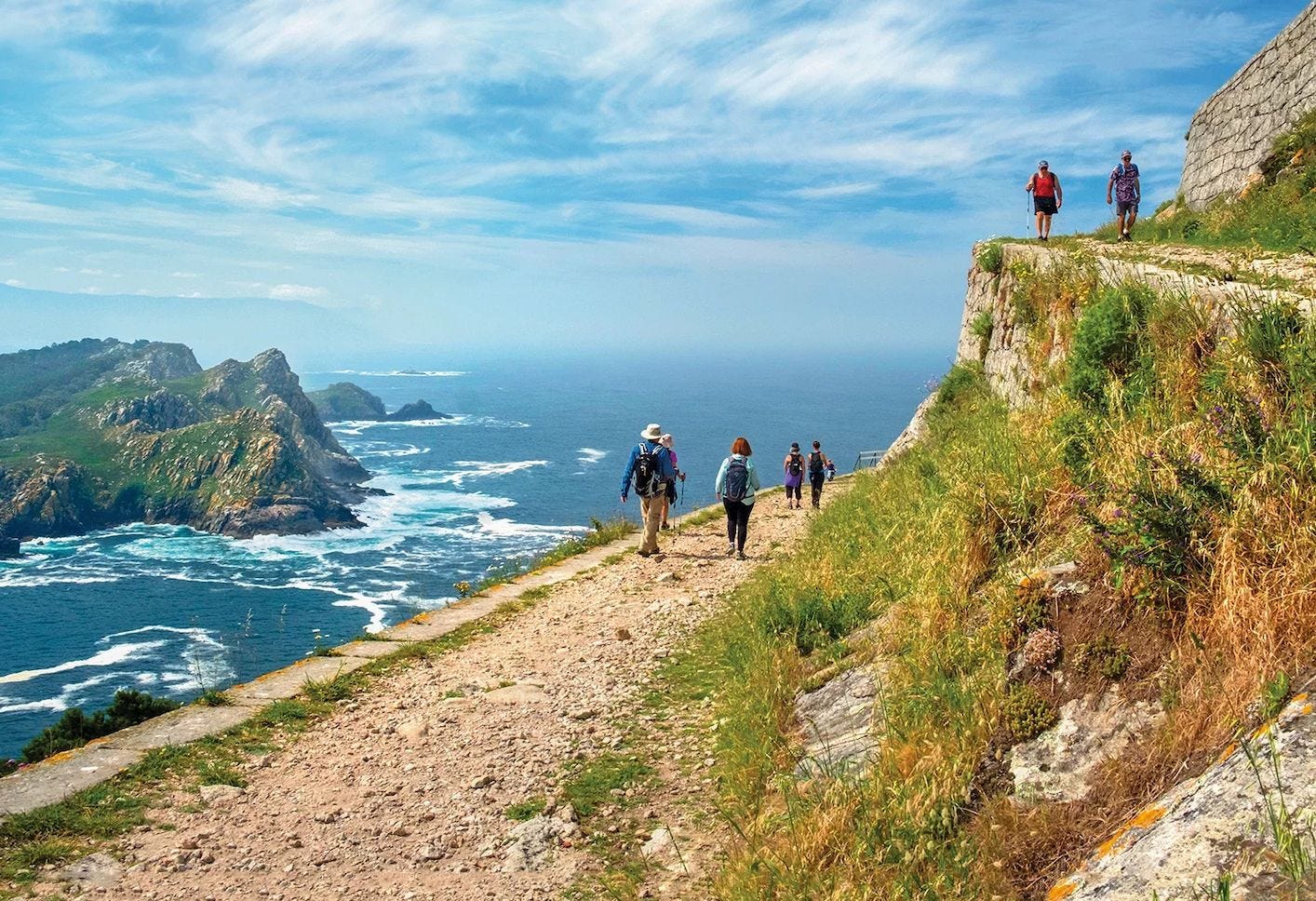
Expect cliffs, beaches, green hills and views over the Cantabrian Sea. It's also more physically demanding than many people expect, with constant ascents and descents replacing the flatter terrain found on other routes. For many experienced pilgrims, it's one of the most beautiful Caminos available.
Camino Primitivo for experienced hikers looking for a challenge
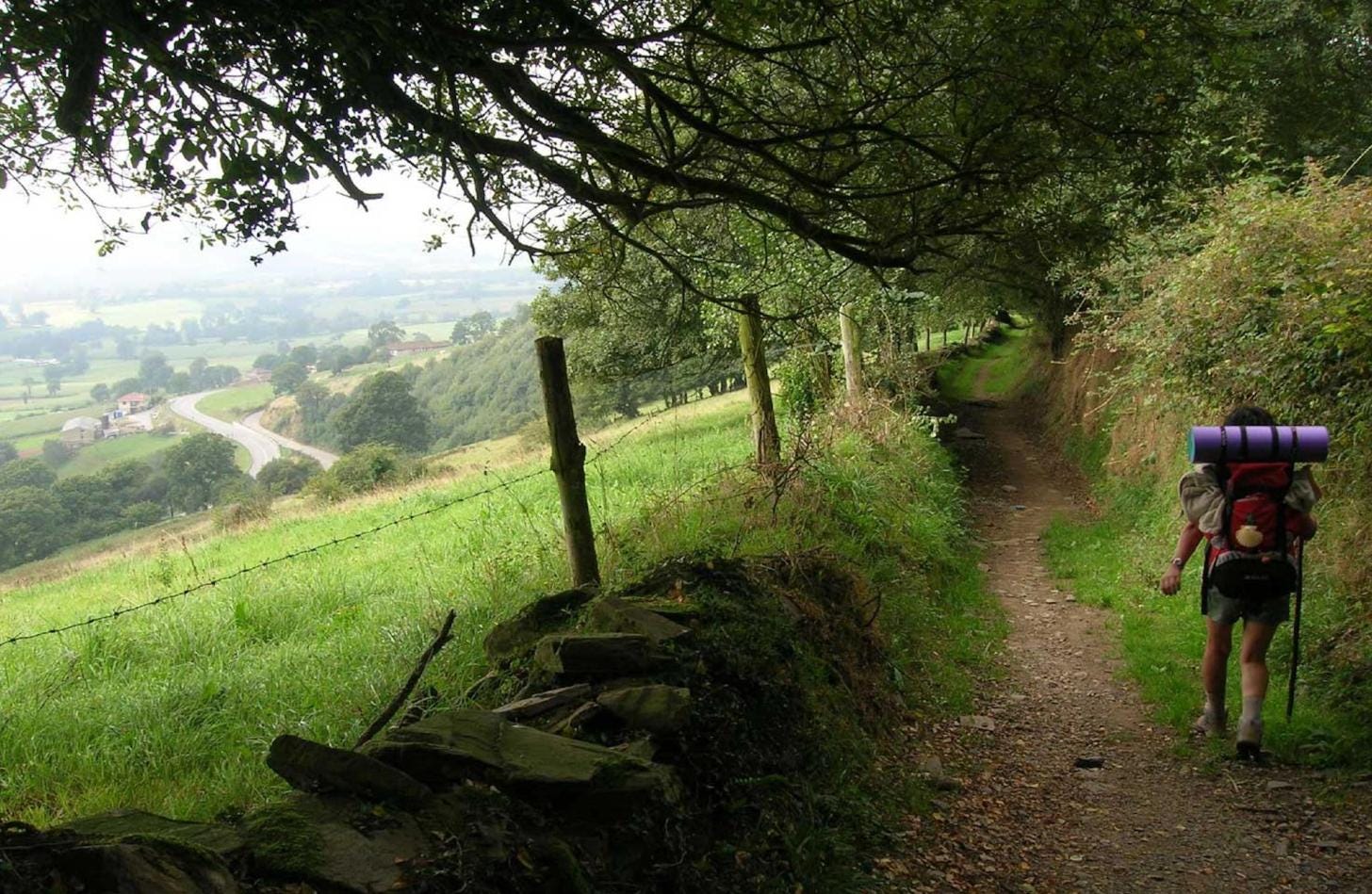
Considered the original Camino route, it crosses mountainous terrain through Asturias before joining the Camino Francés closer to Santiago. Even its name says it all: Primitivo. While the distances may be shorter than those on the French Way, the steep climbs and relentless elevation gain make it significantly more demanding.
Camino Inglés for time struggle
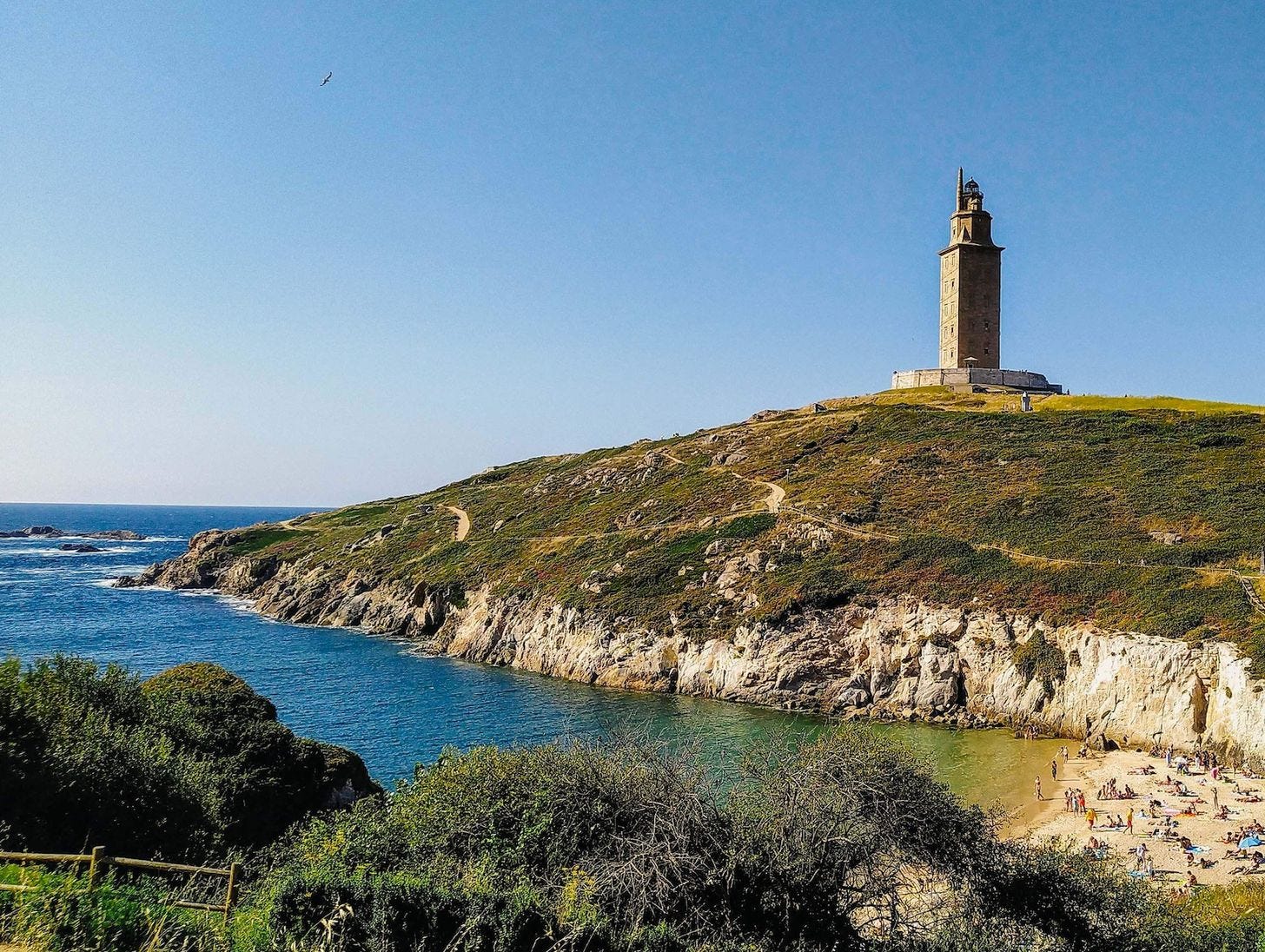
Not everyone has five or six weeks available (and we certainly wish we did). Since only 100 kilometres are required to earn the Compostela certificate, it's become a popular option for those wanting to experience the Camino within a week.
Our Recommendations
While many guidebooks suggest distances above 20 kilometres, experienced walkers often recommend 15–20 kilometres. Walking slightly less gives you time to enjoy the villages, cafés…
Timing matters too. April, May and early June offer pleasant temperatures and lively Camino communities. October remains a favourite among returning pilgrims thanks to cooler weather and quieter trails.
Apps like Buen Camino, Camino Ninja and Wise Pilgrim have become popular tools for route planning, accommodation and daily stage preparation.
To receive the official Compostela certificate in Santiago, pilgrims must walk at least 100 kilometres or cycle 200 kilometres. Along the route you'll collect stamps in a pilgrim passport known as the Credencial, documenting your journey.
Wherever your Camino takes you, good luck and enjoy the journey. From all of us at Jade Peak.
Originally published at jadepeak.com.
