

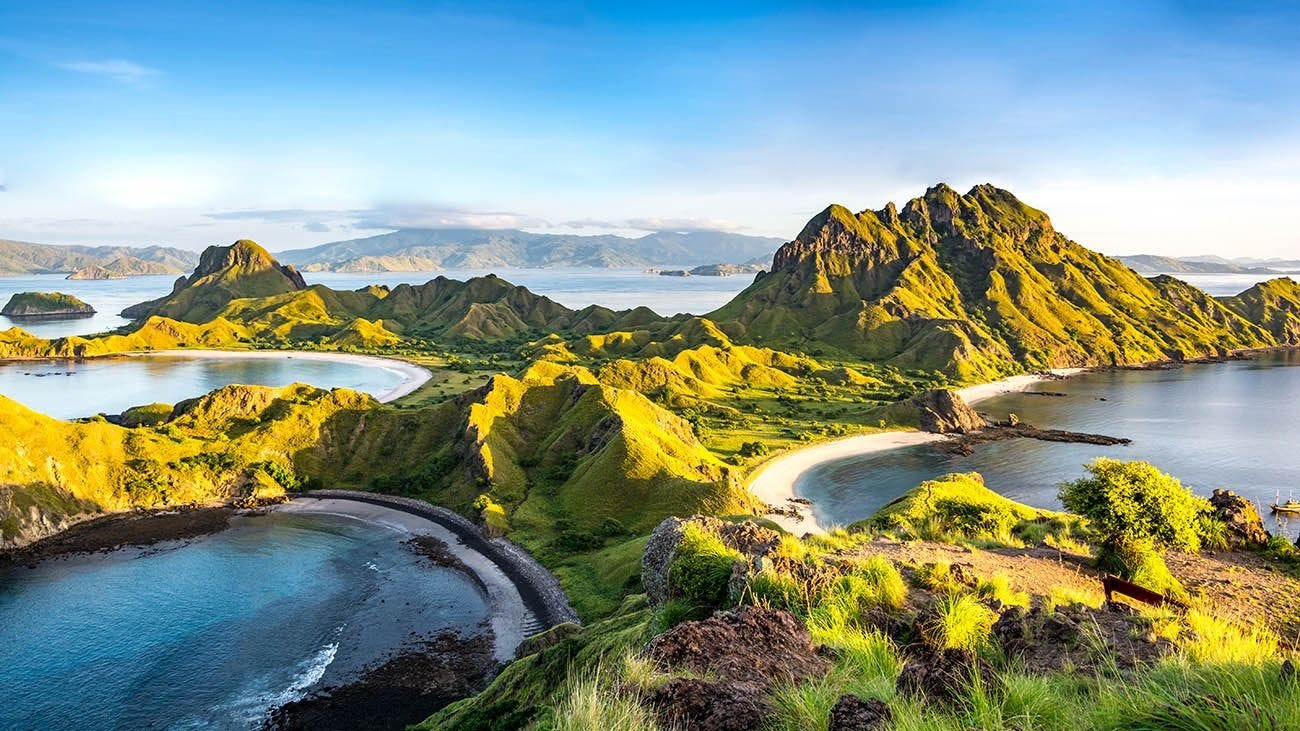
Whether you're already a diver or considering getting certified, we're here to make things easier. What many first-time visitors don't realise is that not every dive site in Komodo feels the same. While some reefs are calm and suitable for beginners, others are known for strong currents that can dramatically change the diving experience.
Labuan Bajo has become one of the world's most recognised scuba diving destinations. That's exactly why I travelled to Labuan Bajo with my fellow Jade Peak co-founder to experience Komodo's underwater world for ourselves. The small Indonesian town serves as the gateway to Komodo National Park. If seeing the famous Komodo dragons is on your bucket list, you'll likely pass through here.
Before visiting, we assumed our recently earned diving certifications would be enough preparation. Although we felt comfortable underwater, Komodo introduced us to something we had limited experience with: currents. That's why understanding the different levels of dive sites before arriving can make a huge difference to your experience. Knowing what to expect and diving with experienced, PADI-certified professionals will be helpful.
Beginner-Friendly: The Introduction to Komodo
Sebayor Kecil
Protected from the strongest currents, calm conditions, shallow reefs and excellent visibility. It's often used for refreshers, Discover Scuba experiences and first dives. Start here if you're new to scuba diving. As your confidence and experience grow, you can gradually progress.
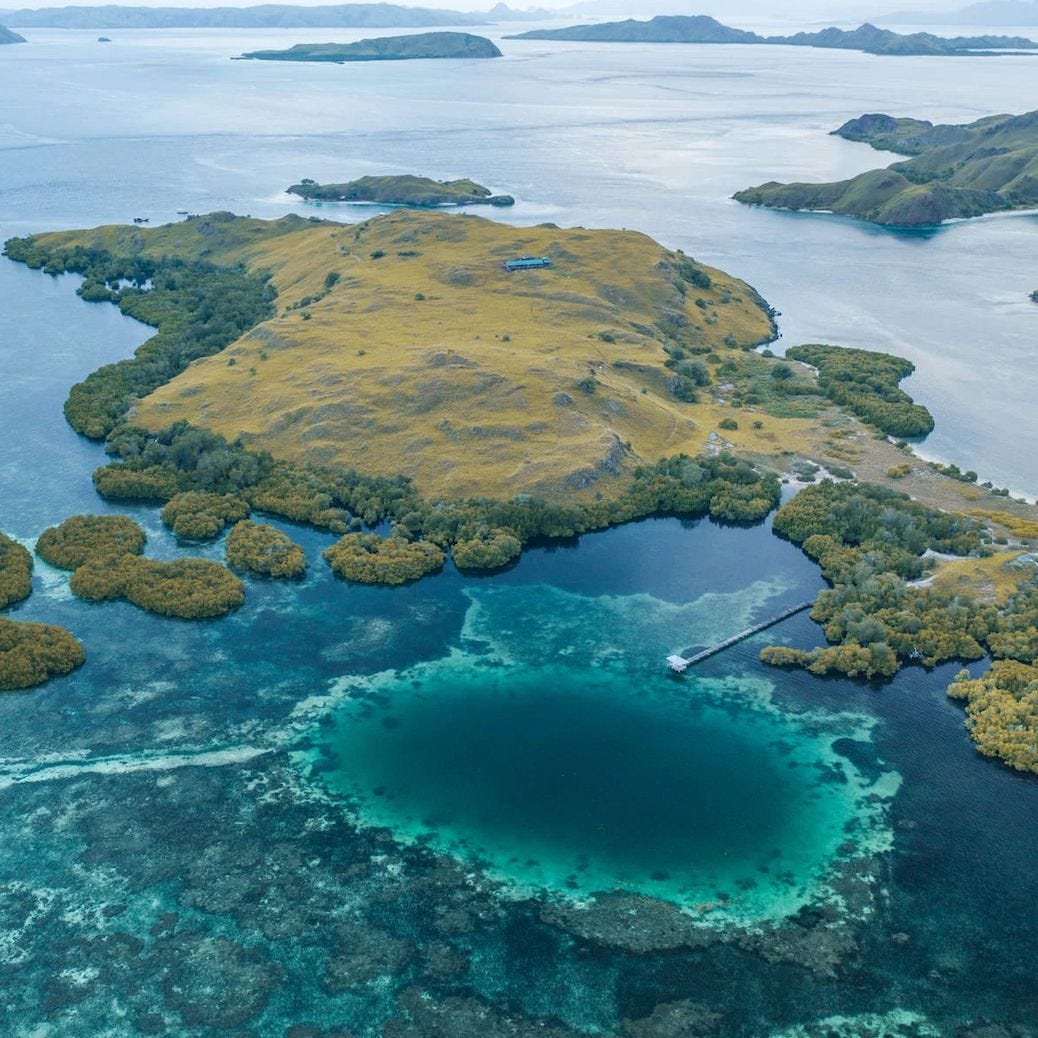
Mawan
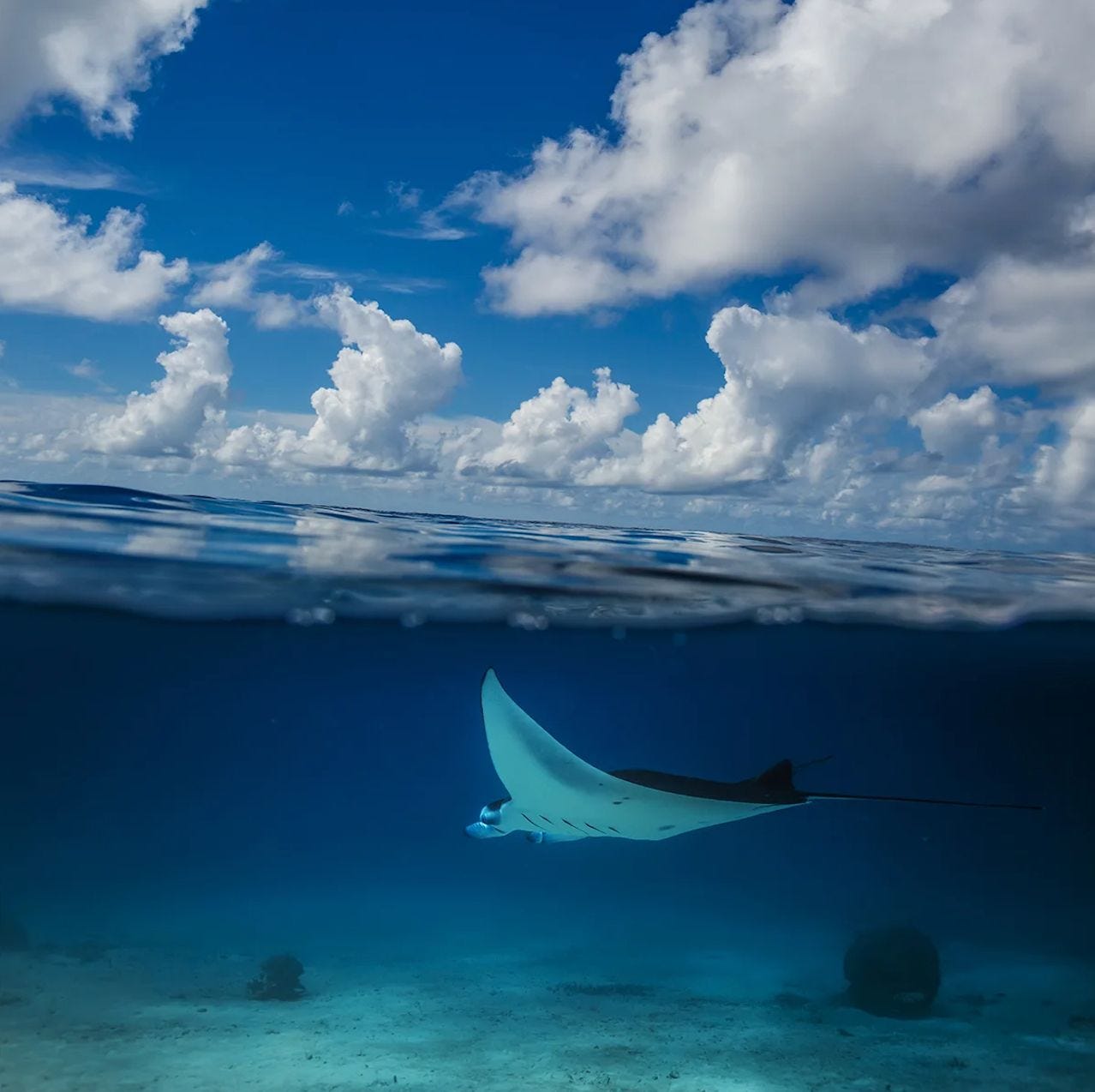
Best known for its manta cleaning stations. Conditions are usually manageable, allowing newer divers the chance to encounter manta rays without dealing with the stronger currents.
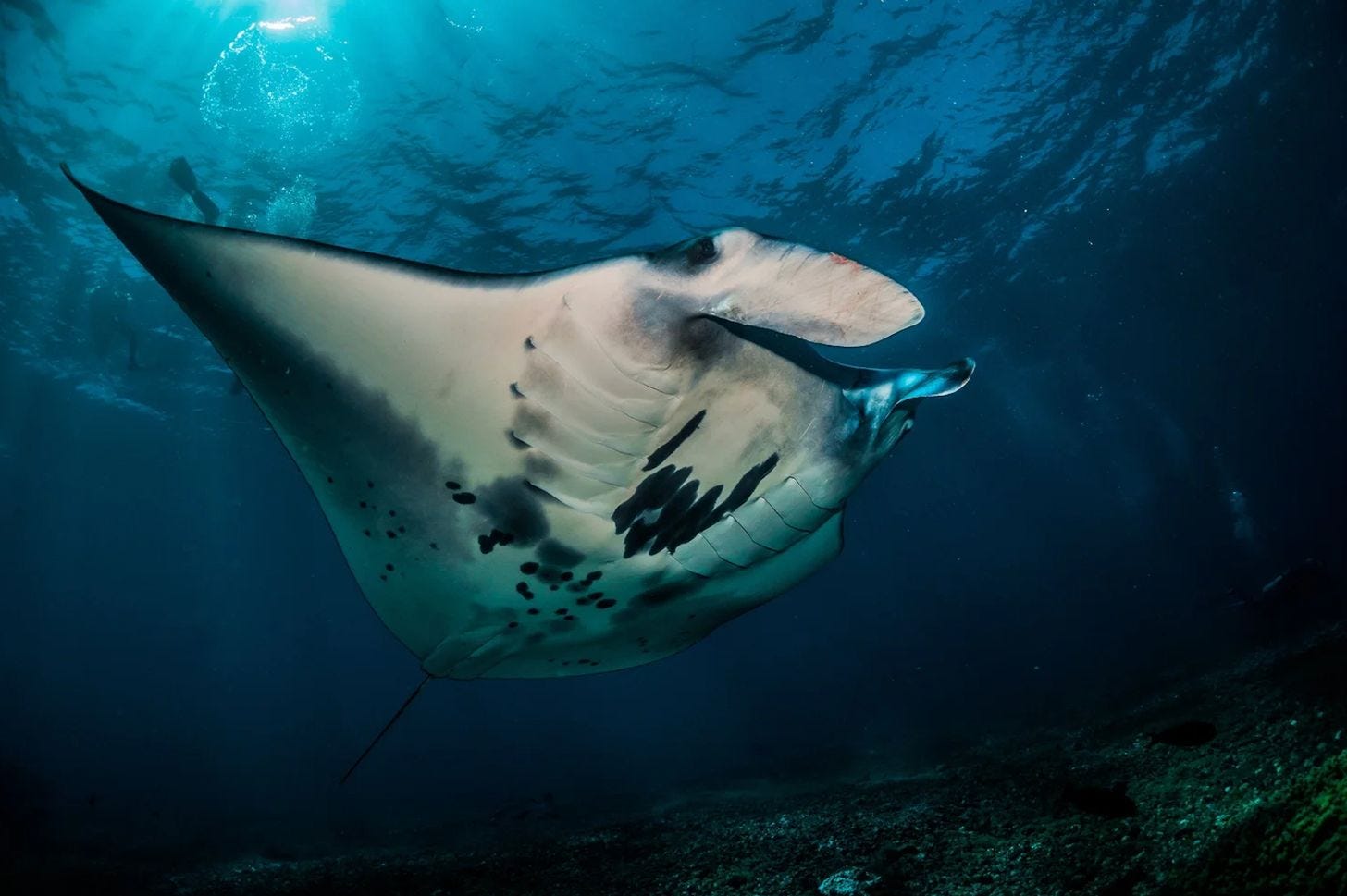
Tatawa Besar
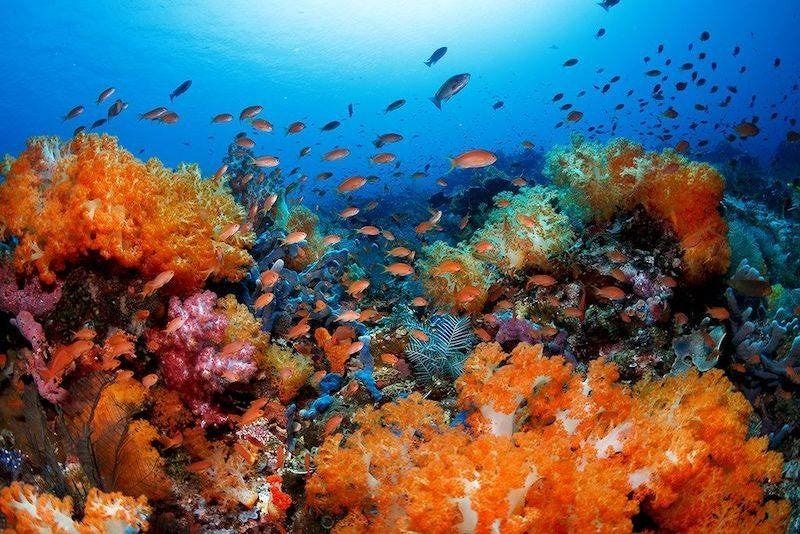
This site introduces divers to drift diving in a relatively gentle way. Rather than swimming against the current, divers can relax and allow the water to carry them across extensive coral gardens. We experienced this ourselves and absolutely loved it, but it's something you'll enjoy much more once you've gained a bit of confidence and experience in the water.
Intermediate: Where Currents Become Part of the Experience
Batu Bolong
A signature dive site, Batu Bolong is famous for its concentration of marine life. Currents can change around the pinnacle, requiring divers to pay attention to their guide.
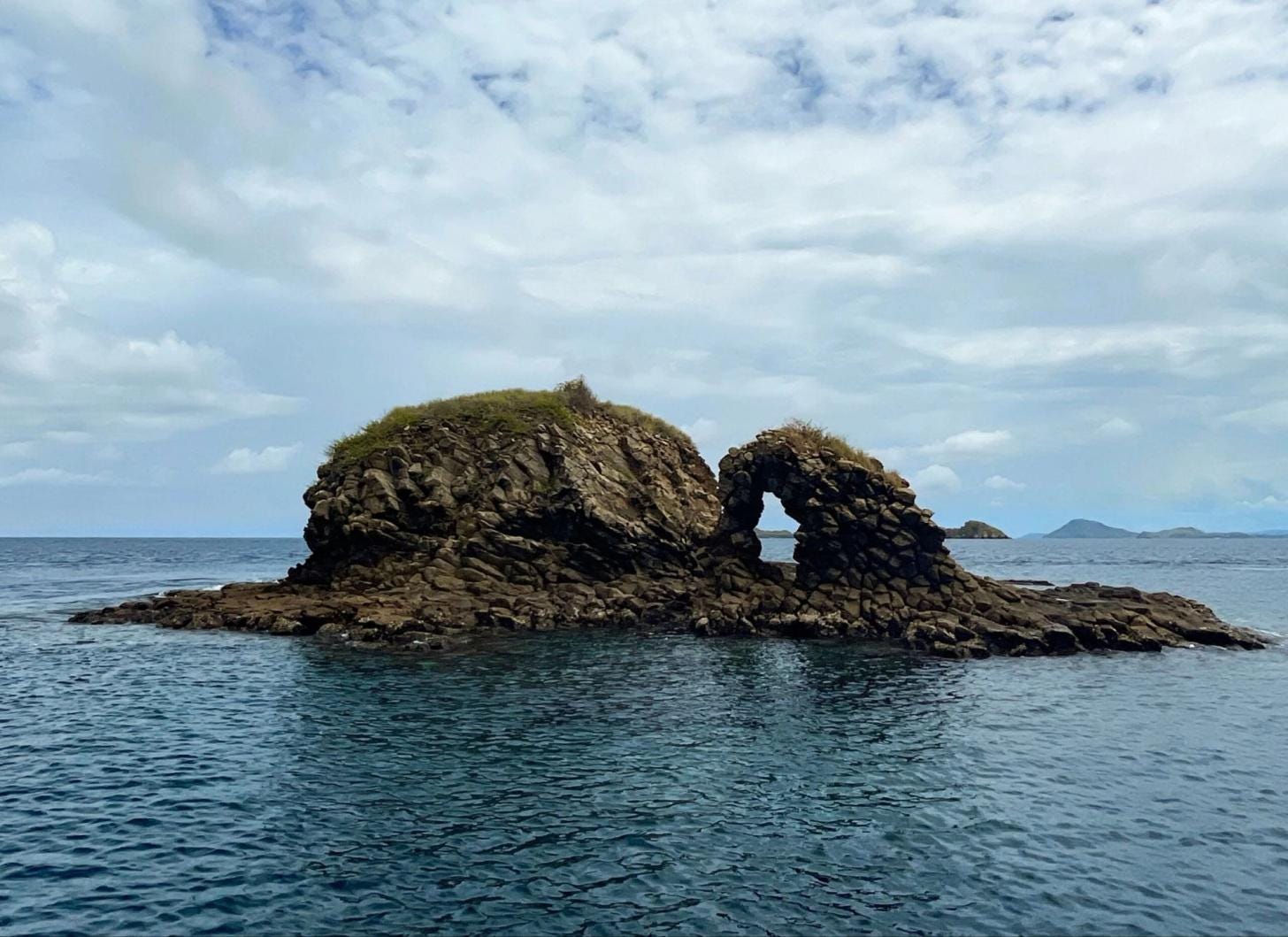
Tatawa Kecil
Combines colourful reefs with regular sightings of sharks, rays and large fishes. The drift is faster than at Tatawa Besar (beginner level), making buoyancy control more important.
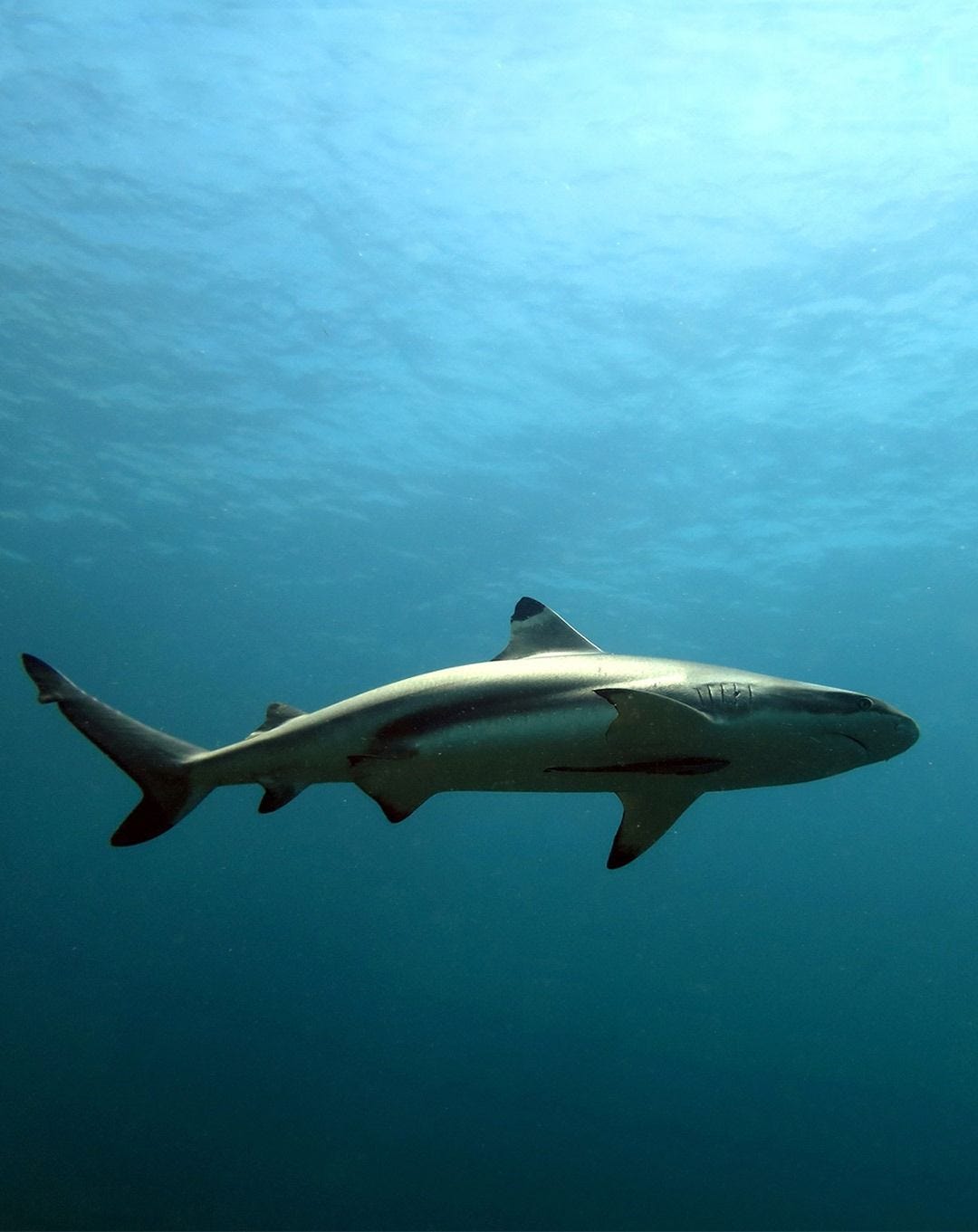
Manta Point
Watching dozens of manta rays feed in the current is one of Komodo's most memorable experiences if you are in the season for it. Conditions can be energetic, and divers often use natural shelter points while observing the action unfold.
Advanced: Why Experience Matters
The most famous sites in Komodo are often those where currents are strongest.
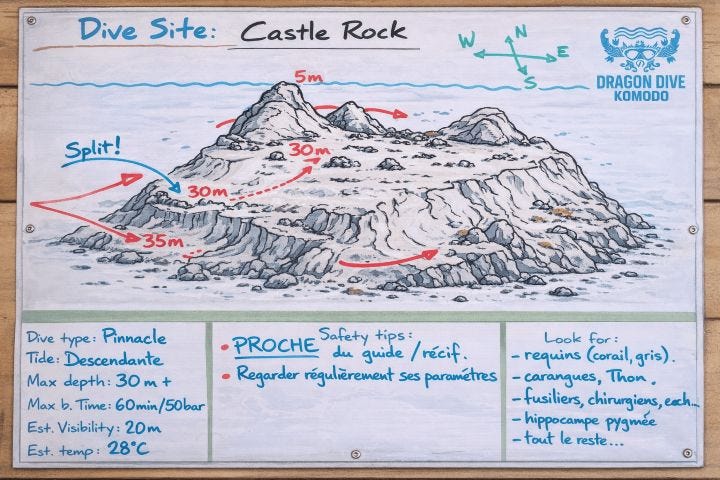
Castle Rock
Located in the northern part of the park, Castle Rock attracts sharks, giant trevally and other pelagic species thanks to its exposure to open-ocean currents. Conditions can change quickly.So don't let your guard down.
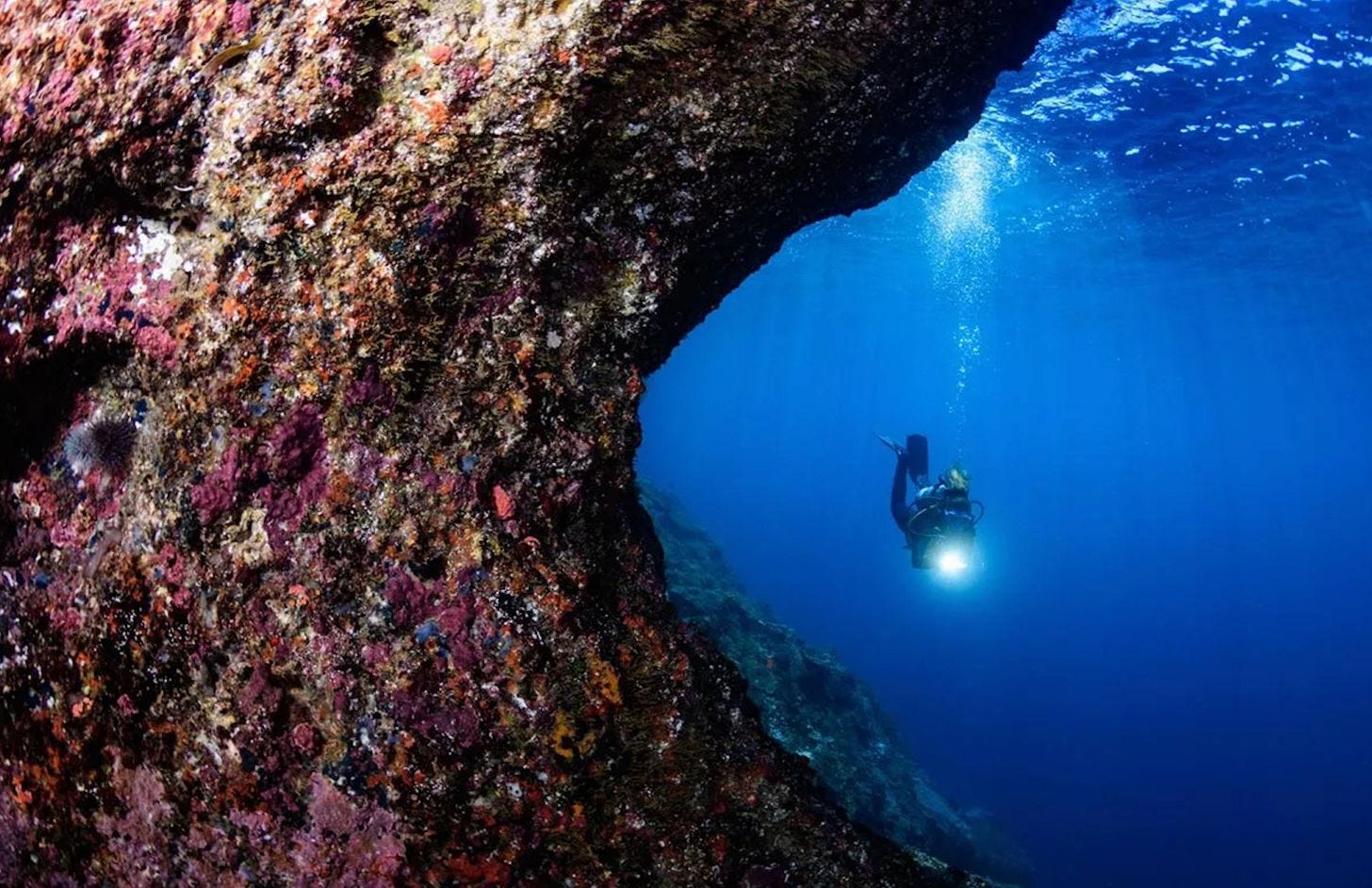
The Cauldron
Nicknamed "The Shotgun", this site features a narrow channel where water accelerates between sections of the park. Divers are carried through the passage before emerging into calmer water. It's one of Komodo's most famous dives for this reason.
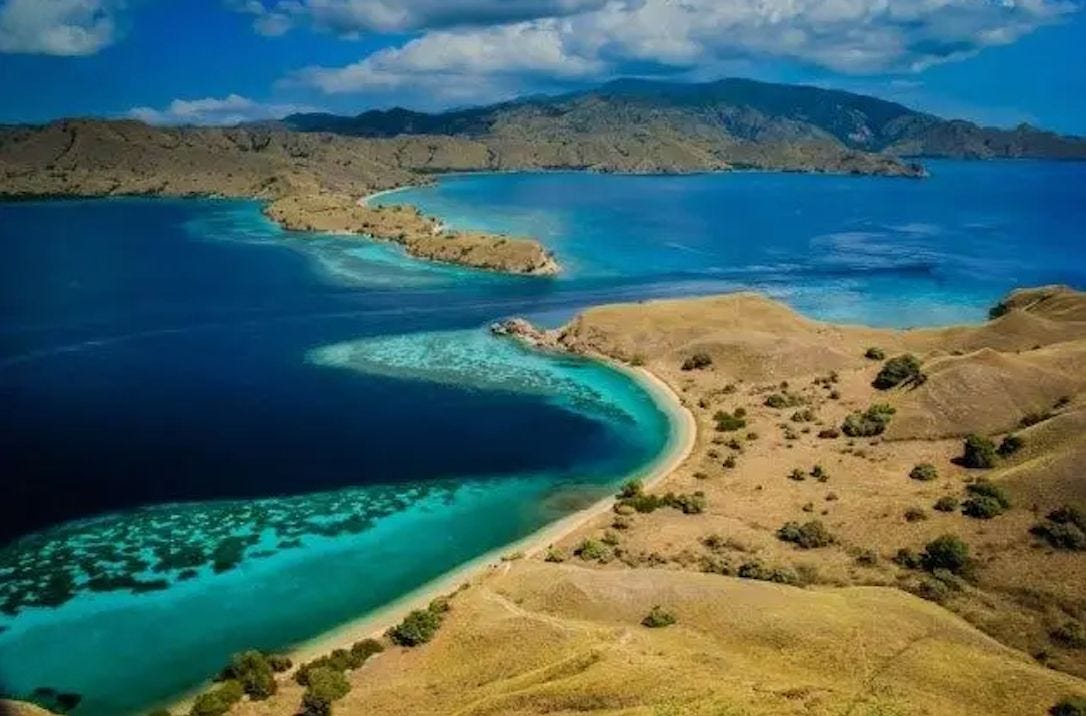
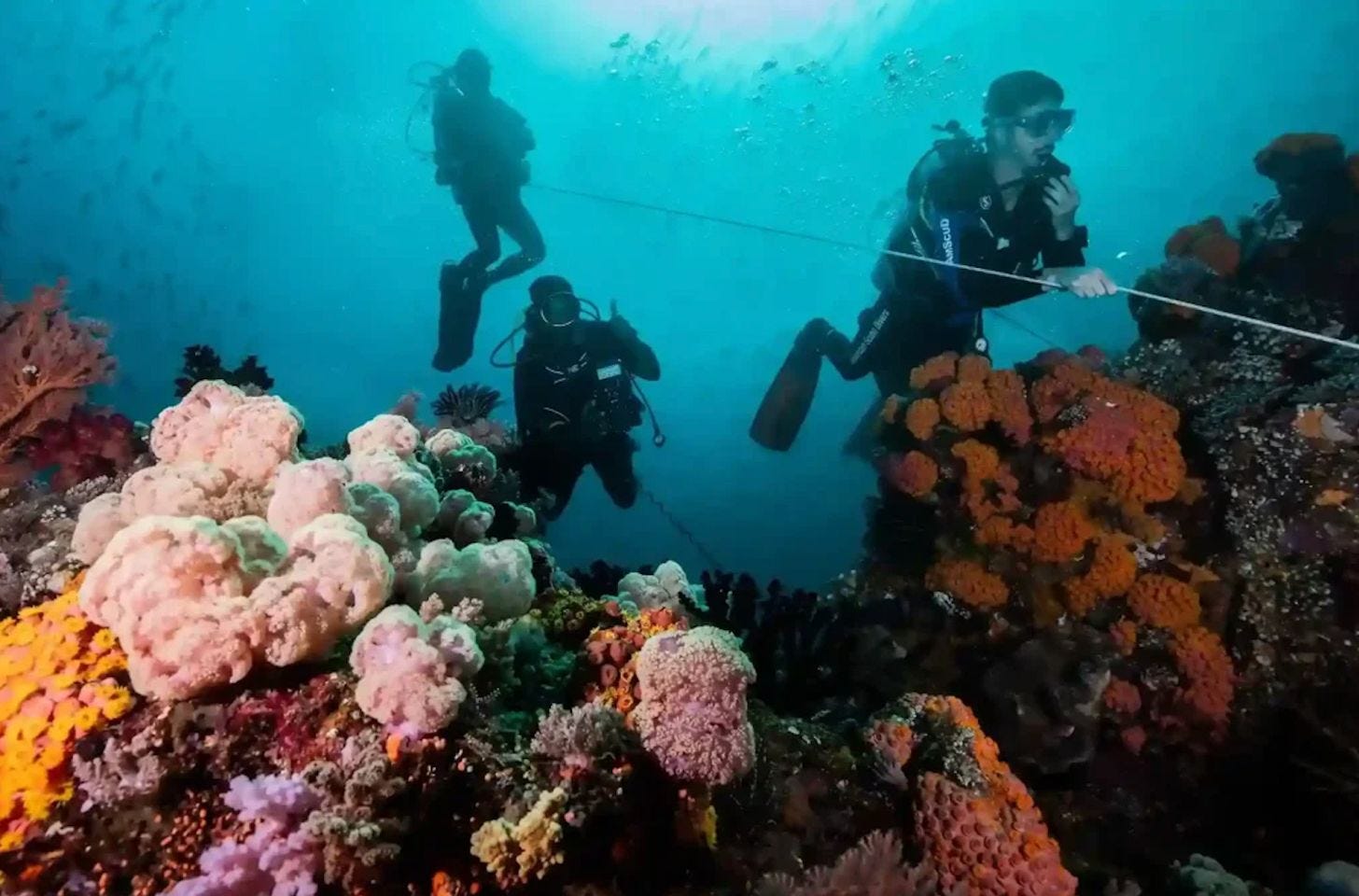
Yellow Wall
Beautiful but demanding, colourful soft corals and occasionally unpredictable currents. Advanced divers are often rewarded with spectacular visibility and dramatic underwater scenery.
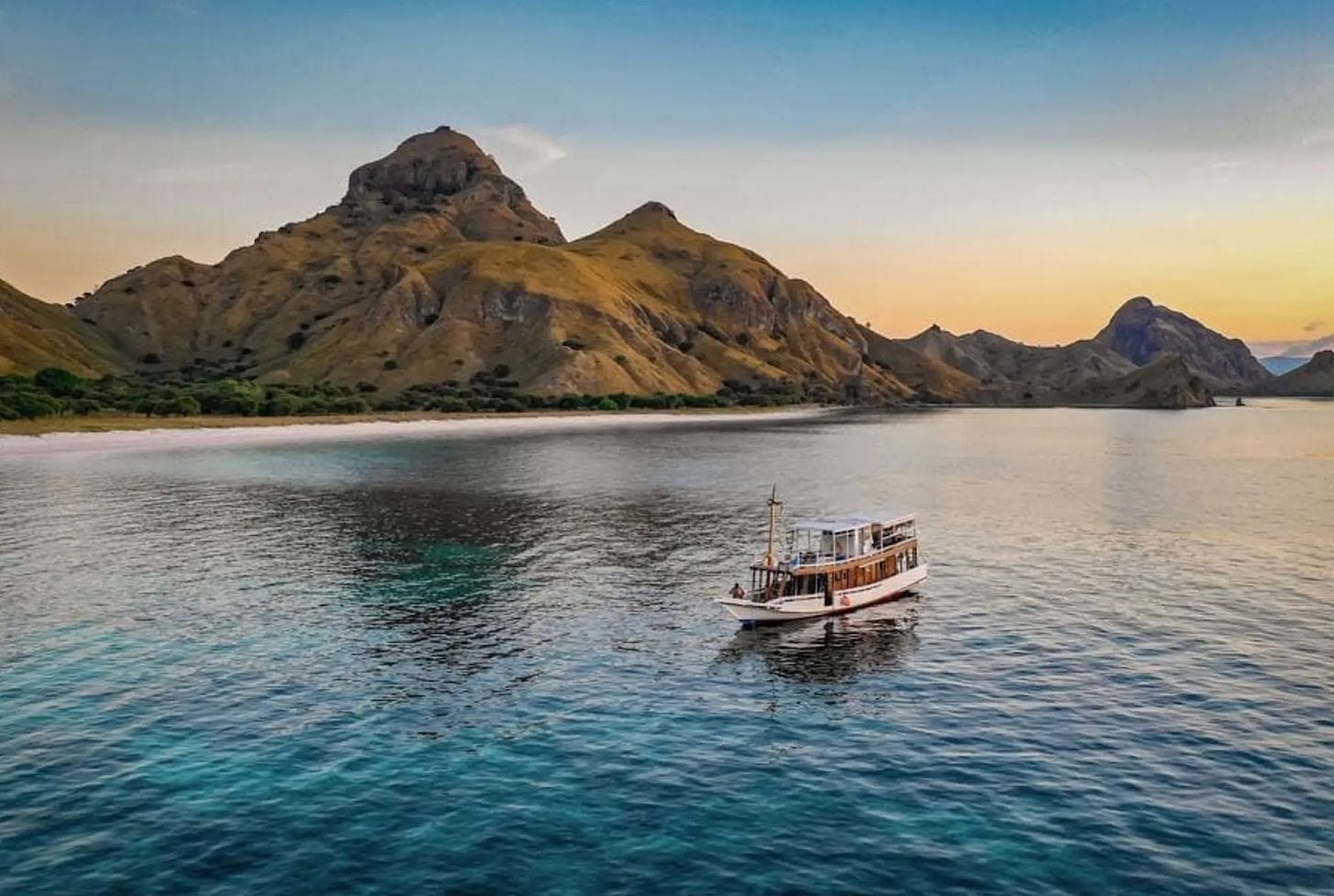
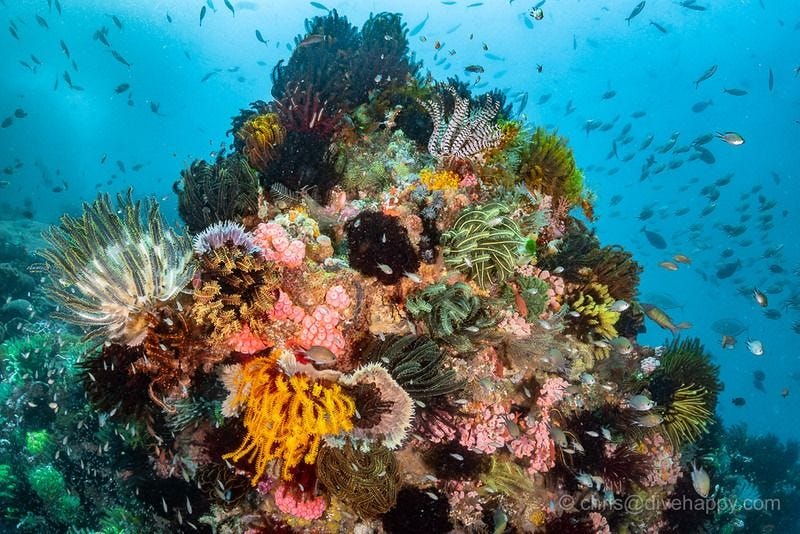
The biggest takeaway from our time in Komodo was about preparation. Even as relatively new divers, we were able to enjoy sites that initially seemed intimidating because we dived with experienced local professionals who understood the conditions better than anyone else. One of the things we appreciated most was how the dive professionals explained the conditions each day. They helped us understand the currents, the different areas of the park and why certain dive sites were chosen over others depending on weather, tides and water movement.
Originally published at jadepeak.com.
