

Disclosure
Jade Peak writes about places, experiences, and the people behind them, so hotels, operators, and companies come up often. We have no financial relationship with any entity named in this article. If that ever changes, we'll say so plainly, right here at the top.
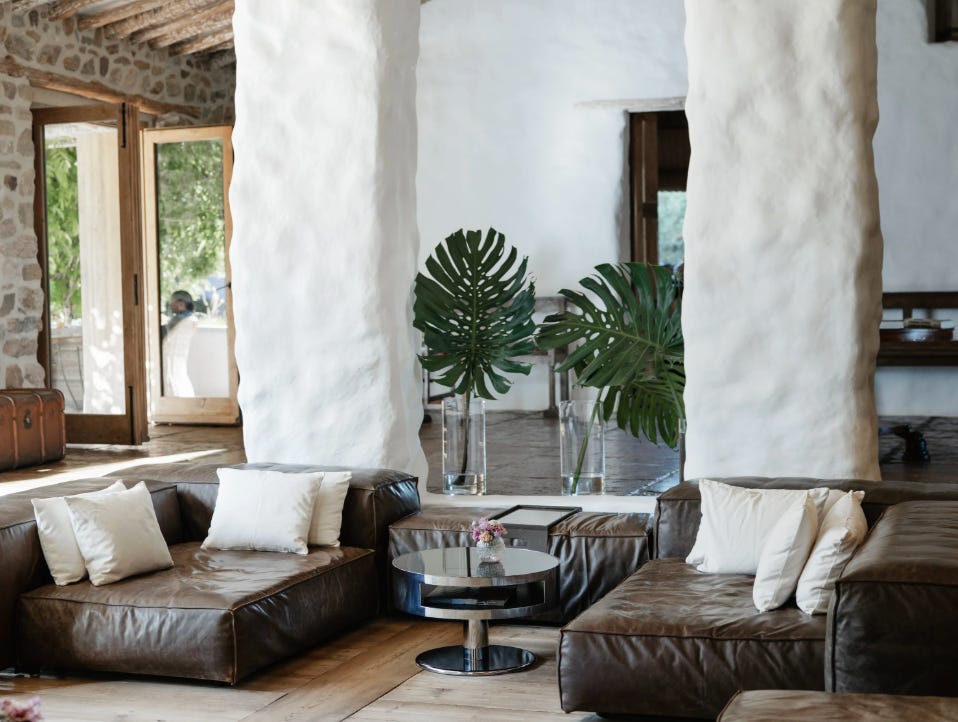
At Jade Peak, one thing we have never really understood is why luxury became associated with massive hotels full of conference rooms, hundreds of identical guests wandering around, and lobbies so large they feel more like airports than places you actually want to spend time in. Somewhere along the way, luxury became bigger, louder and strangely disconnected at least from us.
This type of eco farm luxury feels different. And we are starting to see it appear in more and more countries.The idea for this article actually came after staying at an eco-farm hotel in Laos. It was one of those places where the vegetables came from the garden and lord they were good. It sent us down a rabbit hole exploring how farms, agriculture and hospitality are increasingly coming together.
The Rise of the Farm Hotel
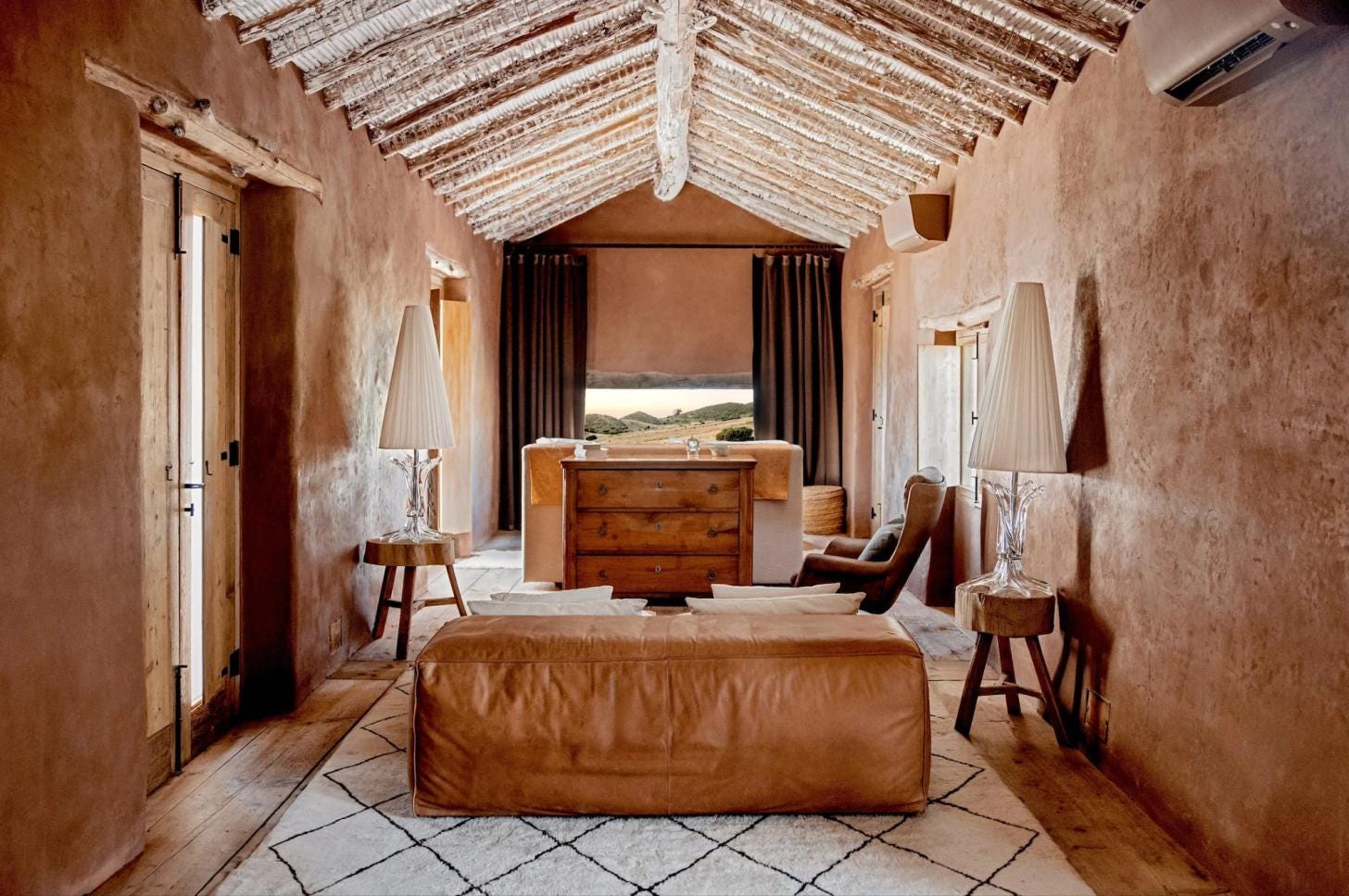
One example close to us in Spain is La Donaira, hidden in the hills of Andalucia near Ronda.
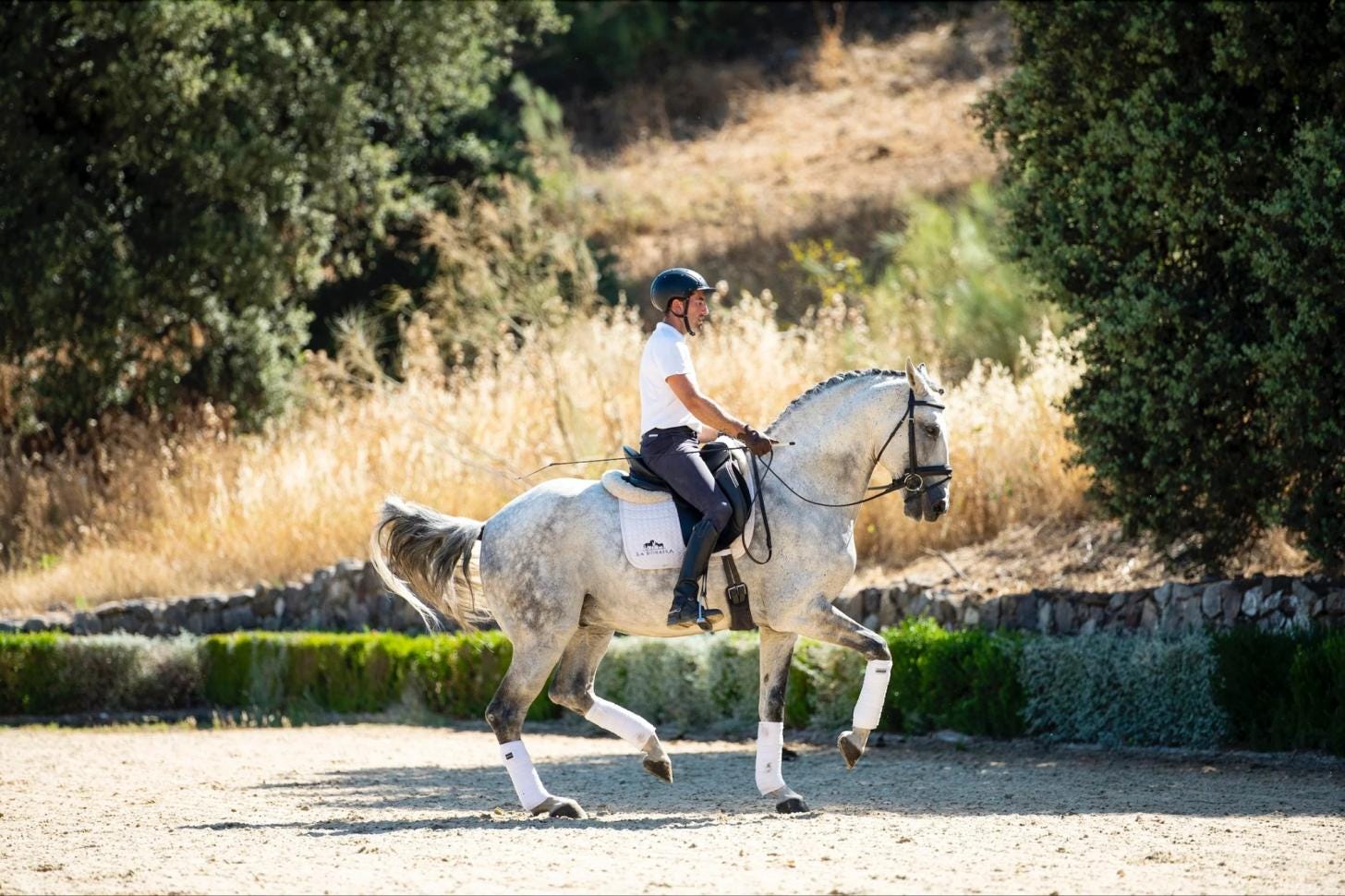
At first looks like the type of property that belongs on a Pinterest board dedicated to escaping modern life and your boss in particular. Rolling hills, horses wandering through pastures, organic gardens…
However Donaira is not simply using farming as a marketing exercise. The farm itself is the project.
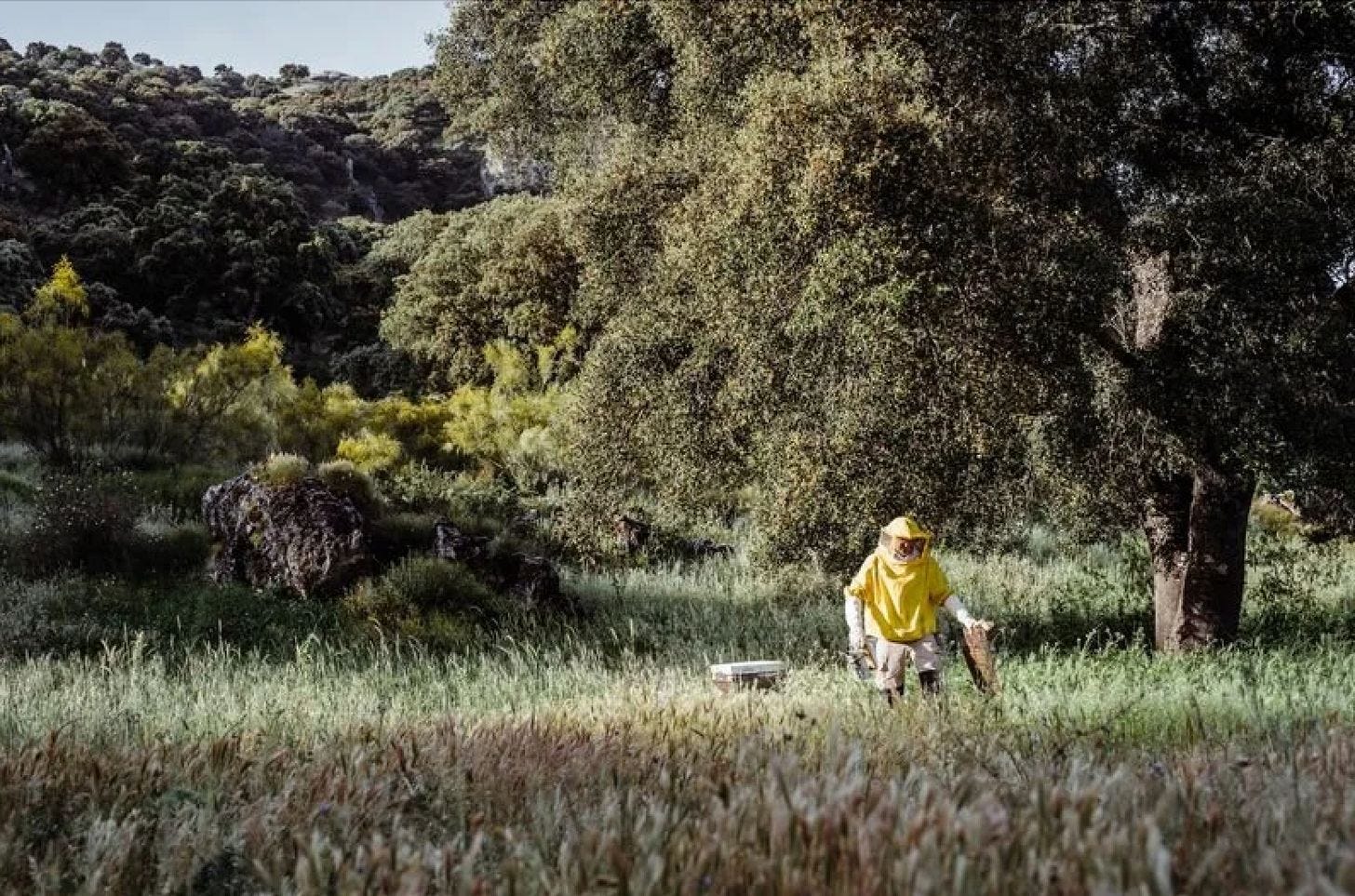
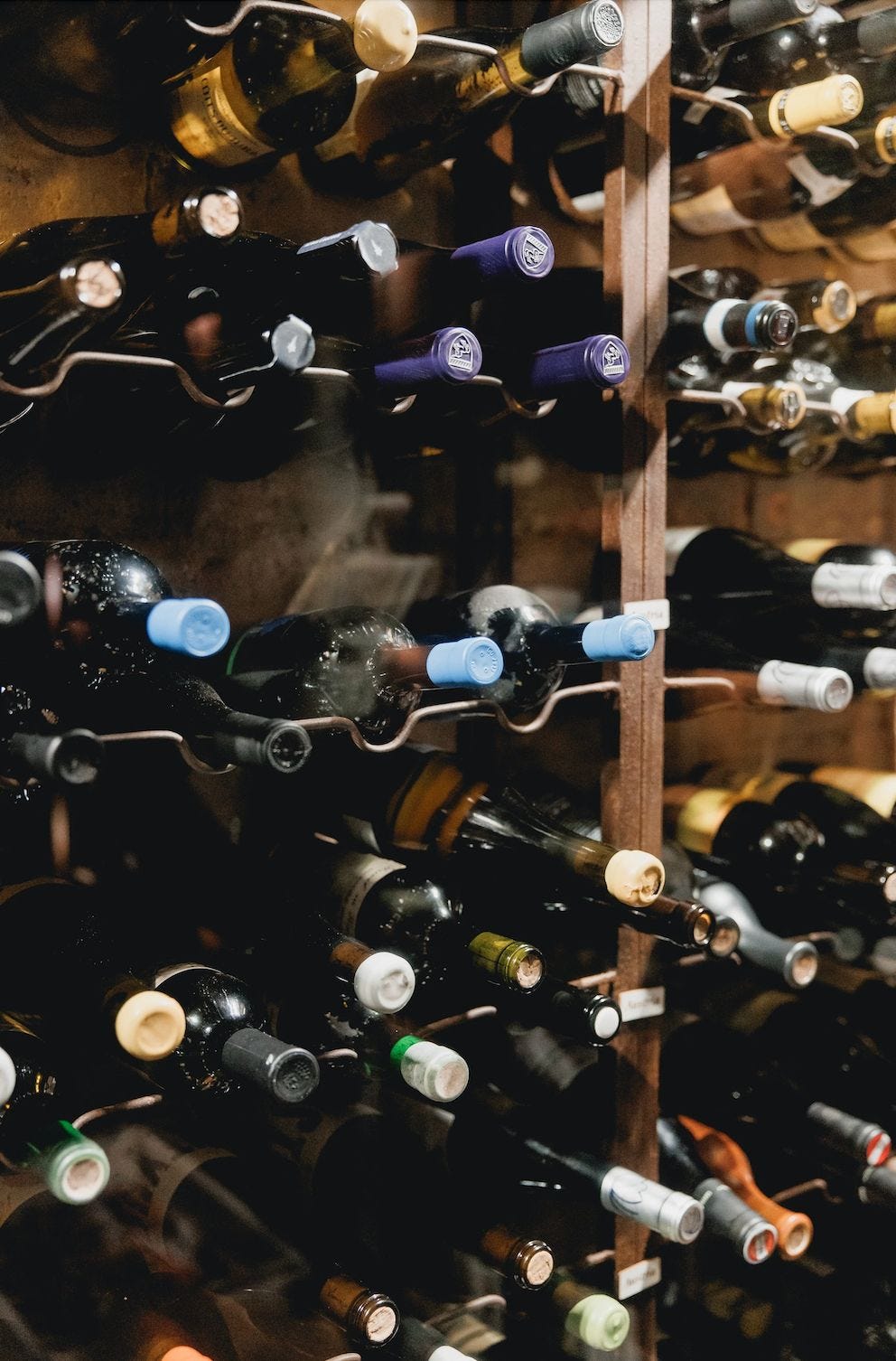
The estate follows regenerative and biodynamic farming principles. Bees, sheep, goats, cattle, Lusitano horses and endangered native species all play a role in a system designed to improve the land. Even there is wine that follows the same philosophy. The vineyards focus on soil health, biodiversity and adapting traditional viticulture to a changing climate.
When "Organic" Stops Being a Marketing Word
The funny thing is that most of us see words like organic, farm-grown, sustainable almost every day. They are printed on supermarket packaging so often that they start to lose meaning. But do we actually know what they involve? Honestly, I learn a lot by spending time at an eco-farm in Laos.
Before that, sustainable farming sounded relatively straightforward. Grow things naturally, avoid chemicals, and everyone goes home happy. The reality is considerably more complicated.I remember learning that they maintained their own worm farms because healthy soil does not happen by accident. The worms help create nutrient-rich compost that improves fertility naturally. They produced their own fertilisers. They constantly monitored water use. Every part of the system seemed connected to something else.
What surprised me most was how much extra work was involved.Modern agriculture became industrial for a reason: it is efficient. Building a farm that works with nature rather than forcing it is often slower, more complicated and requires far more attention to detail.
Which is why places like La Donaira became more interesting to us once we understood what sits behind the marketing language.
Because suddenly "organic" stops being a label. There are thousands of small decisions happening every day, most of which guests will never see.
Why we Care
For years hospitality competed by getting bigger. Bigger resorts. Bigger spas. Bigger breakfast buffets. Now we are looking for the opposite. Because another luxury hotel is easy to forget. A farm with vineyards, horses, beehives and people genuinely obsessed with the quality of the soil is not.
Maybe that is why eco farms are becoming one of the most interesting trends in hospitality today.
This is not a sponsored piece. We chose to write about it simply because we found it interesting and thought it was worth sharing with our readers.
Originally published at jadepeak.com.
