

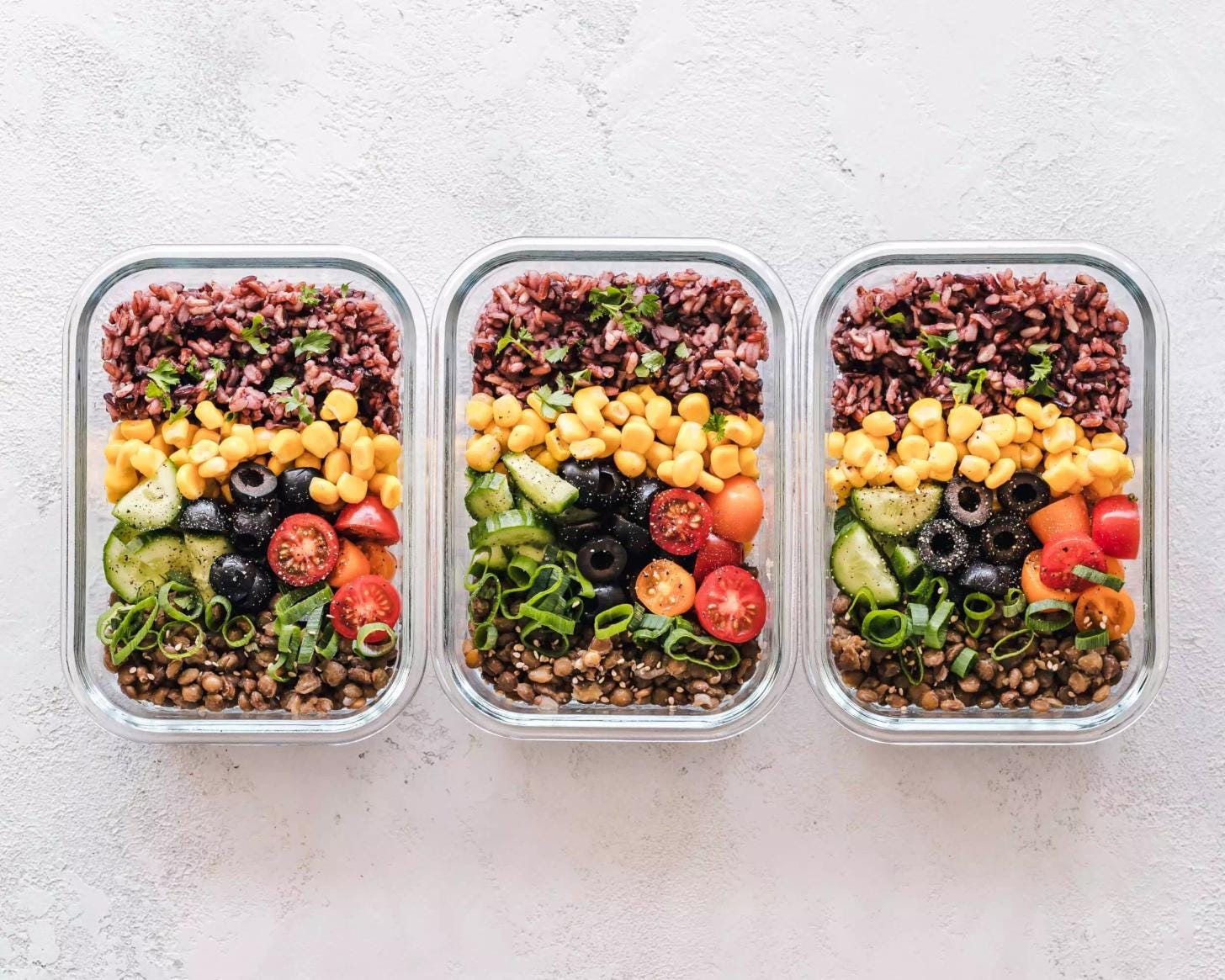
Fueling isn’t just for elite athletes. If you’re someone with fitness goals, training regularly, and feeling like something in your routine isn’t quite working, this is exactly why we wrote this article. If you fall into this category, you’ll probably find it relevant.
After reading a lot about “fueling” in podcasts and sports science articles, it starts to feel like this is the new version of diet culture but in a much more useful and friendly way…thank god…You need energy for what you do, and that’s something most people eventually learn the hard way.
One of the key ideas in sports nutrition research is actually very simple: what you eat, when you eat it, and how much you eat directly affects performance and recovery. When training demands are high, not eating enough can impact more than just energy levels, increasing fatigue, slow down recovery, and in some cases raise the risk of injury, while affecting focus and consistency. If this has made you feel like a potato (or even mashed potatoes), don’t worry we’ll explain it to you.

That said, this is never about encouraging under-eating. Most of our readers are already active and health-conscious, and the goal is not to eat less, but to eat smart and make sure the body is properly supported for what you’re asking it to do. From our side, this topic also feels particularly relevant because we spend a lot of time doing sport and outdoor activities that require sustained high output and full physical engagement. Research in sports nutrition highlights that combining carbohydrates and protein after exercise especially within the first hour can help support muscle recovery and replenish energy stores more efficiently.
But fueling isn’t just about post-workout recovery. It’s also about consistency around training sessions. From what we’ve seen, consistency is really the key here. Eating enough before exercise helps maintain energy, while proper hydration supports performance and concentration. Small adjustments in timing and composition can make a noticeable difference over time so don’t forget your water bottle, and try to have something to eat before a tough training session.
We saw an article of the University of Maryland’s sports nutrition, which outlines how macronutrient availability directly influences energy metabolism, recovery processes, and musculoskeletal resilience. In conclusion, what we took from this article was that maintaining adequate energy availability in the training cycles is for optimizing recovery, adaptation, and injury risk reduction.
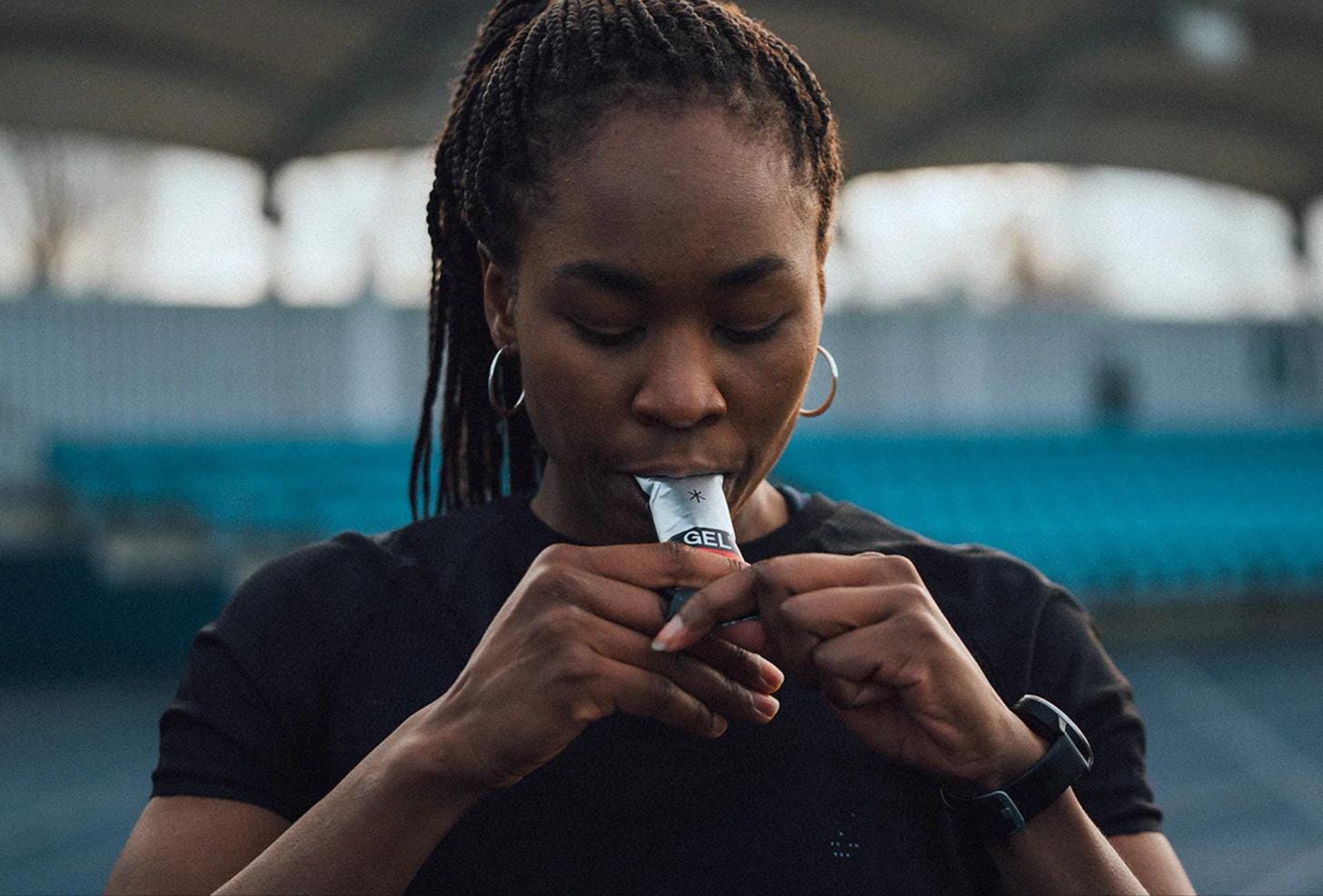
What stands out in the research is that there is no one-size-fits-all approach. The world would be much easier if it were that simple. Every athlete or fitness person has different needs depending on training load, lifestyle, and goals. At Jade Peak, we’ve noticed this even between the two of us as co-founders: we can follow the same routine and respond to it in completely different ways, especially when it comes to fueling.
This is why personalized nutrition, often guided by sports dietitians, is becoming more relevant. Fueling isn’t just for elite athletes If you’re someone with fitness pursuit getting guidance from a professional can make a real difference. That, more than anything, is what the research keeps pointing to. Fueling for performance is about support and It reframes food as something that helps you in your journey. It is not just about the gels you take during a race or a quick intake of carbohydrates mid-session. At Jade Peak, we see this shift as part of a bigger change in how people think about health.
Resources: Healthier tomorrows, Fueling for Performance from the National library of medicine
Originally published at jadepeak.com.
