

Disclosure
Jade Peak writes about places, experiences, and the people behind them, so hotels, operators, and companies come up often. We have no financial relationship with any entity named in this article. If that ever changes, we'll say so plainly, right here at the top.
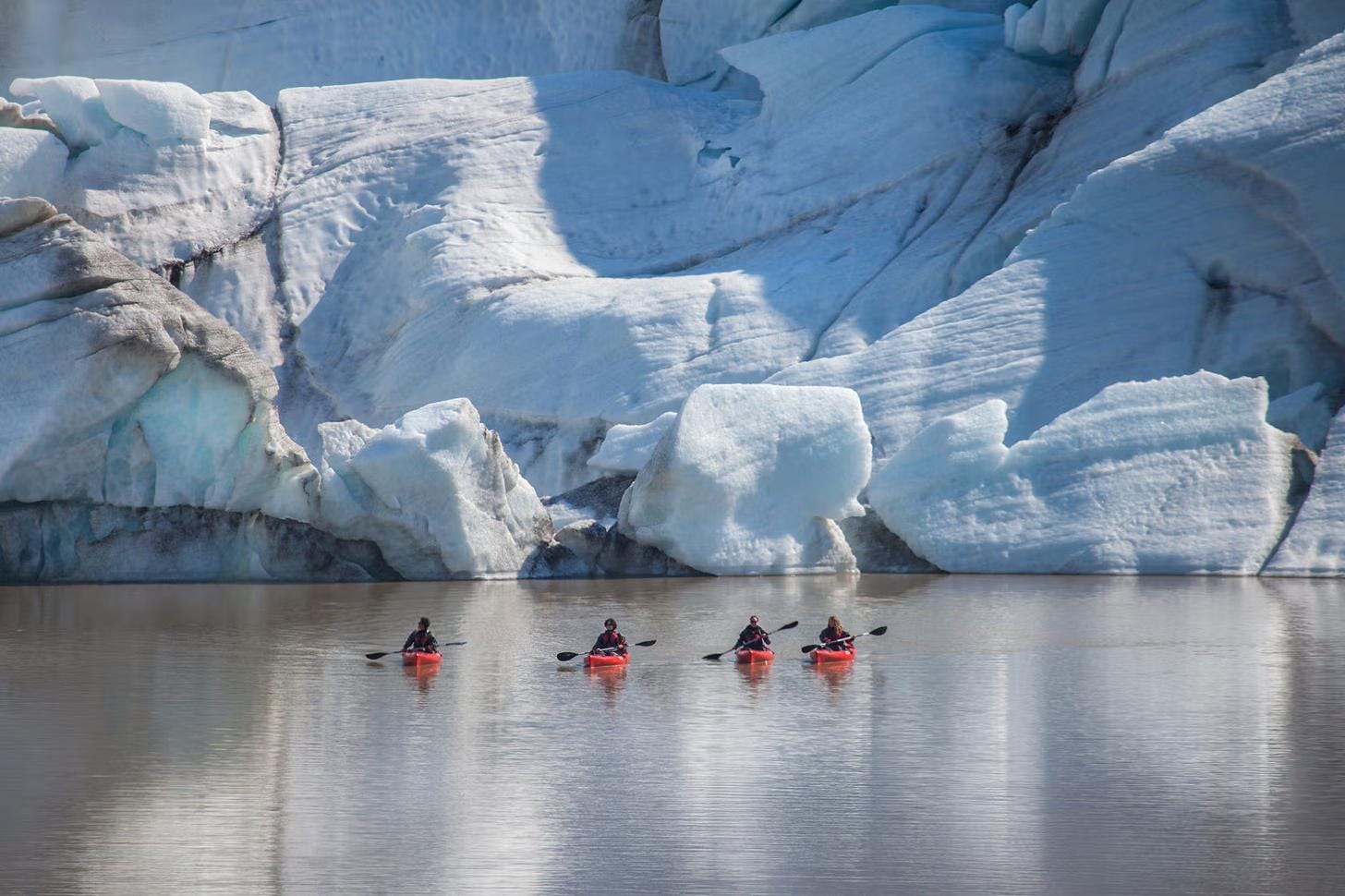
Paddling through a glacier lagoon is one of Iceland's most extraordinary adventures. In the Vatnajökull region, you'll glide among floating icebergs. At Jade Peak, we're here to help you make the most of every journey. This guide covers where to go, when to visit, what to bring, and everything you need to know before starting.
Where to Go
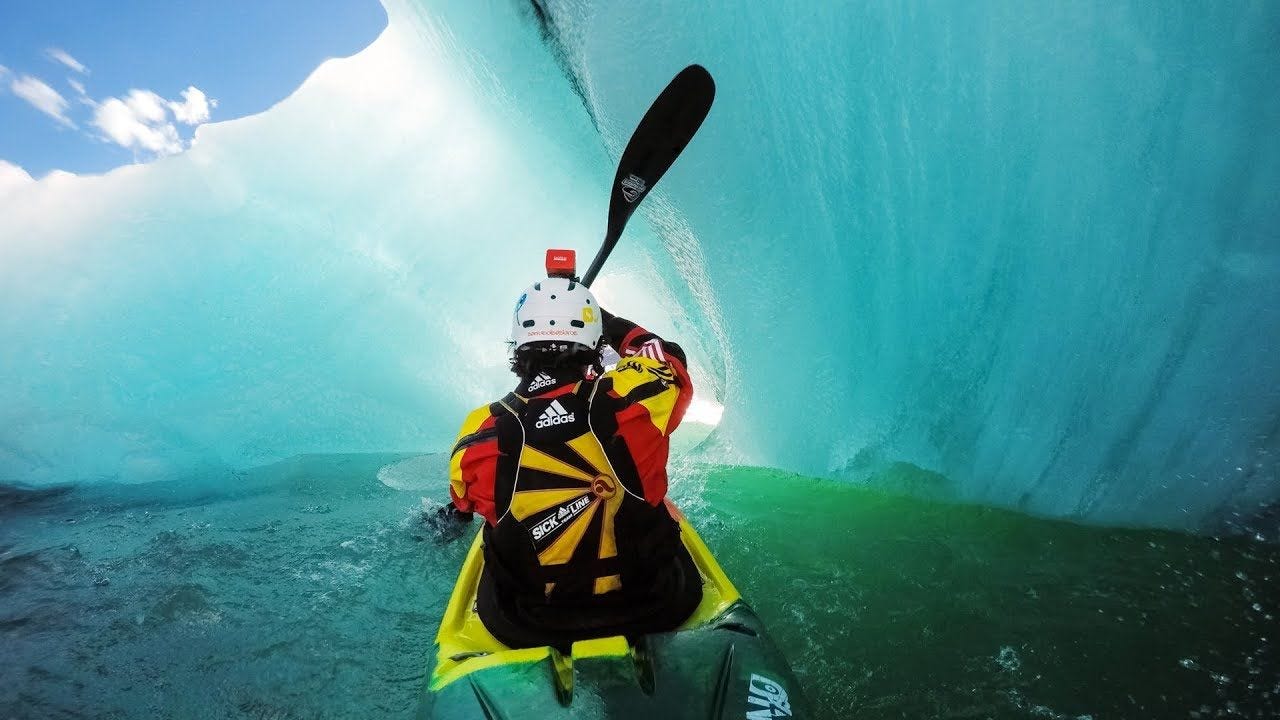
The Vatnajökull region is home to five main glacier lagoons: Jökulsárlón, Fjallsárlón, Heinabergslón, Breiðárlón and Hoffellslón.
Jökulsárlón, located along Iceland's Ring Road, is the country's most famous glacier lagoon. Its enormous floating icebergs, resident seals and nearby Diamond Beach attract visitors from around the world. While boat tours are common here, kayaking is more limited and only available during certain periods of the year.
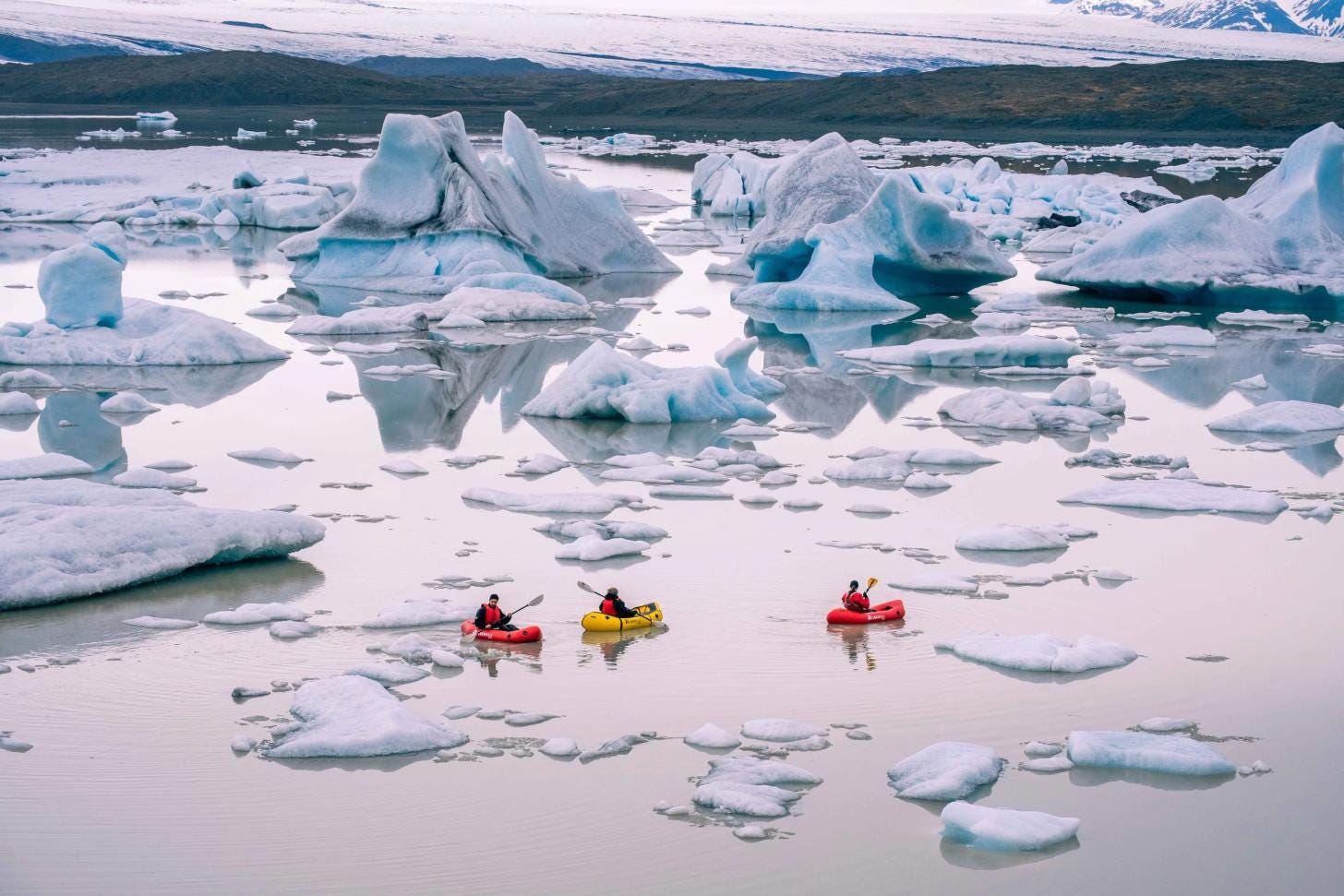
For a quieter and more intimate experience, many travellers choose the smaller lagoons. Fjallsárlón, at the foot of Fjallsjökull Glacier, offers peaceful waters surrounded by towering ice formations, allowing kayakers to experience the landscape without the crowds.
Best Time to Visit
The glacier kayaking season generally runs from May to October, although exact opening dates vary between lagoons and operators.
Summer offers the best conditions, with mild temperatures and Iceland's famous long daylight hours providing more opportunities to explore the lagoons. Many of the eastern lagoons operate from mid-May through mid-October, while some shorter excursions are only available during the peak summer months.
Who Can Join?
No previous kayaking experience is required. All trips are led by experienced guides who provide instruction before heading onto the water.
Minimum age requirements vary depending on the operator and are generally not flexible. Families travelling with children should also check whether appropriately sized drysuits are available before booking.
What to Bring
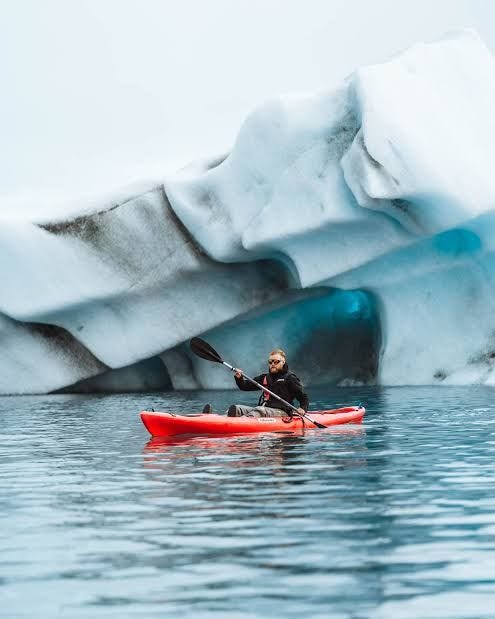
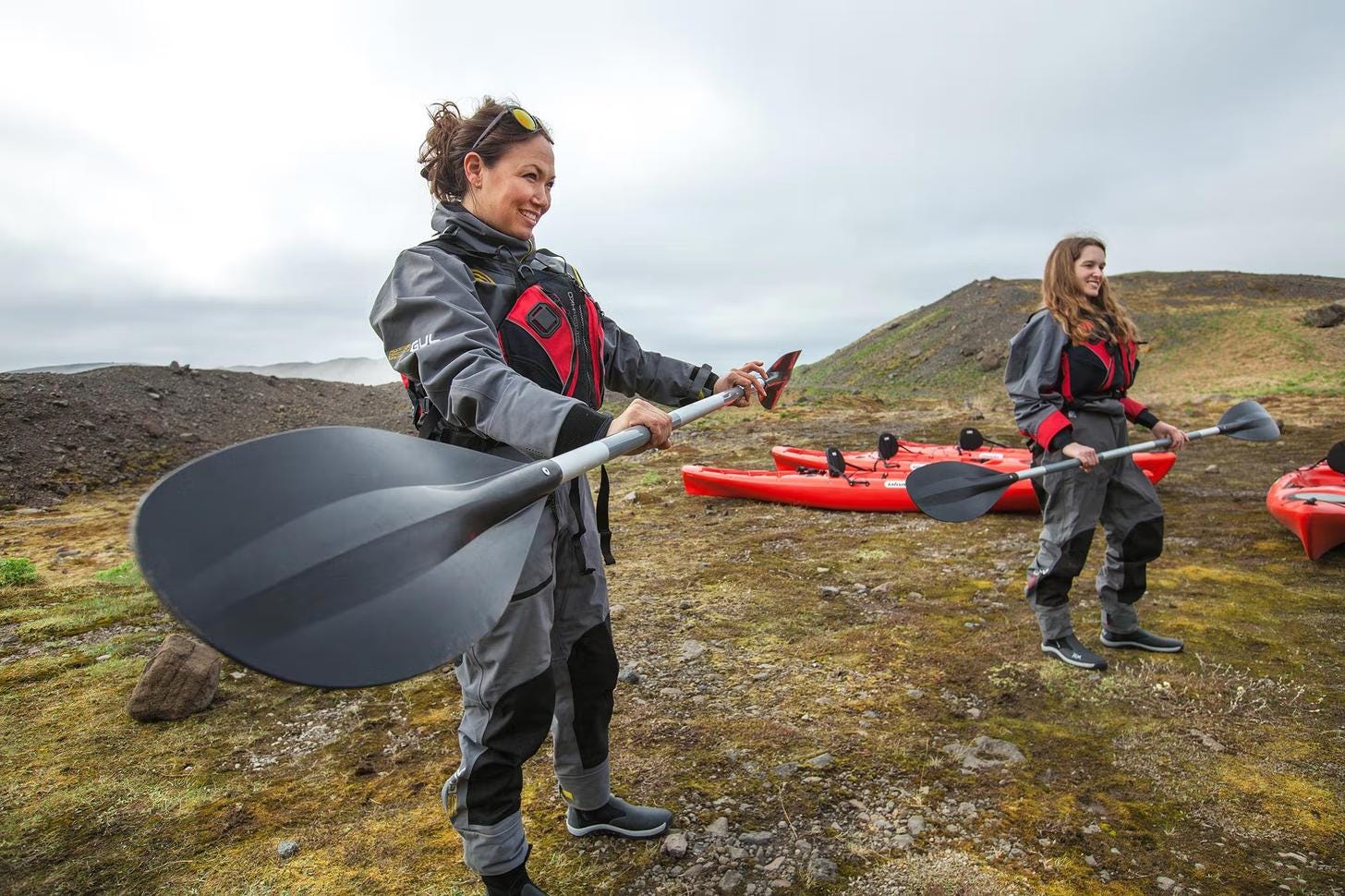
Your guide will provide all the essential safety equipment, including a drysuit or two-piece wetsuit, a life jacket, stable sit-on-top kayaks or inflatable packrafts, and suitable footwear.
You should wear warm, non-cotton clothing underneath. Wool or synthetic base layers, a fleece, warm socks, gloves and a wool hat are recommended. Sunglasses are also useful, especially on sunny days when light reflects off the ice.
Safety
Glacier kayaking is always a guided activity, and for good reason. The water remains close to freezing throughout the season, making proper safety equipment essential.
Glaciers are constantly changing, and icebergs can shift or roll without warning. Guides monitor conditions closely and keep groups at a safe distance from glacier faces and unstable ice. Weather in southeast Iceland can also change rapidly, so tours may be delayed, rescheduled or cancelled if conditions are not considered safe.
Originally published at jadepeak.com.
