

Disclosure
Jade Peak writes about places, experiences, and the people behind them, so hotels, operators, and companies come up often. We have no financial relationship with any entity named in this article. If that ever changes, we'll say so plainly, right here at the top.
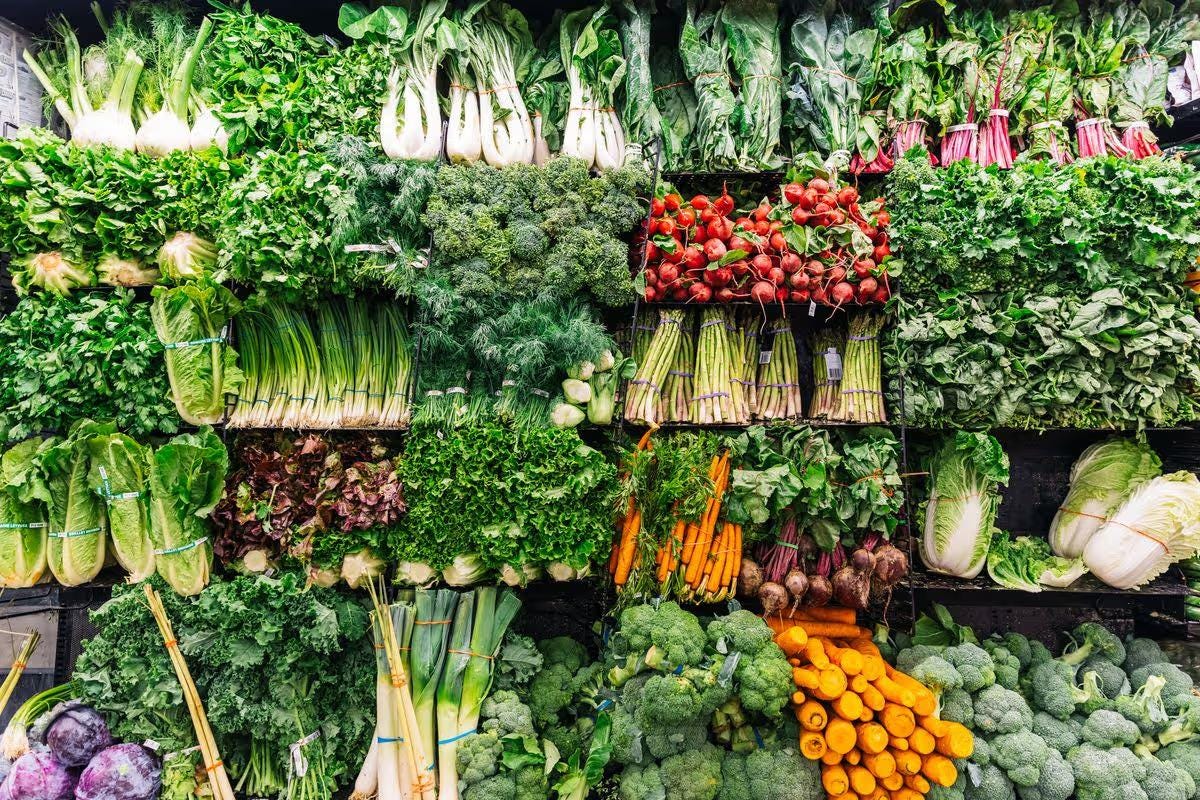
We're oddly obsessed with supermarkets.
They're one of the first places I like to visit whenever I arrive in a new country. Not because I need anything, but because they tell you a surprising amount about how people actually live.
I love walking through the cheese aisles in France and In Spain, I always end up spending too much time looking at the Iberian ham section. In the United States, it is hard not to be impressed by the enormous refrigerated aisles in Costco that seem to stretch on forever.
You can learn more about a city's food culture in twenty minutes at a supermarket than in three nights of restaurant reservations. Can you find proper fermented foods? Is there a culture of fresh produce? Are healthy options normal or treated like niche products with premium packaging and a wellness slogan attached to them? Los Angeles has Erewhon. London has Planet Organic. Sydney has Harris Farm Markets. Cape Town and Johannesburg have Woolworths.
Erewhon treats food like a lifestyle
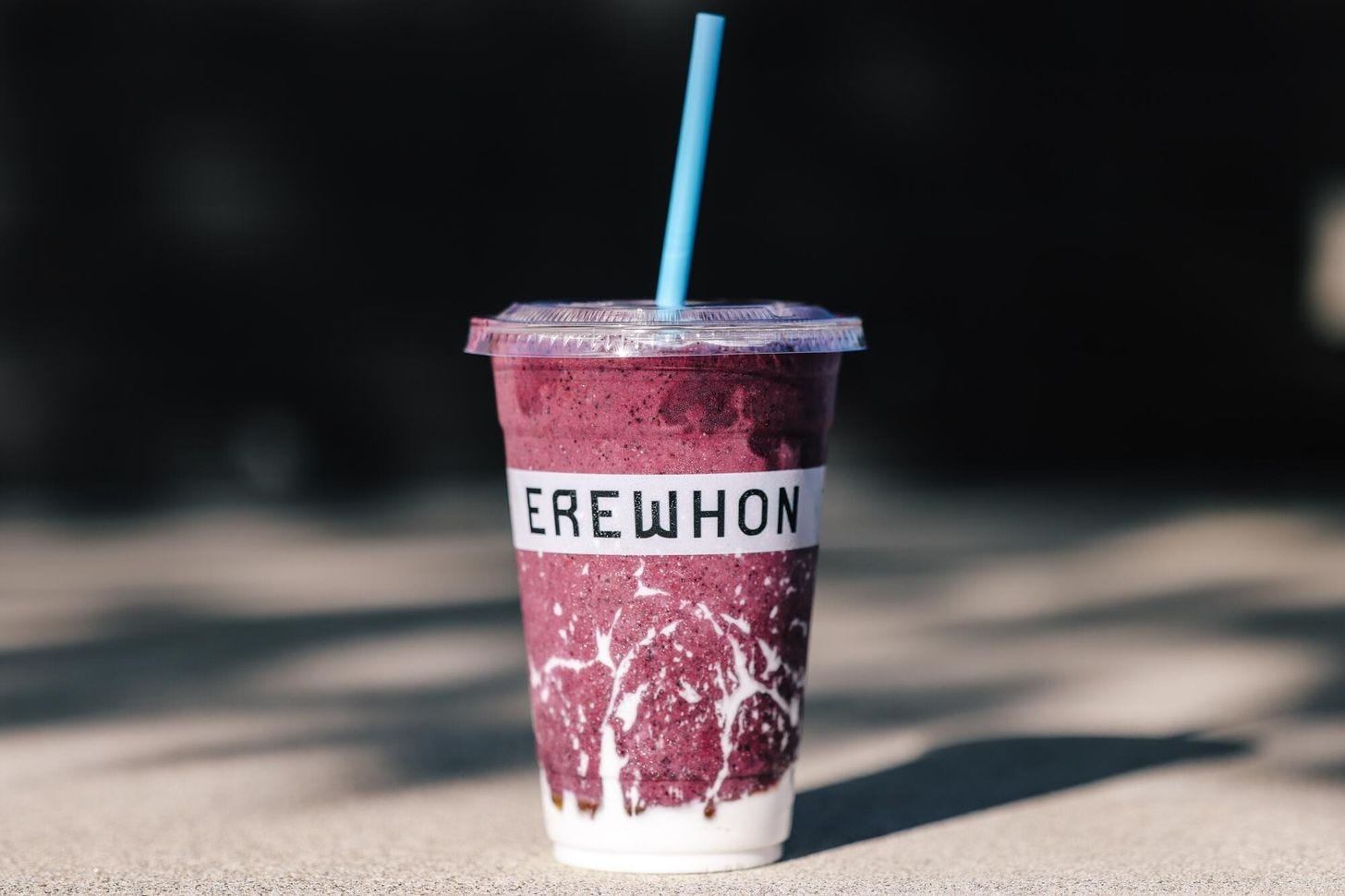
In Los Angeles, Erewhon has become as much a cultural symbol as a grocery store.Organic produce, prepared foods, wellness products and celebrity smoothie collaborations sit alongside everyday groceries. And yes, we have all seen the pink Hailey Bieber smoothie at some point. Whether anyone actually buys it regularly is a different question. What began as one of America's earliest natural-food stores has evolved into a luxury wellness institution.
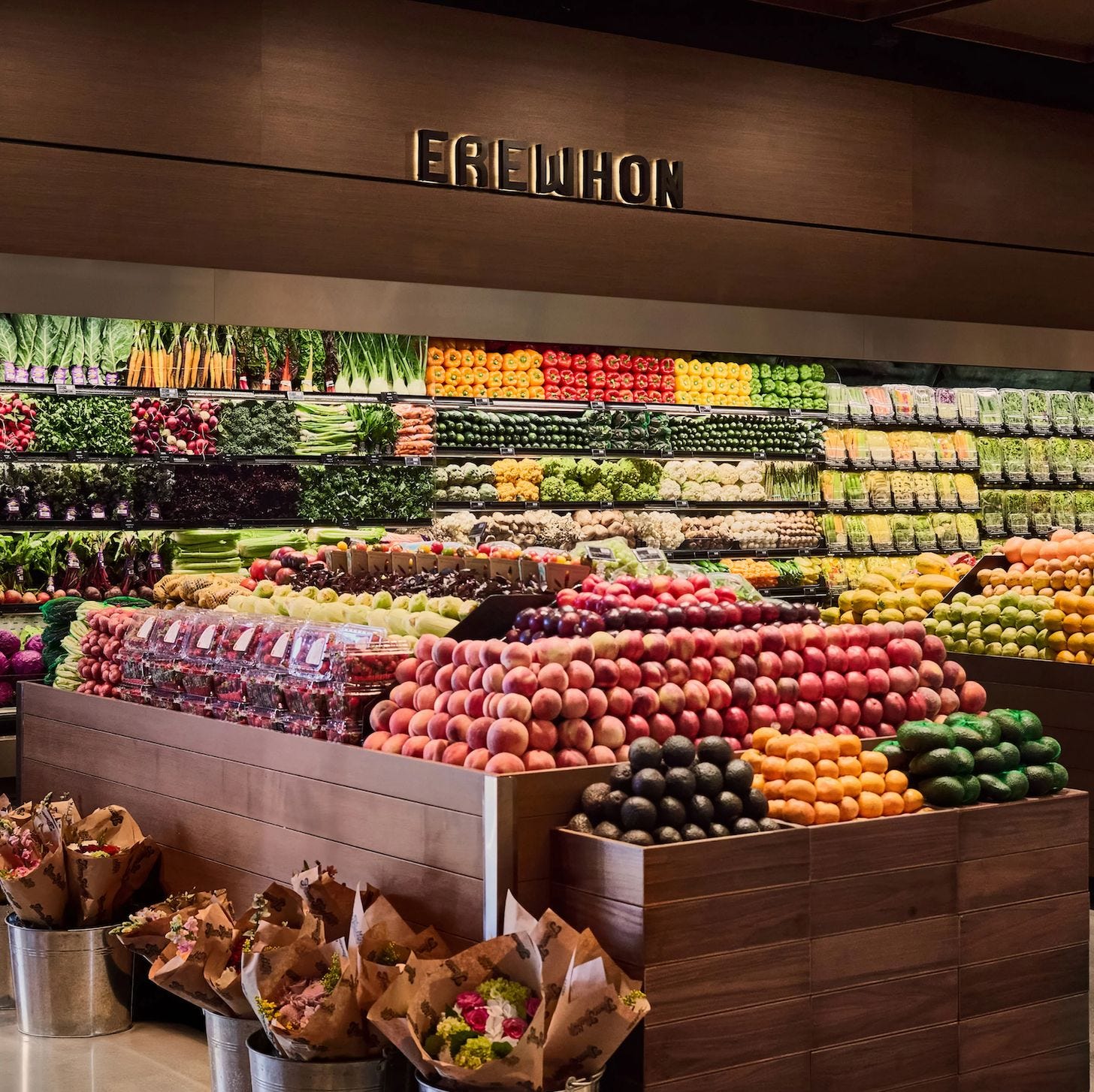
Whether that's inspiring or exhausting depends on how many wellness trends you've already lived through.
It has also become a status symbol in its own right. Buying a smoothie that costs roughly the same as an entire week's worth of fruit and vegetables sends a certain message, whether we admit it or not.
Let's be honest, part of the appeal is exactly that. Some people genuinely love the product. Others probably enjoy what it says about them.
I'm not going to criticise it too much because I know myself. If I ever walk into the store, there is a very real chance I leave with a few things I absolutely did not need.
And like everyone else, I will probably justify it in my head as a small treat. Not a lifestyle. Just a little gift to myself.
At least that is what I will tell myself on the way to the checkout.
Planet Organic treats standards as the product
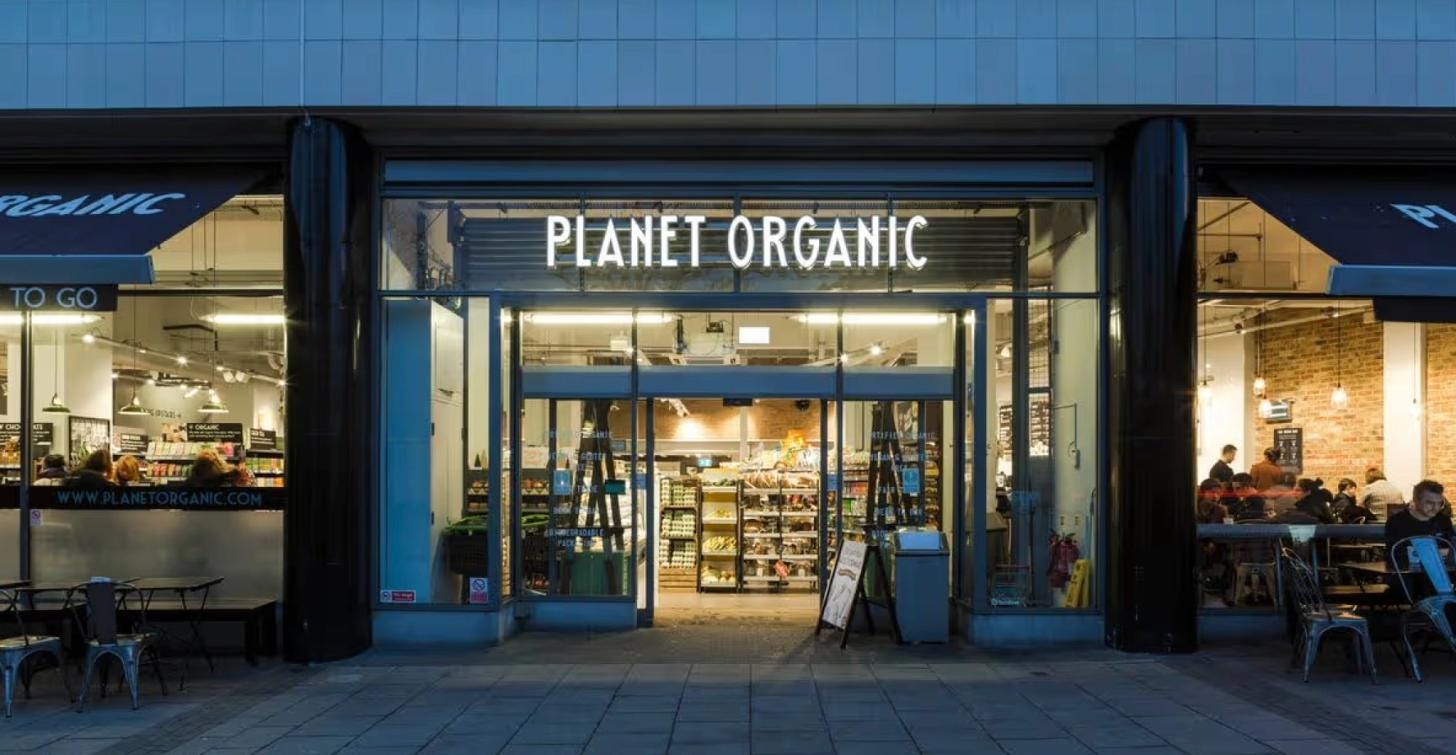
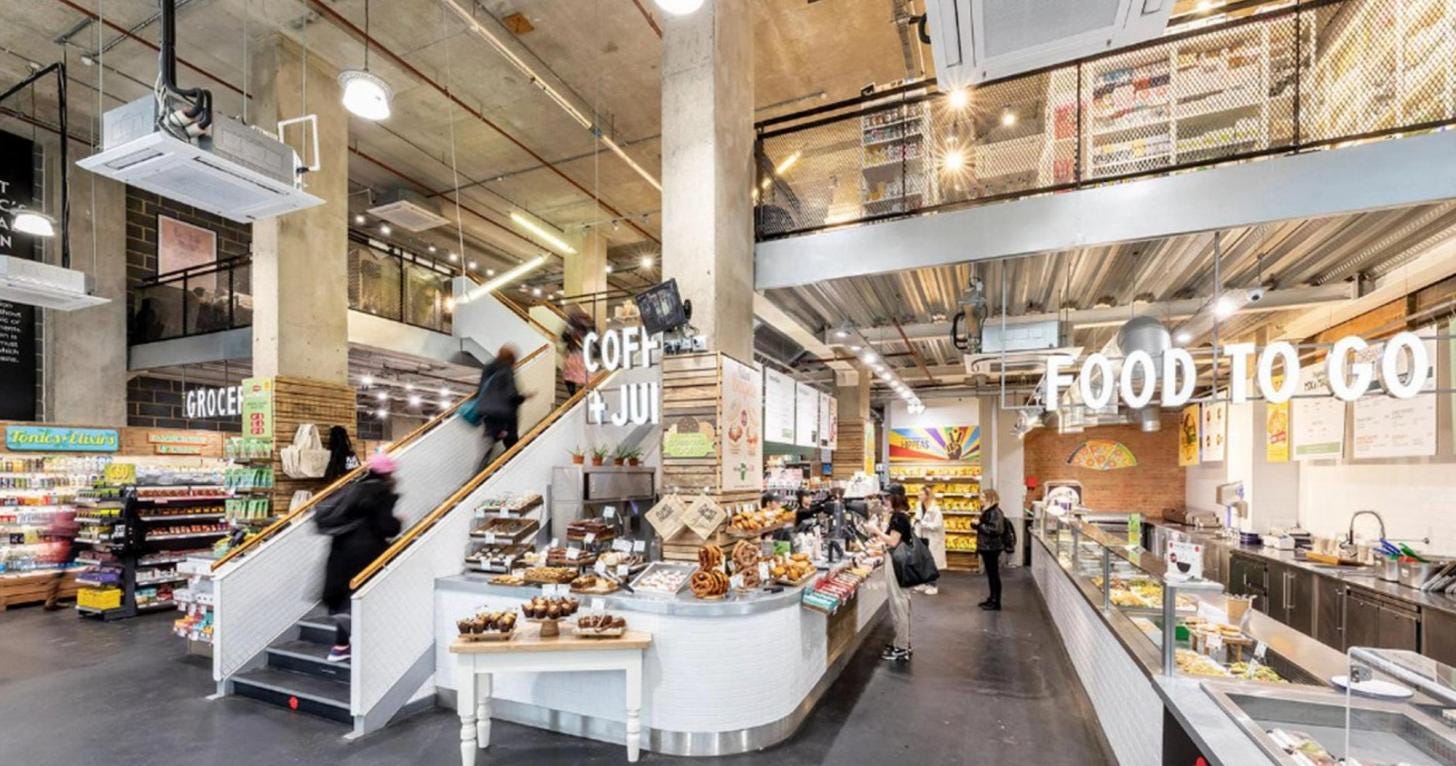
London's supermarket Planet Organic takes a different approach.
The chain built its reputation around strict organic sourcing standards, ingredient transparency and sustainability. Many categories are overwhelmingly organic, with fresh food ranges prioritising certified organic ingredients wherever possible. There are fewer products competing for your attention here, but the standards feel higher. Part of that may come from the UK's long-standing farmers' market culture, where locally grown and organic produce is often easier to find
Harris Farm Markets still feels like a market
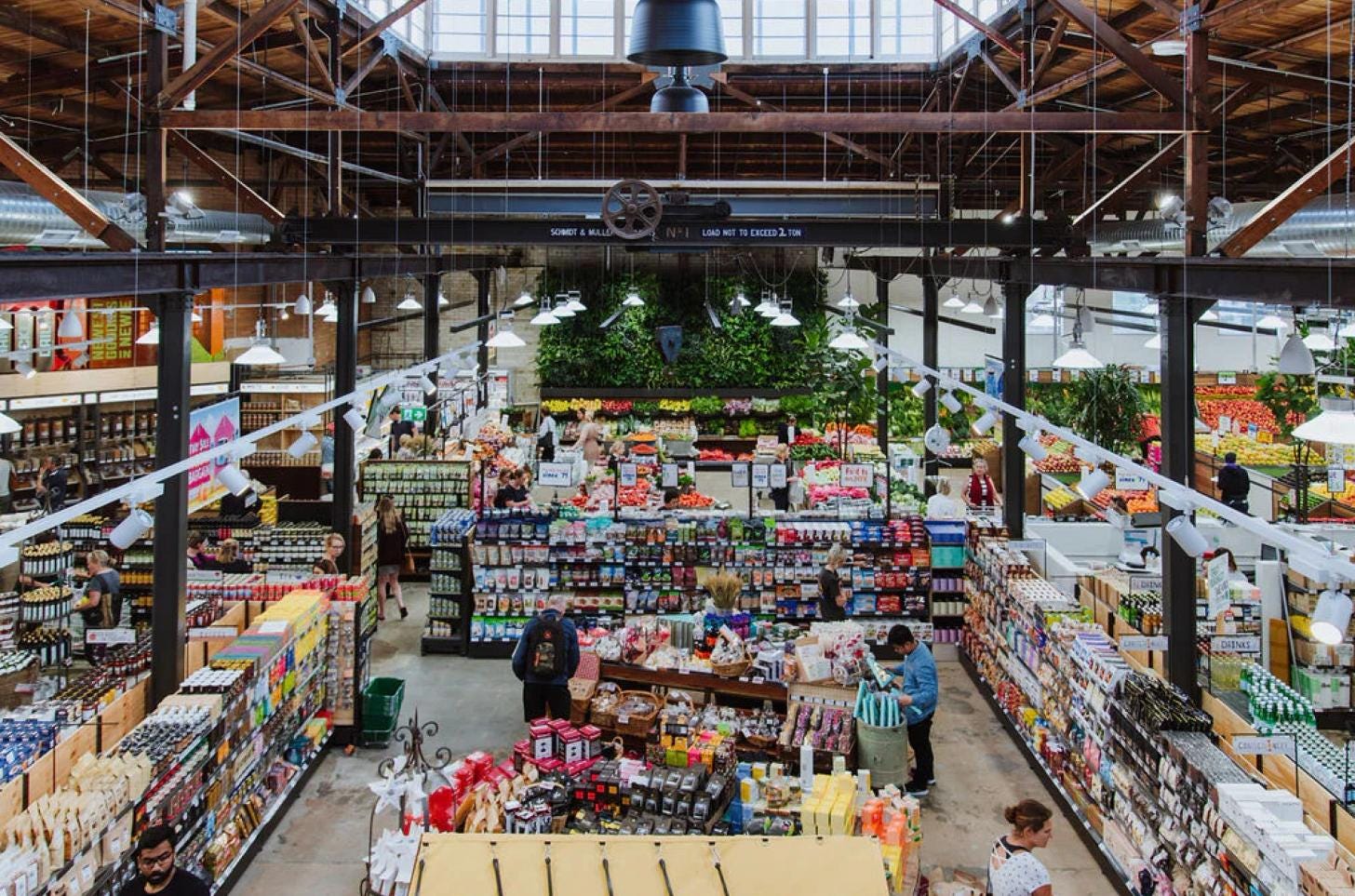
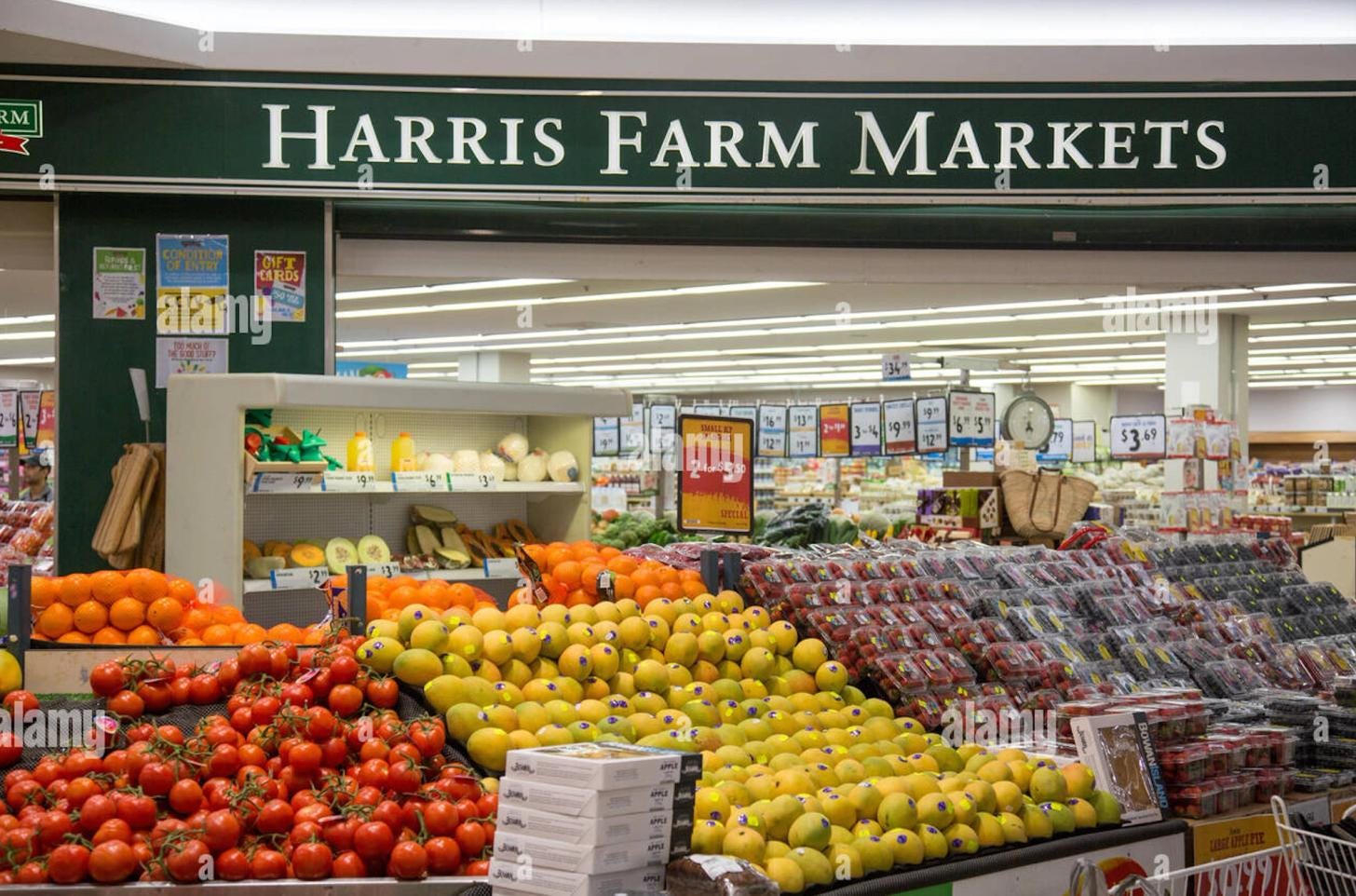
We spent some time in Australia and, when I first read about Harris Farm Markets, I was curious. Australia's Harris Farm Markets has spent decades trying to be "more market than supermarket". Fresh produce sits at the centre of the business, supported by strong relationships with local growers and a focus on seasonality rather than wellness branding.
What really caught our attention, however, was their commitment to Imperfect Picks. If you are not familiar with the concept, it is remarkably simple. Fruit and vegetables that look slightly unusual, too small, too large, oddly shaped, or visually imperfect are sold instead of being discarded.
I grew up around people who cared deeply about food, organic produce, growing their own vegetables, and spending far too much time discussing what was in season. One thing I heard repeatedly was that nature is rarely symmetrical. A misshapen apple is not a bad apple. A crooked carrot is still a carrot.
In many ways, perfectly uniform produce is often the stranger outcome.
Harris Farm took that idea and built a commercial model around it. If Erewhon feels like the future of wellness retail, Harris Farm feels closer to an old-fashioned food culture adapted for modern cities.
Woolworths proves healthy food doesn't need to look healthy
I have never actually been to South Africa, at least not yet, but Woolworths caught my attention while putting this list together. First of all, I love the name.
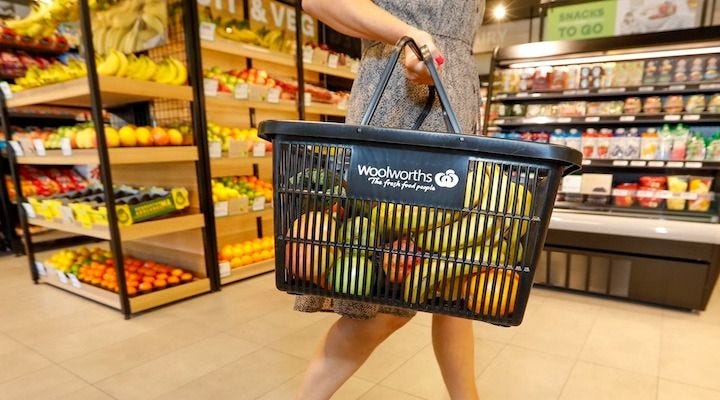
Then I started reading reviews and noticed something interesting. Again and again, people mentioned the same thing: produce quality. The fact that the fruit, vegetables, and groceries were consistently good enough to justify paying a bit more.
What makes Woolworths particularly interesting is that it could easily market itself as a wellness destination. But it largely chooses not to. It sells groceries. That comment might sound obvious until you've spent enough time in cities where supermarkets seem more interested in selling supplements than vegetables.
Somewhere along the way, parts of the wellness industry became fascinated with powders, capsules, functional drinks, and products promising to optimize every aspect of life. The focus appears to be less on convincing customers they need something new and more on making sure the basics are done exceptionally well.
What the healthiest supermarkets get right
After putting this list together, we found ourselves thinking about something else.
Yes, some of these supermarkets are expensive and some lean heavily into wellness marketing while others barely mention it. And there is probably a point where paying £18 for a smoothie starts becoming a philosophical discussion rather than a nutritional one.
But when we looked past all of that, we realised that most of these places are trying to do the same thing. In a world increasingly built around ultra-processed convenience, they make fruit, vegetables, fermented foods, quality proteins, and ingredients worth cooking and desirable again.
Originally published at jadepeak.com.
