

Disclosure
Jade Peak writes about places, experiences, and the people behind them, so hotels, operators, and companies come up often. We have no financial relationship with any entity named in this article. If that ever changes, we'll say so plainly, right here at the top.
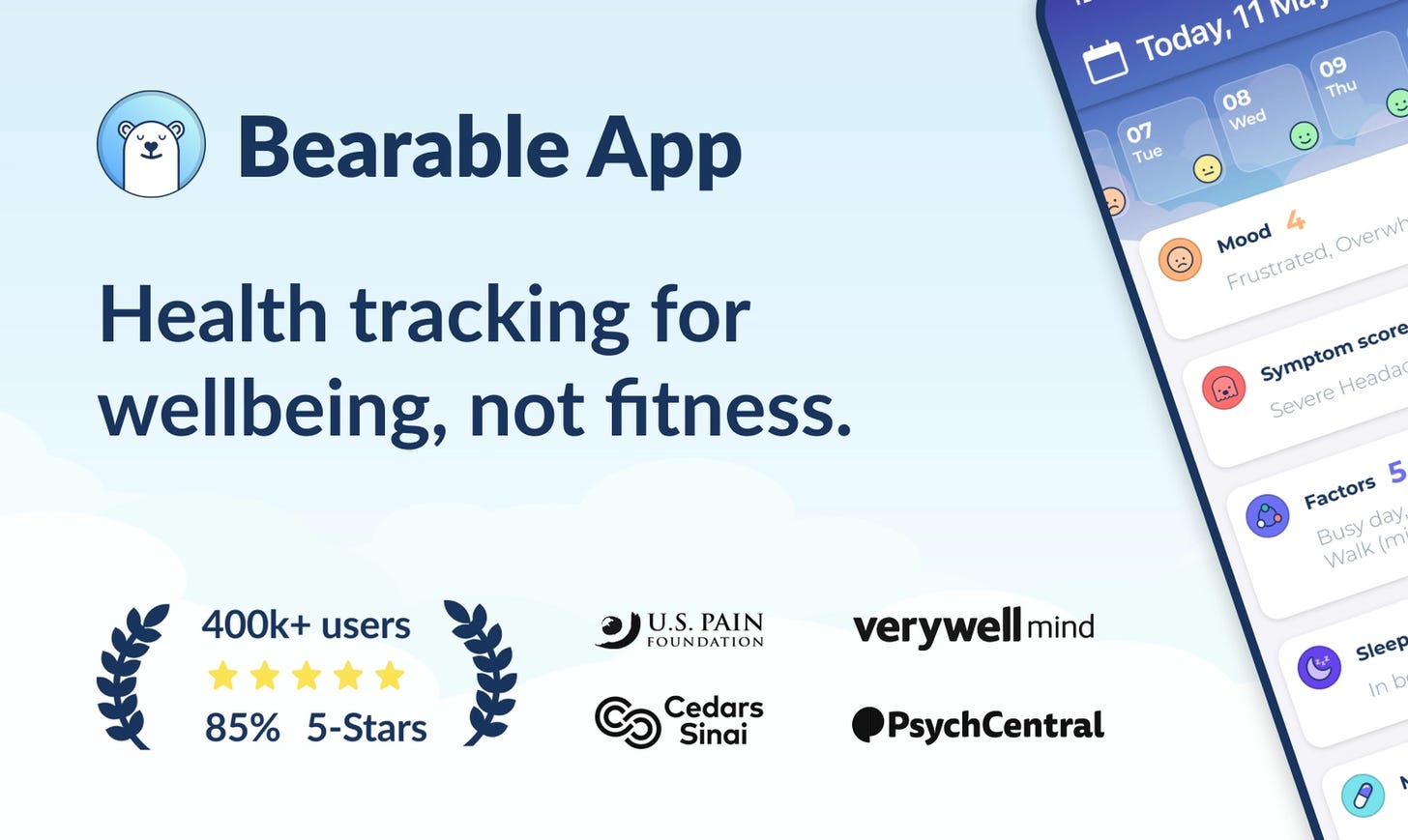
There’s an app for everything. We know that. Sometimes it feels exhausting and just takes space out of your phone. But this one might actually be useful for a very specific group of people, those who are injured, dealing with ongoing discomfort, or even friends and family trying to better understand what someone is going through.
Here at Jade Peak, we’ve had our fair share of injuries too. Sprained ankles, knee surgeries... we’re not invincible. That’s partly why this topic caught our attention and why we started looking deeper into it.
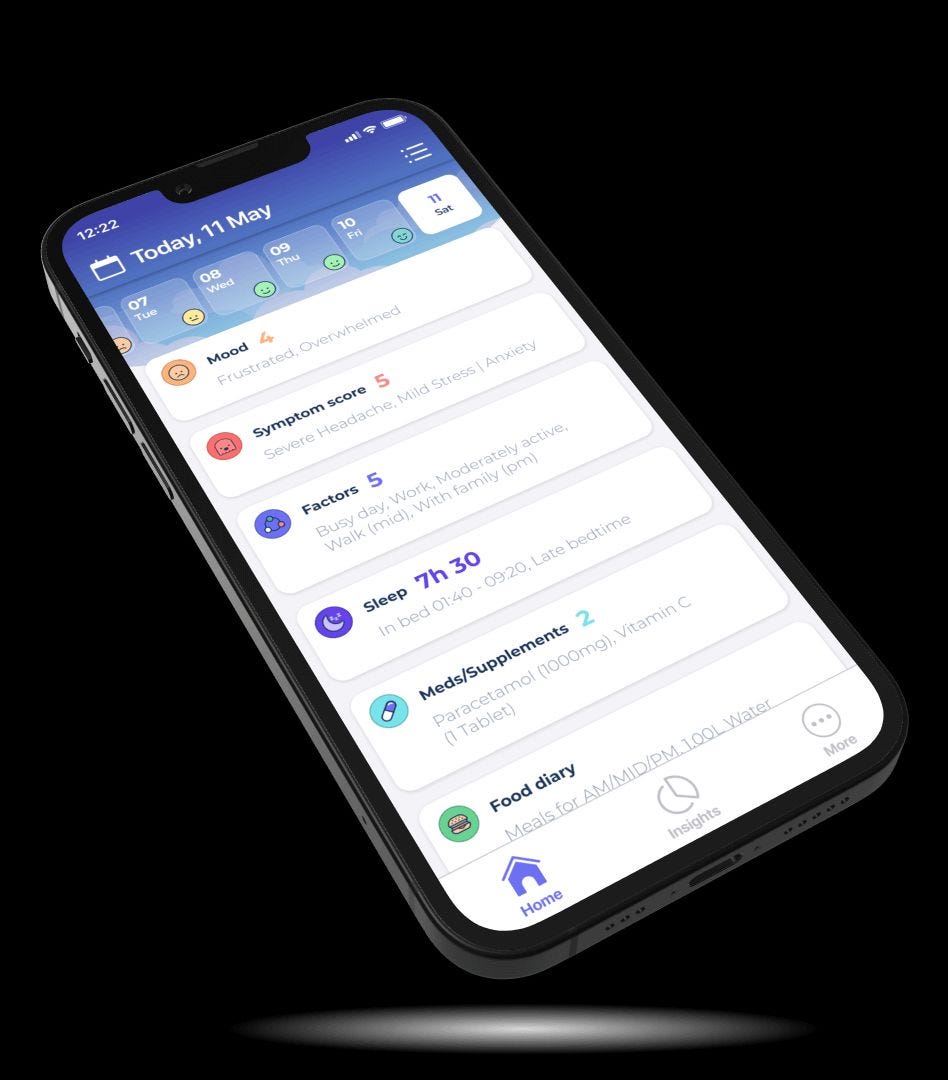
We’ve recently been exploring the rise of injury-tracking and health logging tools, and one that kept coming up in conversations is Bearable, an app designed to help users track symptoms, training load, mood, recovery, sleep, and basically anything related to how the body feels day to day. It’s incredibly detailed, but that’s also the point. The goal is to help you understand yourself better.
It sounds incredibly useful and, in many ways, it is. But what surprised us was that the reaction from real users is surprisingly mixed. Some people describe it as powerful but overwhelming. The level of customization is so high that setting it up can feel like a project in itself. Reading some of the reviews honestly reminded us of assembling IKEA furniture. Others are much more positive. Some users say they find the app genuinely useful, but only under one condition: consistency. Without regular logging, the data quickly loses its value. So it's worth being realistic. If you're constantly travelling, taking long breaks, or simply know you're unlikely to track things regularly, you may not get the full benefit.
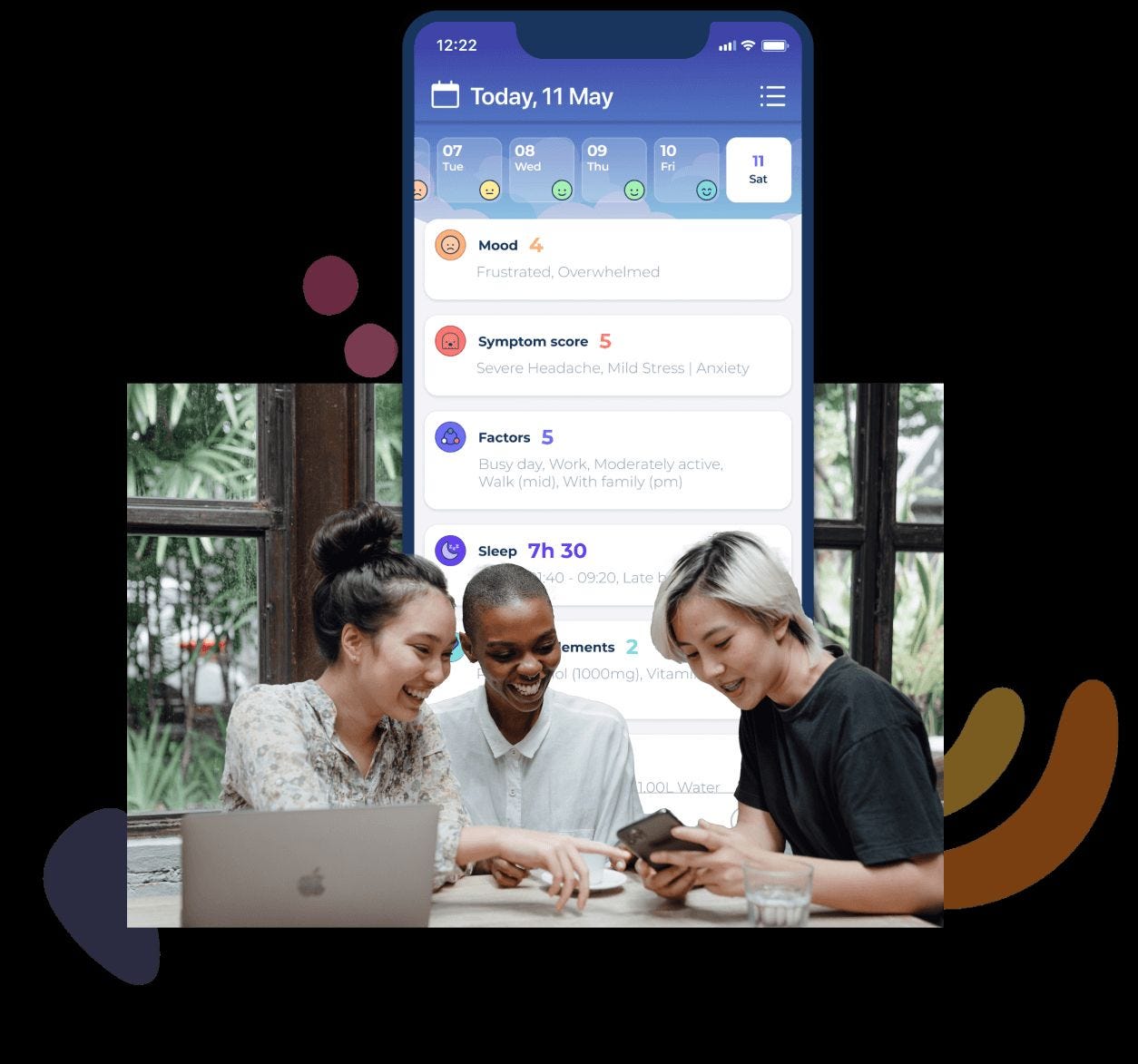
Long-term users seem to get the most out of it. People who have logged their health data daily for over a year describe it as indispensable for identifying patterns they would never have noticed otherwise. Such as how certain medications affect them, changes in sleep quality, recovery rates, or recurring symptoms. It's also clear that many of these dedicated users are athletes and high performers.
This raises a question we keep coming back to at Jade Peak: does tracking improve awareness, or does it risk turning wellbeing into another task on our to-do list?
Because while the promise is appealing, better performance, fewer injuries, more control, the reality depends heavily on the user. The app can't create consistency for you. And it can become another forgotten app buried somewhere on your phone.
Either way, it reflects a broader shift in sports and wellness culture. We're moving from simply training the body to continuously monitoring it. Whether that's progress, obsession, or a bit of both is probably something each person has to decide for themselves. At Jade Peak, we're just fascinated to watch where it goes next.
Originally published at jadepeak.com.
