

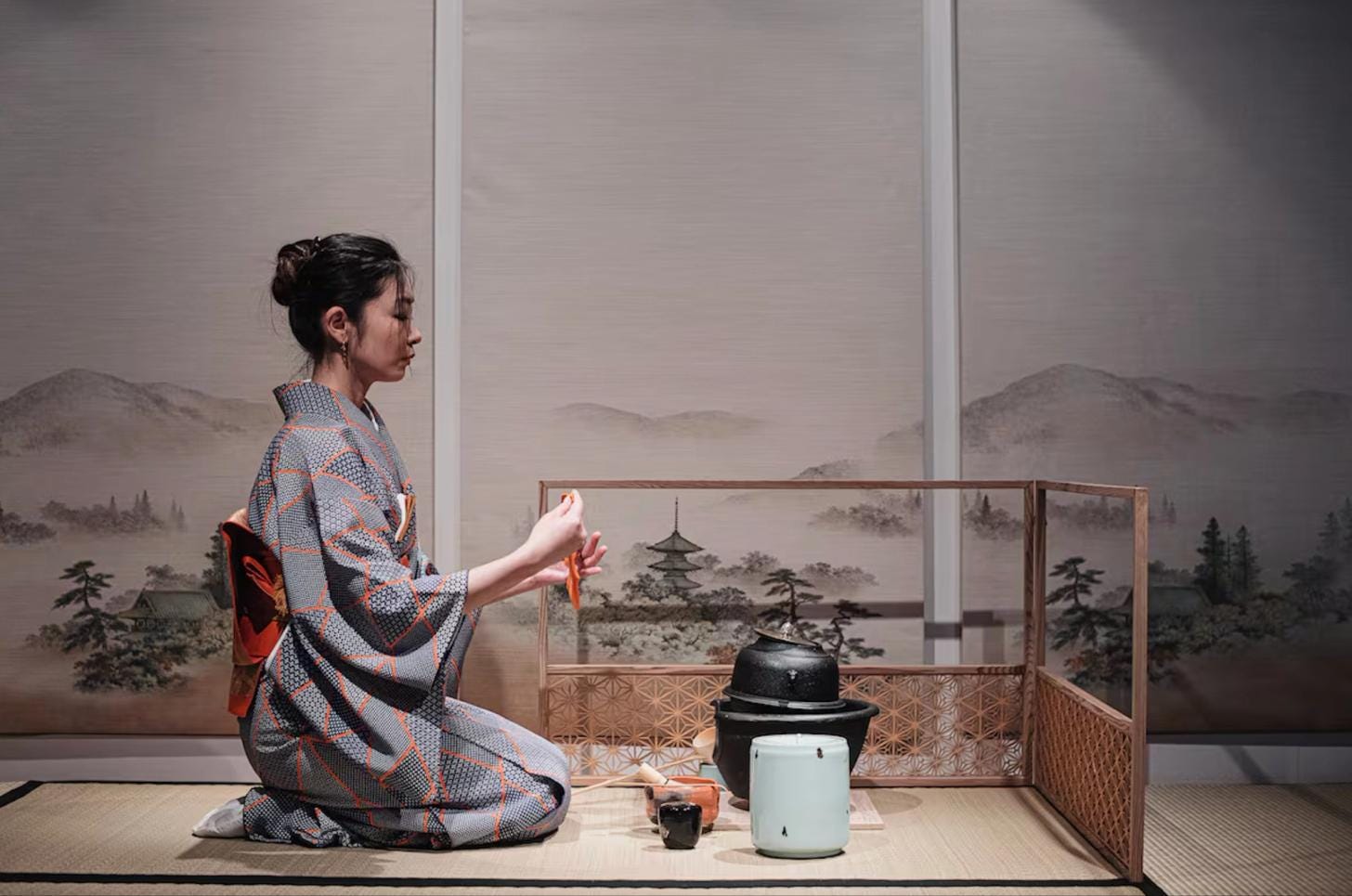
A few years ago, most people outside Japan would have told you matcha tasted like grass. Today, it feels harder to find a café that doesn't serve one. If you're reading this article, you're probably already on team matcha. We rarely meet people who are neutral about it.
Social media is full of matcha lattes, matcha protein shakes, matcha cookies, matcha pancakes and, most recently, a matcha cheesecake that somehow made us stop scrolling. At Jade Peak, we've been drinking matcha for years. We genuinely enjoy the taste, the ritual behind it, and the slower energy release compared to coffee. You still get the caffeine, just without that dramatic crash that sometimes arrives a few hours later with your third espresso.
But there is a problem.
The birthplace of matcha is struggling to keep up with demand.
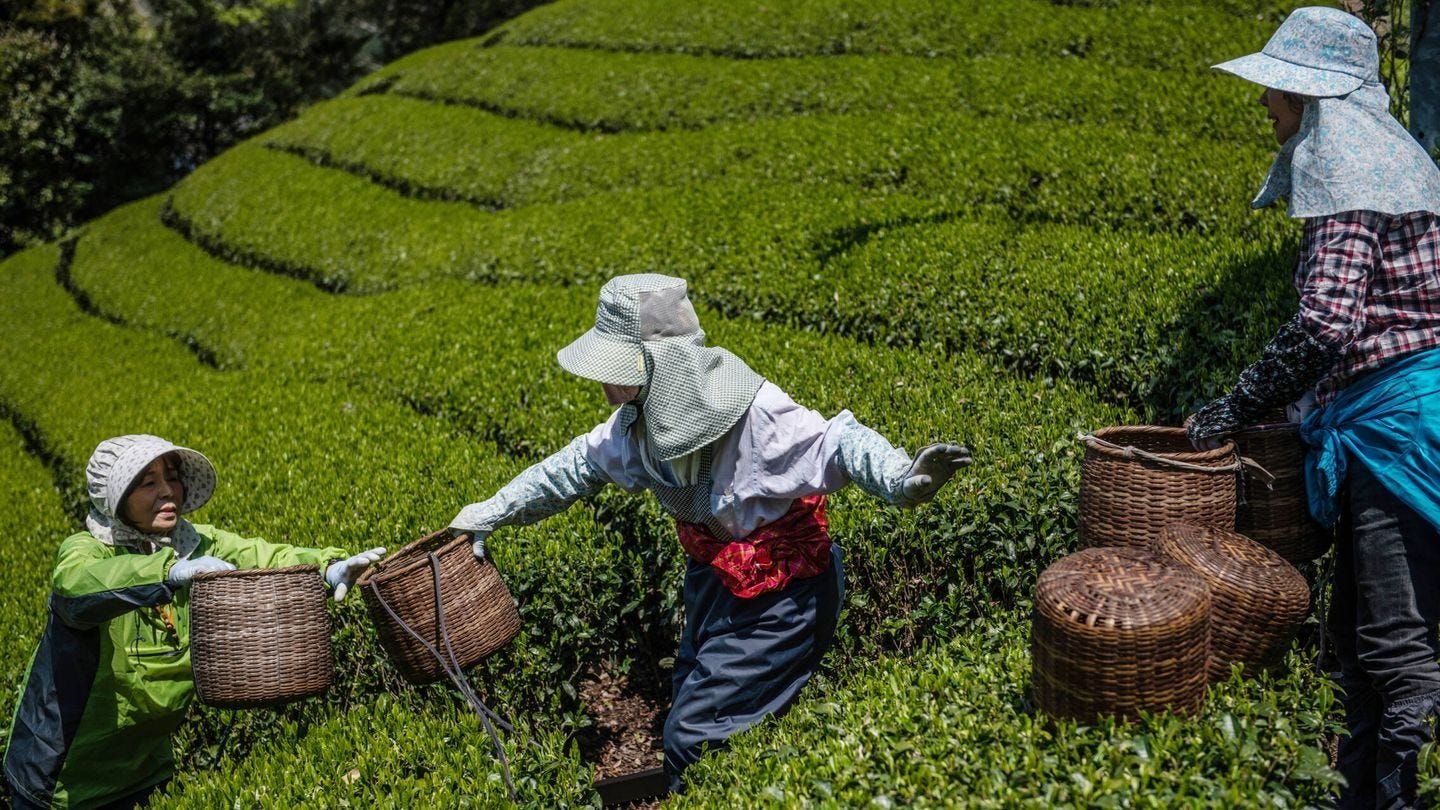
The good stuff runs out.
The epicentre of the story is Uji, a small city near Kyoto and the historic home of some of Japan's most prestigious matcha producers. Tourists arrive every morning hoping to secure tons of premium ceremonial grade matcha before it sells out. And, as you might expect, it often does.
Some shops reportedly sell an entire month's supply of premium matcha in a single day. When we read that, it sounded less like tea culture and more like Black Friday, except the customers are wellness enthusiasts instead of people fighting over discounted televisions.
The reason is simple: demand for matcha has exploded.
We've seen several market reports suggesting that global demand is expected to continue growing over the coming years. The challenge is that premium matcha cannot simply be produced faster.
Unlike many modern food products, ceremonial matcha is still made through a highly traditional process. Tea plants are shaded before harvest to develop their distinctive flavour profile. The leaves are then carefully selected, processed into tencha, and finally ground into an ultra-fine powder.
One of the co founders of Jade Peak is half French, the process actually reminds me a little of wine. The attention to detail, the dependence on growing conditions, the patience required, and the fact that quality cannot simply be scaled overnight.
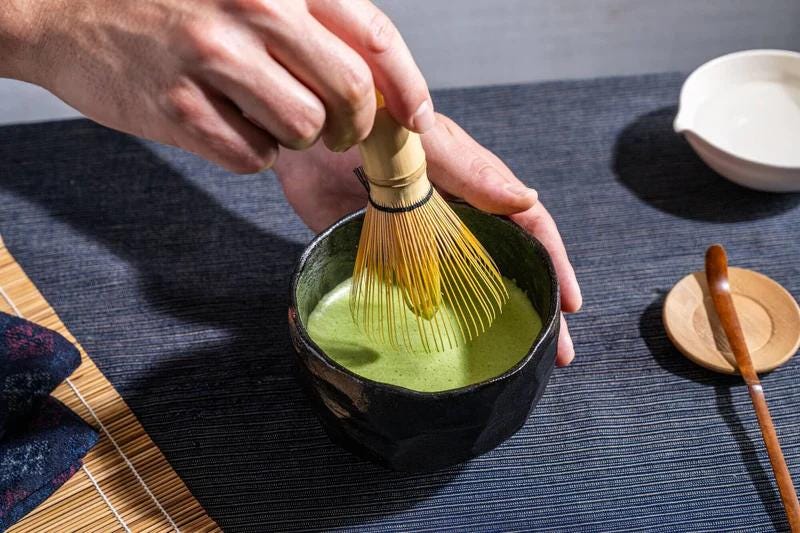
The growing popularity of matcha has brought global attention to Japanese tea traditions, something many producers welcome. But it has also created concerns that some of the highest-quality ceremonial matcha is being purchased in large quantities only to end up in desserts, sugary drinks, or being resold online at higher prices. And to be fair, the latter is actually quite common.
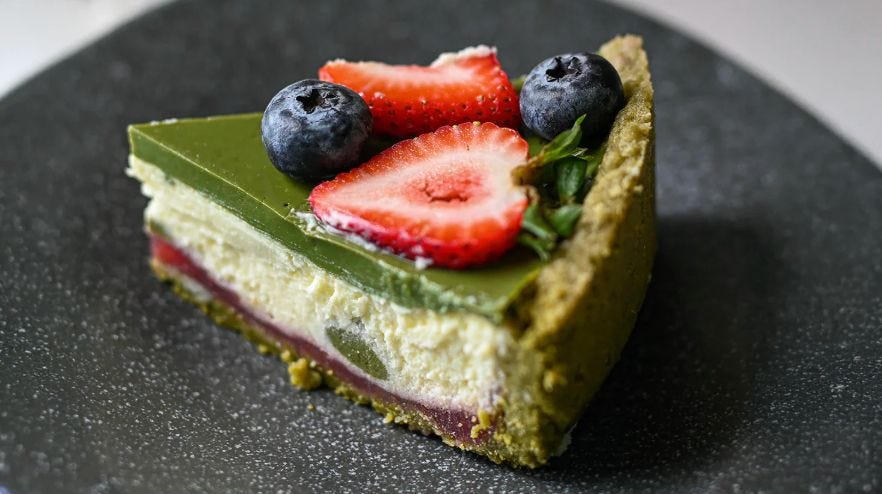
We understand both sides.
The producers dedicate years to perfecting their craft and preserving traditions that have existed for centuries. It's easy to see why some might feel frustrated. Which leads us to a question that we at Jade Peak find ourselves asking as well:
What happens when a product that was originally designed for tradition, ritual, and cultural heritage becomes a global wellness trend? We'll be following this story closely…Will prices go up? Will quality go down? Will Japan step in to protect its most prestigious matcha producers? Or will countries outside Japan start building their own matcha industries?
Originally published at jadepeak.com.
