

Disclosure
Jade Peak writes about places, experiences, and the people behind them, so hotels, operators, and companies come up often. We have no financial relationship with any entity named in this article. If that ever changes, we'll say so plainly, right here at the top.
Berlin is a city of contrasts. Germany's largest city is known for its relentless creative energy, world-famous nightlife and a culture that rarely follows the rules. It's gritty, trendsetting and constantly reinventing itself. Yet beneath the clubs, galleries and start-ups, a different side of Berlin is emerging, one that we like, one centered around recovery, movement and finding moments of calm in one of Europe's busiest capitals.
As always at Jade Peak, we went looking for a few places that caught our attention.
Vabali
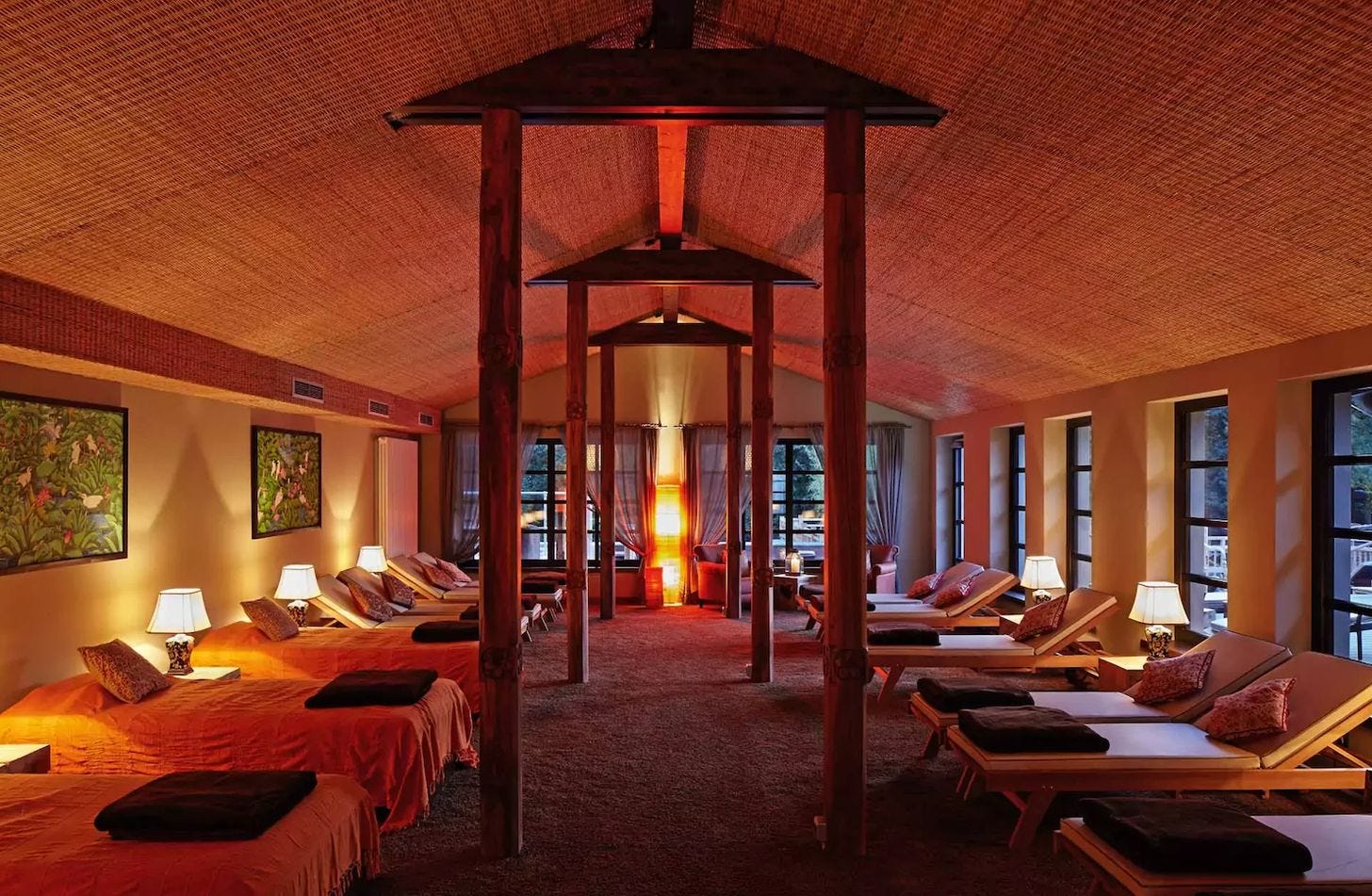
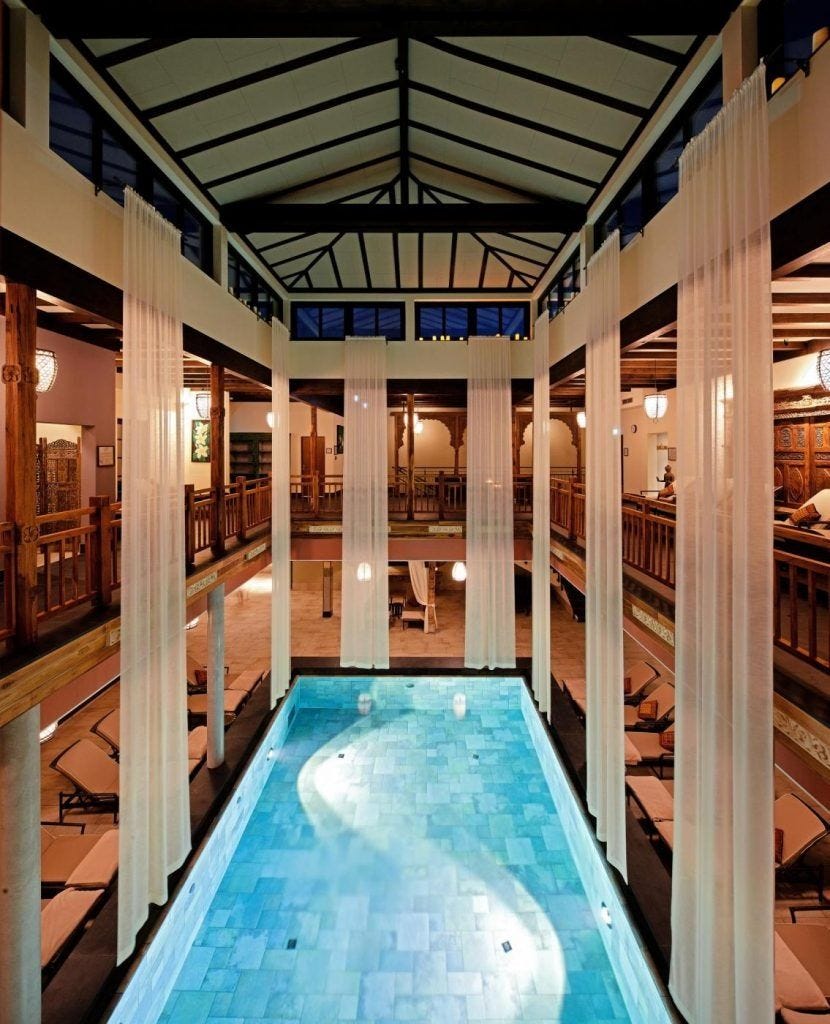
The name says it all. Vabali is essentially a little piece of Bali dropped into the middle of Berlin.
It actually made us laugh. When we visited Bali, the crowds were mostly Australians and Brits. Apparently, though, the Germans were paying attention too.
Located just minutes from Berlin's Hauptbahnhof, the entrance gives very little indication that behind it sits a 20,000-square-metre wellness complex inspired by Balinese resorts. The contrast is almost comical. One moment you're surrounded by trains, traffic and office buildings, the next you're wandering between pools, gardens and relaxation areas. Although it's enormous, Berliners regularly queue up for it. If the available time slots are booked, there's a good chance you'll find a queue outside.
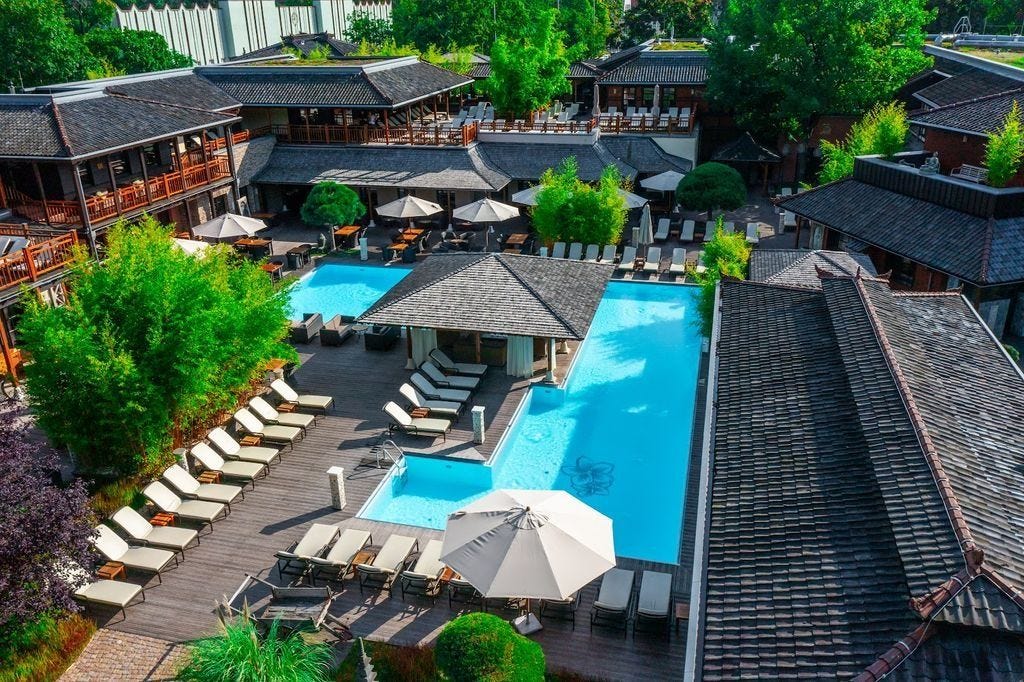
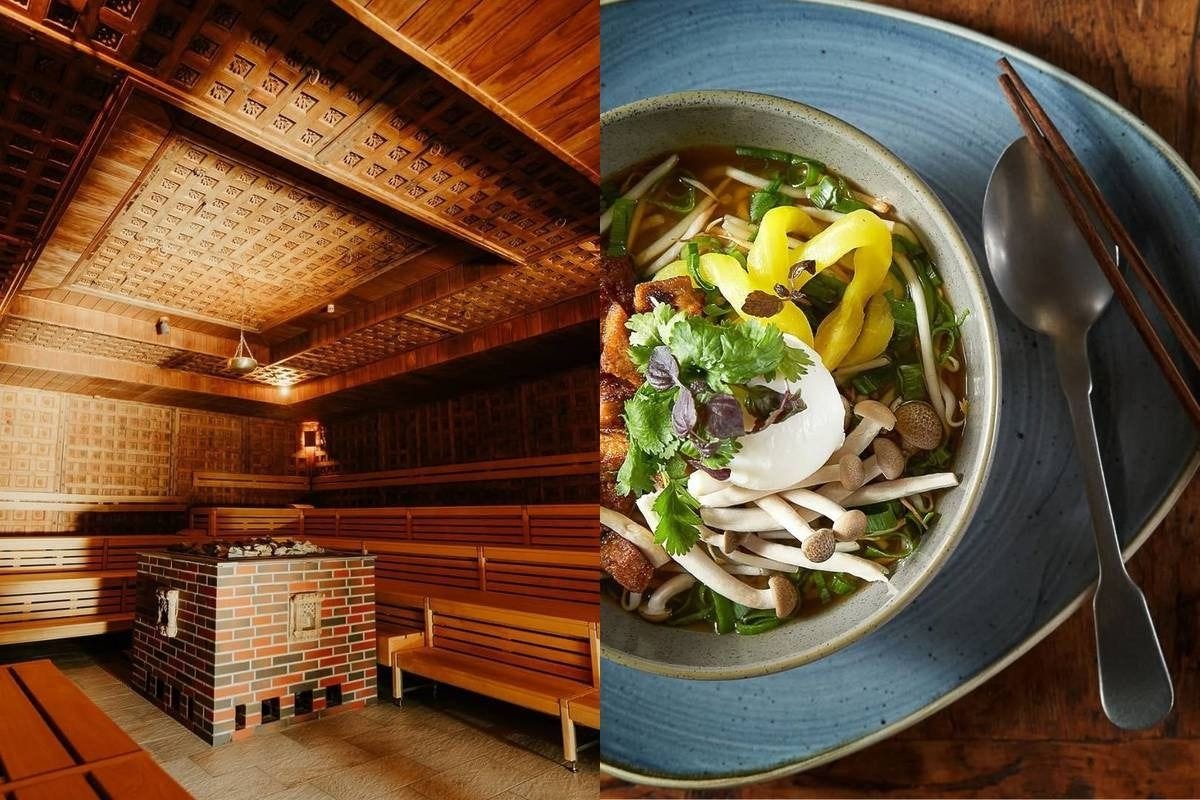
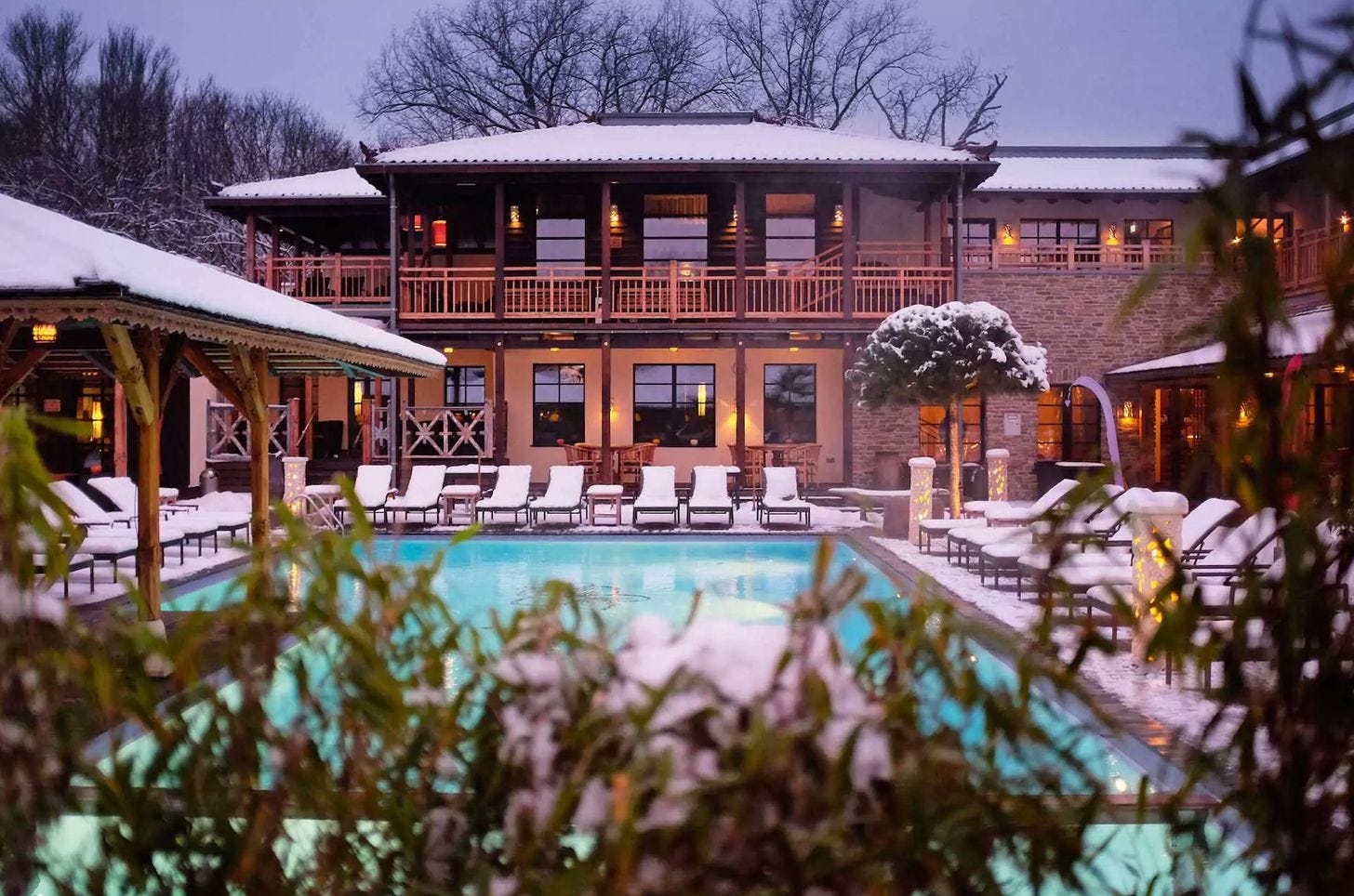
The investment reportedly exceeded €20 million, and once you're inside, it's easy to see where that money went. Whether you're visiting in the middle of winter and you hang out in the fireplace lounge well thought or on a warm summer afternoon at the pool.
Haferkater
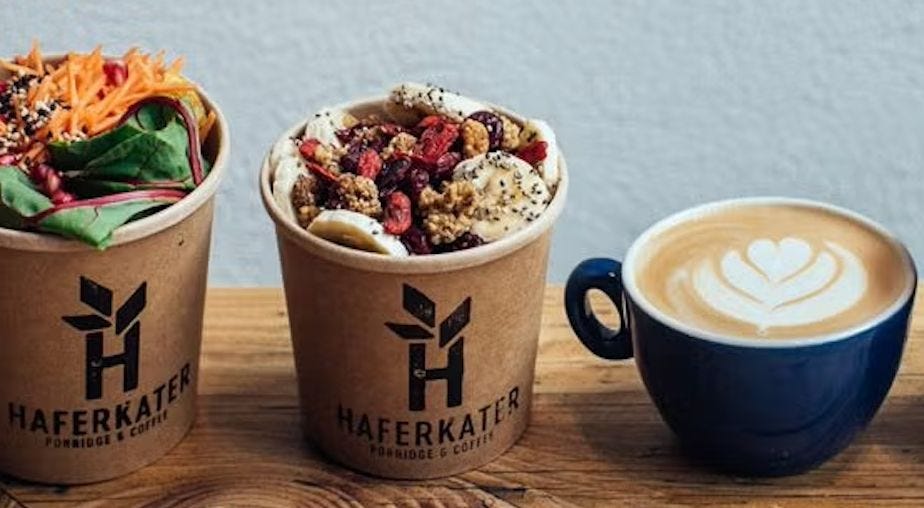
If you love porridge, this is your place.
What we found interesting isn't necessarily the café itself, but what it says about German food culture. While porridge has become associated with modern wellness trends in recent years, grain-based breakfasts have been part of life in Central Europe for centuries. Archaeologists have even found evidence of porridge being prepared in the region thousands of years ago.
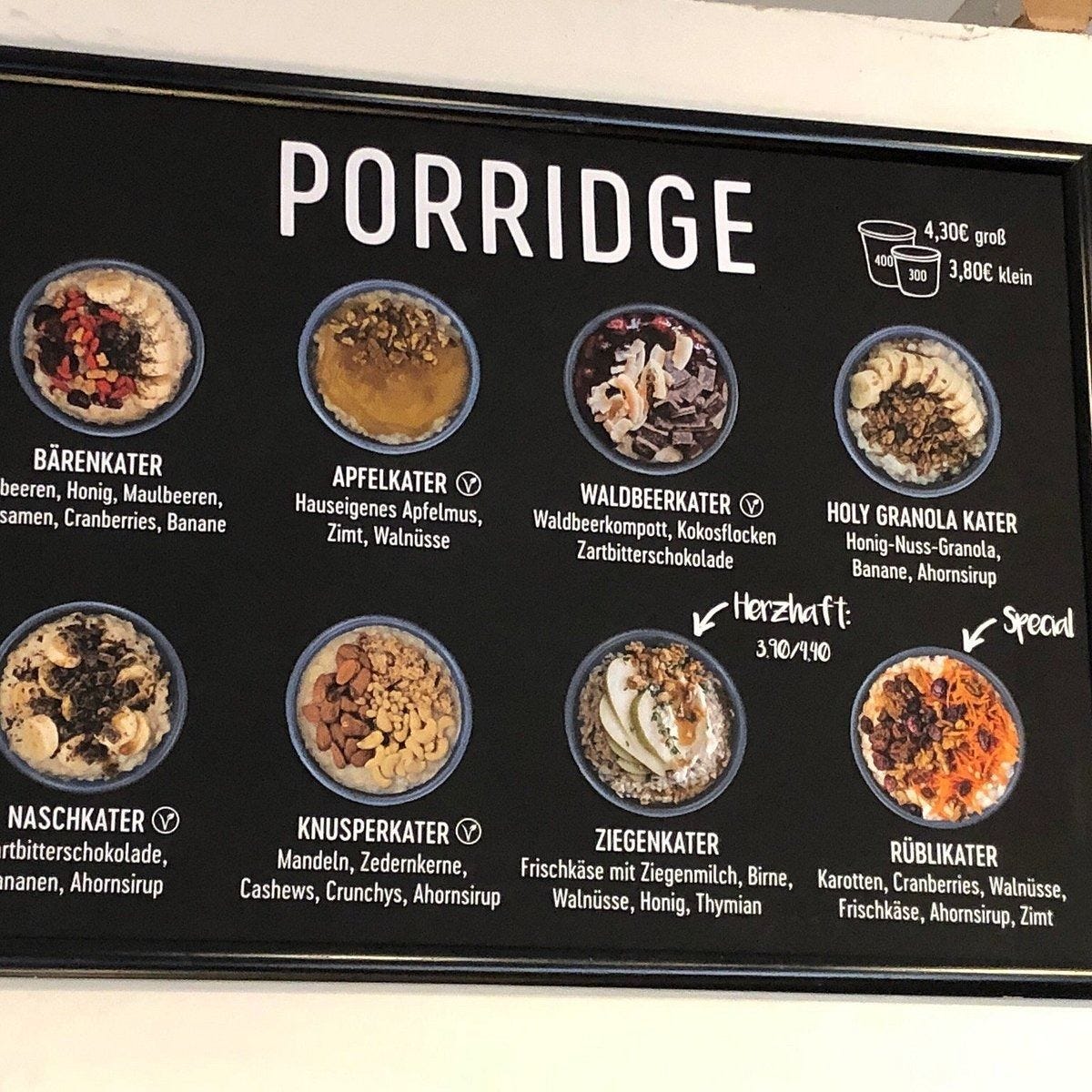
Germany's long agricultural tradition and preference for simple, hearty foods helped make oats a breakfast staple long before they became fashionable again. Places like Haferkater feel less like a new wellness concept and more like an old tradition returning to the spotlight.
Badeschiff
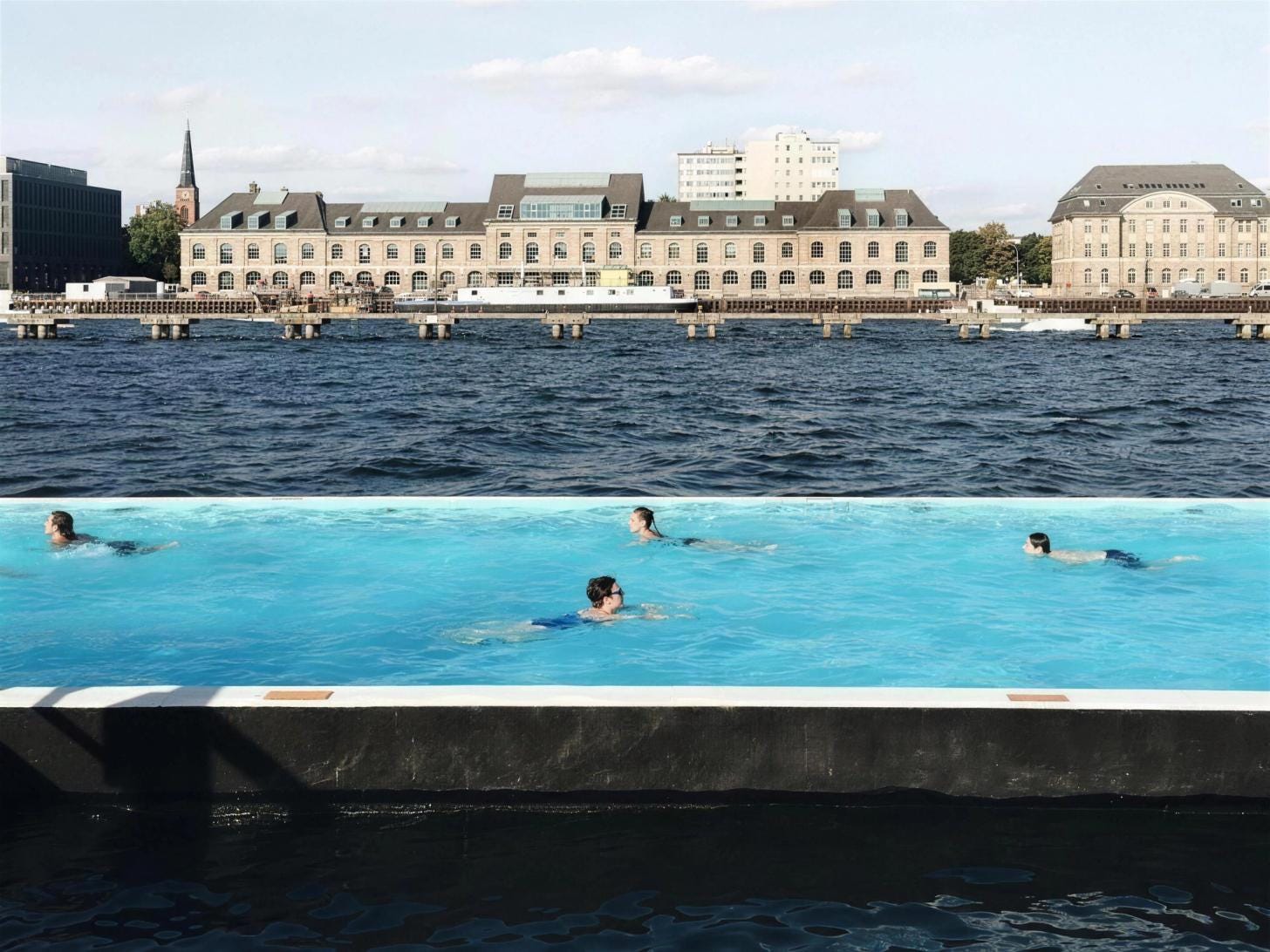
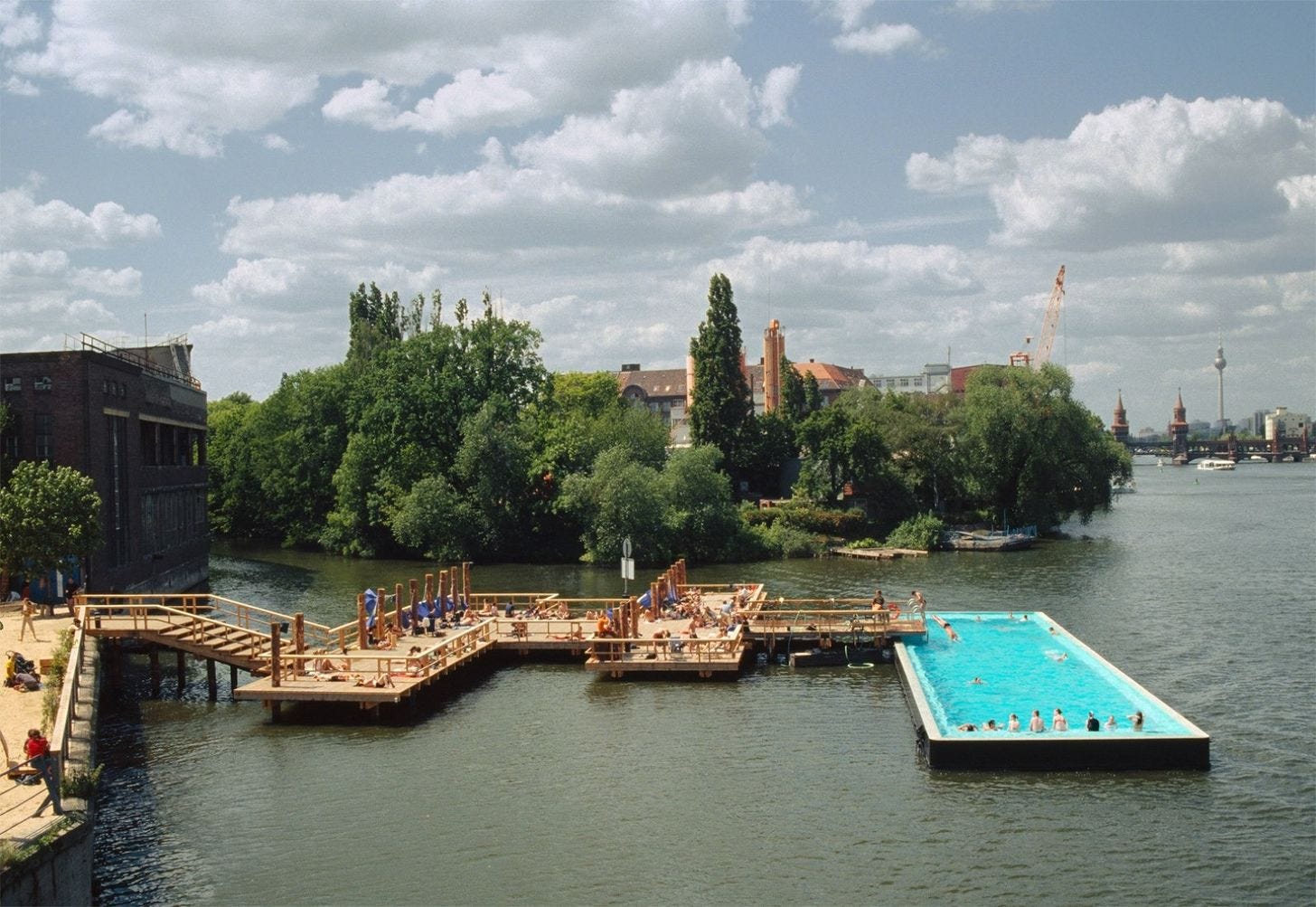
Some cities have rooftop pools. Berlin has those too, but it also decided to put one in a river.
Badeschiff has become one of the city's most recognisable summer spots, and it's easy to understand why. Floating on the River Spree, the pool feels slightly surreal, the kind of place you wouldn't expect to find in the middle of a major European capital.
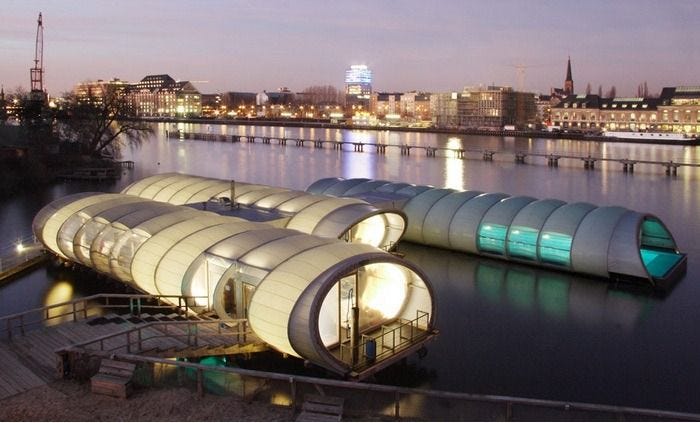
What we like most is that it challenges the stereotype that Berlin is all about clubs, warehouses and life indoors. Spend a sunny afternoon here and you'll quickly realise how much Berliners embrace the outdoors whenever the weather allows it. And if there's one thing Germans are known for, it's making the most of a good day of sunshine.
Originally published at jadepeak.com.
