

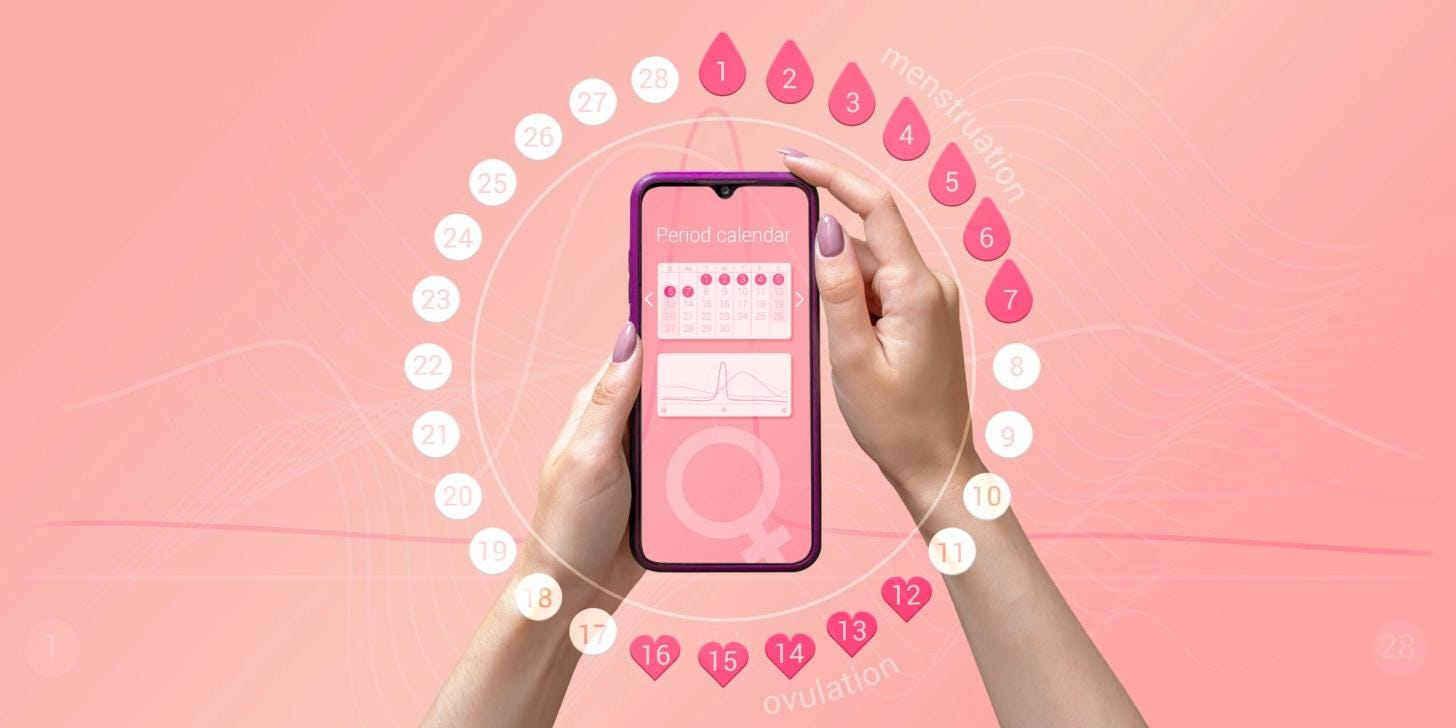
We're not here to cause panic. Period tracking apps are genuinely useful, and this isn't a "delete everything" article. But there's information here that every woman, and honestly every man too, should know, if only so we can all look out for the women around us. So consider this a heads-up rather than an alarm.
Period tracking apps are genuinely useful. They spot patterns, predict cycles, flag when something's off, and hand you information about your own body that nobody really taught you in school. Millions of people rely on them, and for good reason. But there's a side of them worth understanding before you keep logging, and it has nothing to do with your cycle and everything to do with your data.
Here's the thing most people don't realise: these apps don't just know when your period is due. Depending on what you log, they can hold information about your sex life, your contraception, your moods, your medication, your diet, whether you're trying to get pregnant, and whether you succeeded. That's an extraordinarily intimate profile of a person, all sitting in one place. Have you ever actually stopped to think about that?
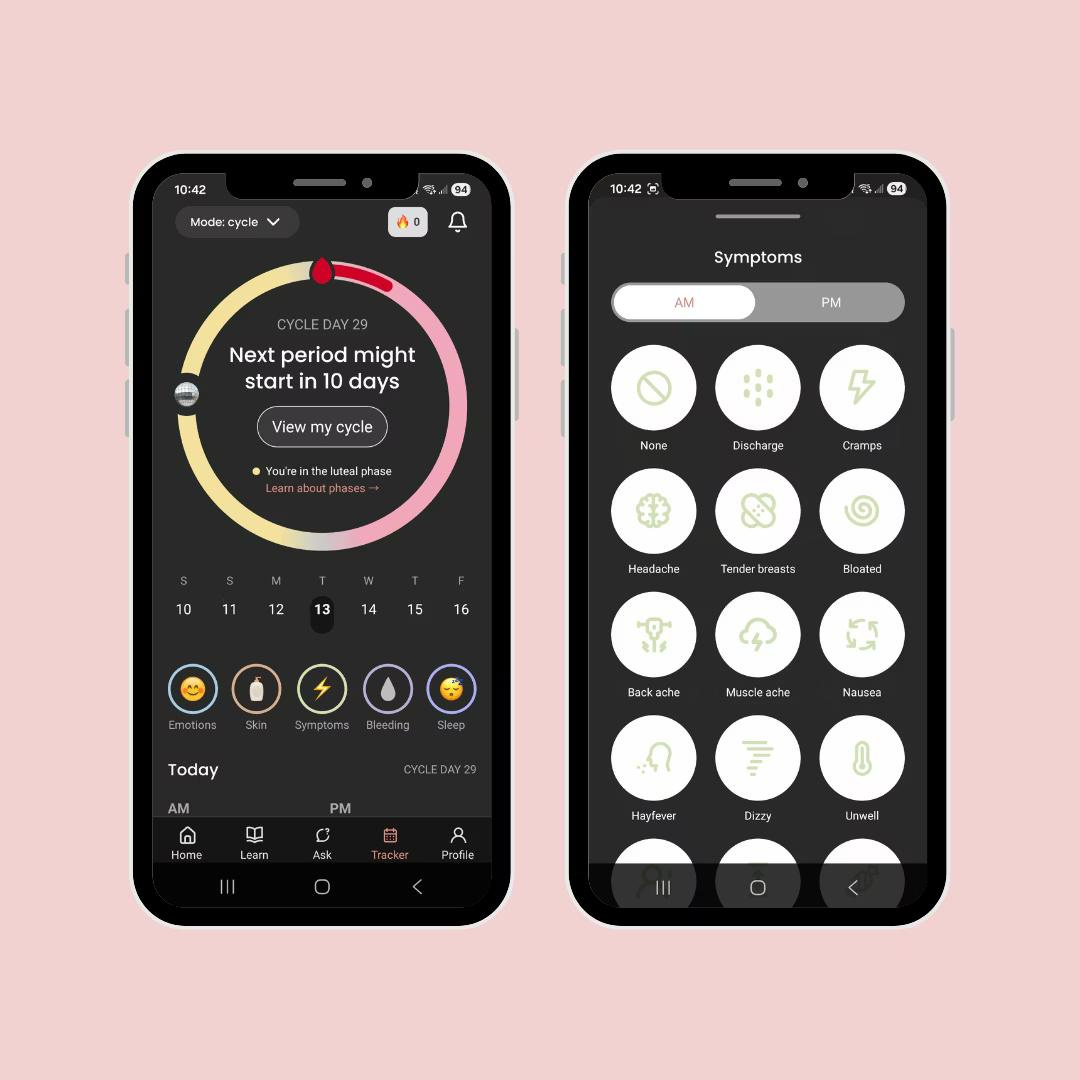
A 2025 report from the University of Cambridge put it bluntly: for advertisers, that data is a gold mine. The financial value of it is, in their words, vastly underestimated by the people handing it over, and the market around it is barely regulated. The concern isn't that an app knows your cycle. It's what happens when that information is packaged, sold to third parties, and used in ways you never agreed to. The report's authors raised genuinely serious possibilities, from health insurance discrimination and workplace monitoring to cyberstalking, and, in some places, implications for abortion access.
This isn't hypothetical. In 2025, a US jury found Meta liable for collecting personal health data through the Flo app without proper consent, under California privacy law. But this is not only a US story. Flo is a UK-based, global app with hundreds of millions of downloads, and related class actions have already been certified in Canada, with UK claims being explored too, where data protection law equally applies. The big names, Flo and Clue among them, are the ones most people use, which is exactly why the scale matters. And because this data usually lives on a company's cloud servers rather than just on your phone, it can be requested or handed over, which is the genuinely worrying part in places where reproductive care is restricted or criminalised.
The frustrating part is that the protections often exist on paper but aren't enforced. In the UK, for instance, menstrual data is legally treated as a special, sensitive category, similar to genetic information. The Cambridge researchers argue the problem is that this data still gets collected and shared with, as they put it, no meaningful consent.
So what do you actually do with this? Not panic, and not necessarily delete anything. Just log in a little more consciously.
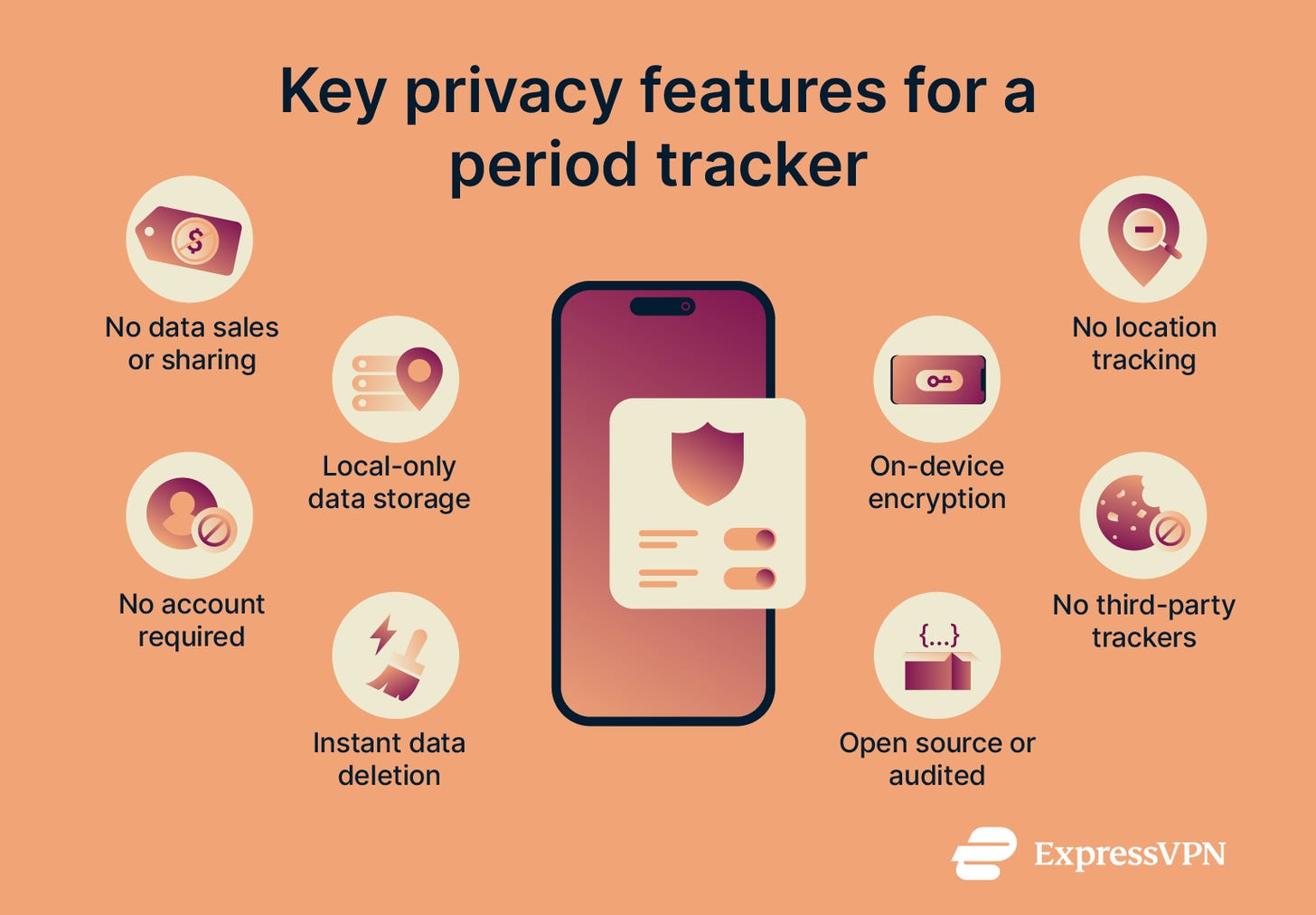
A few practical habits: read what you're agreeing to when you sign up, and check whether the privacy policy mentions selling or sharing data with third parties. Favour apps that store your data locally on your phone rather than in the cloud, or ones that state plainly they don't sell it. Log only what you're comfortable having on record. And keep an eye out for non-profit or public-health alternatives, which the Cambridge team argues we badly need more of, since they aren't built to turn your body into an advertising segment.
The tool is good. Just know what you're handing over to use it.
Originally published at jadepeak.com.
