

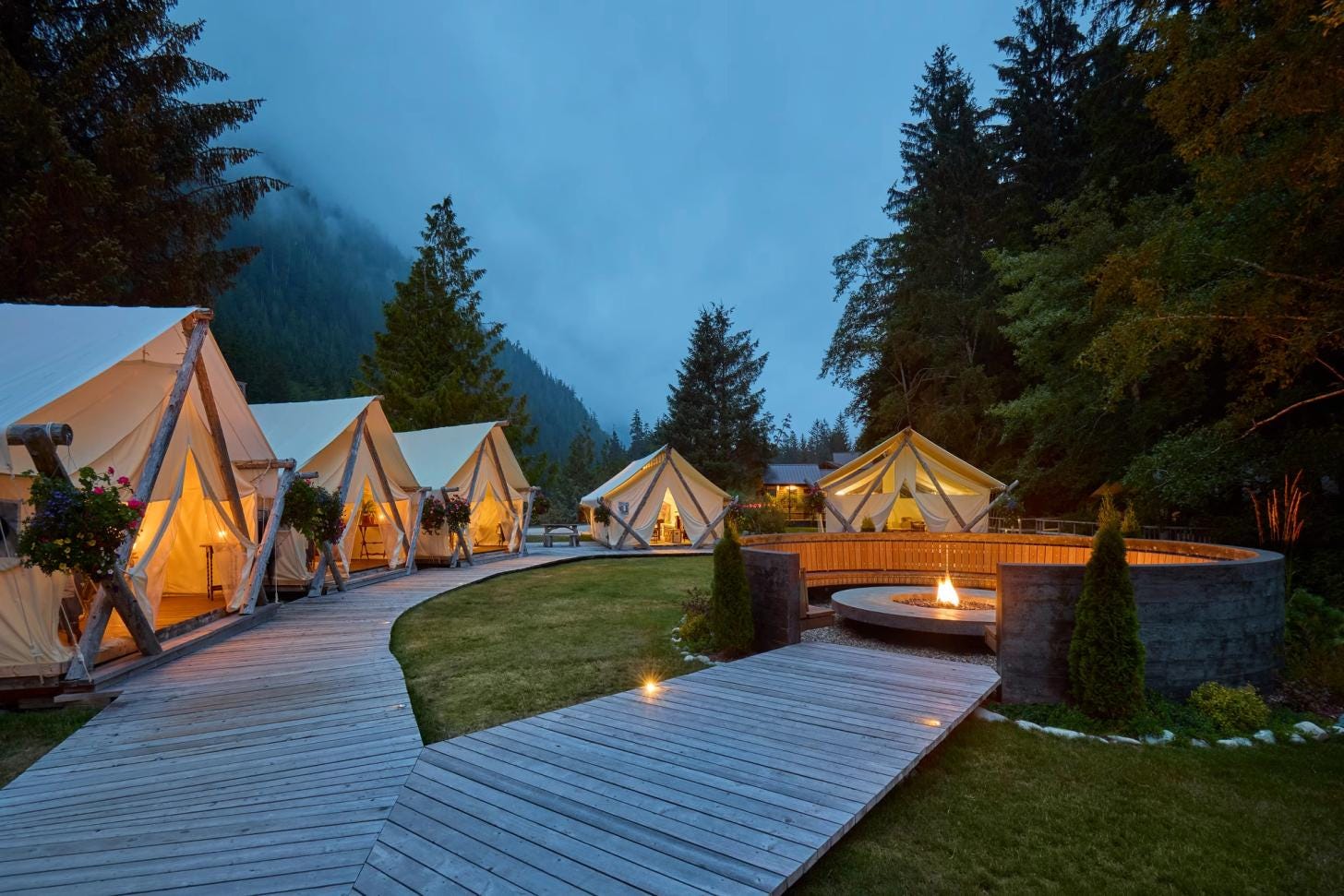
As European summers get hotter, a growing share of travellers are booking against the sun. The European Travel Commission reports that 28% of European travellers now actively seek cooler-climate destinations to avoid extreme heat. Travel companies have started calling this shift the “coolcation”: a summer trip planned around cooler weather rather than the traditional beach escape.
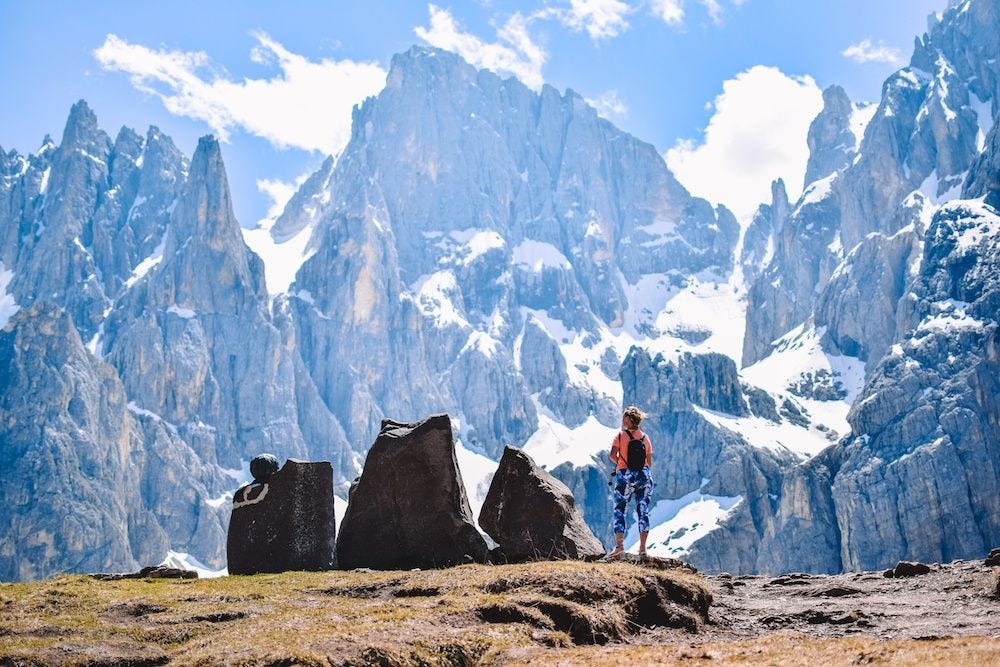
This shift is also connected to the wider rise of outdoor travel. Hiking, cycling, trail running, kayaking and nature-based experiences have moved from niche interests to mainstream summer plans. Cooler destinations are not only offering relief from the heat; they are offering a different type of holiday built around movement, exploration and time outside.
The driver is climate. In 2024, Europe experienced its warmest year on record, and rising temperatures are pushing travellers who once headed straight to the Mediterranean towards higher ground and higher latitudes.
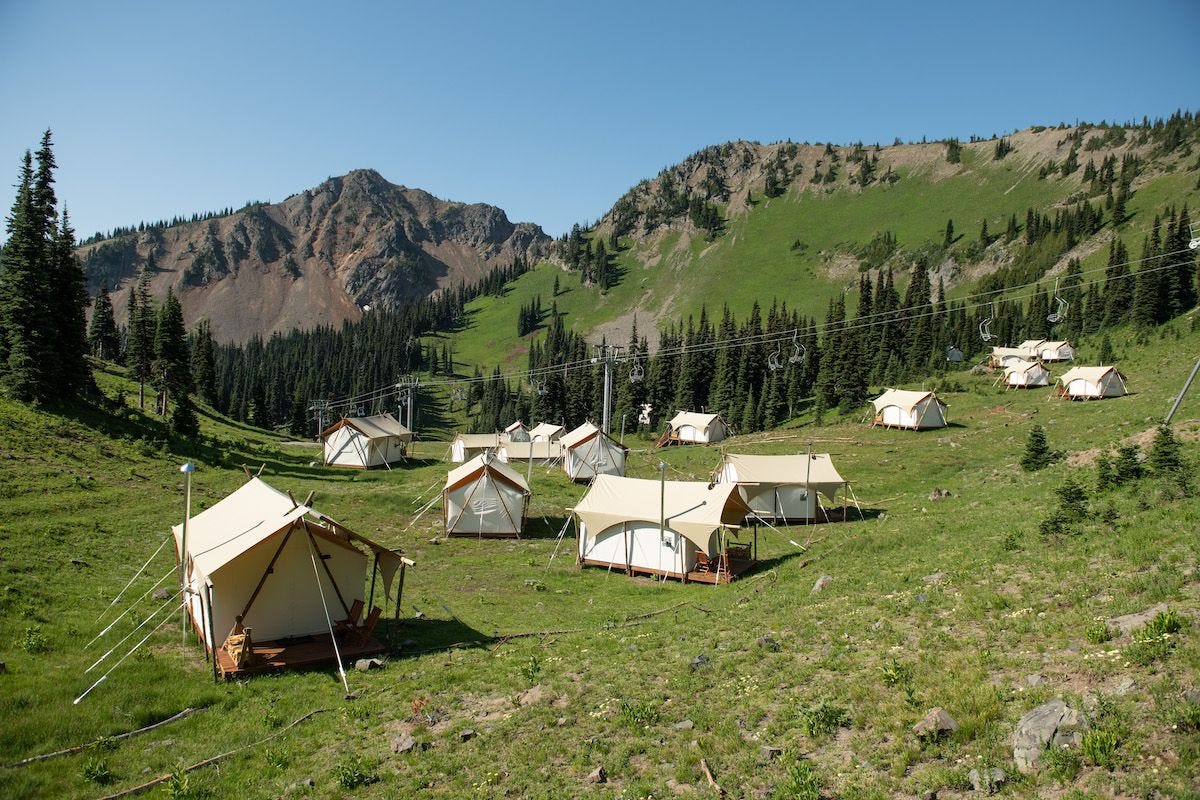
In Spain, Andalusia and the Costa del Sol remain the classic summer draws, but there is a growing interest in the greener north as a heat refuge. Asturias, the gateway to the Picos de Europa, along with Cantabria, Galicia and the Basque Country, are attracting more summer visitors than before. Cooler July and August temperatures, a growing appetite for rural and nature-based tourism, and improved transport connections over the past decade are all helping accelerate the shift.
For many travellers, northern Spain now offers a different vision of summer: coastal walks instead of crowded beaches, mountain trails instead of extreme heat, and a slower pace built around food, nature and outdoor experiences. The region’s combination of Atlantic coastline, green landscapes and access to hiking routes has made it increasingly attractive to visitors looking beyond the traditional Mediterranean holiday.
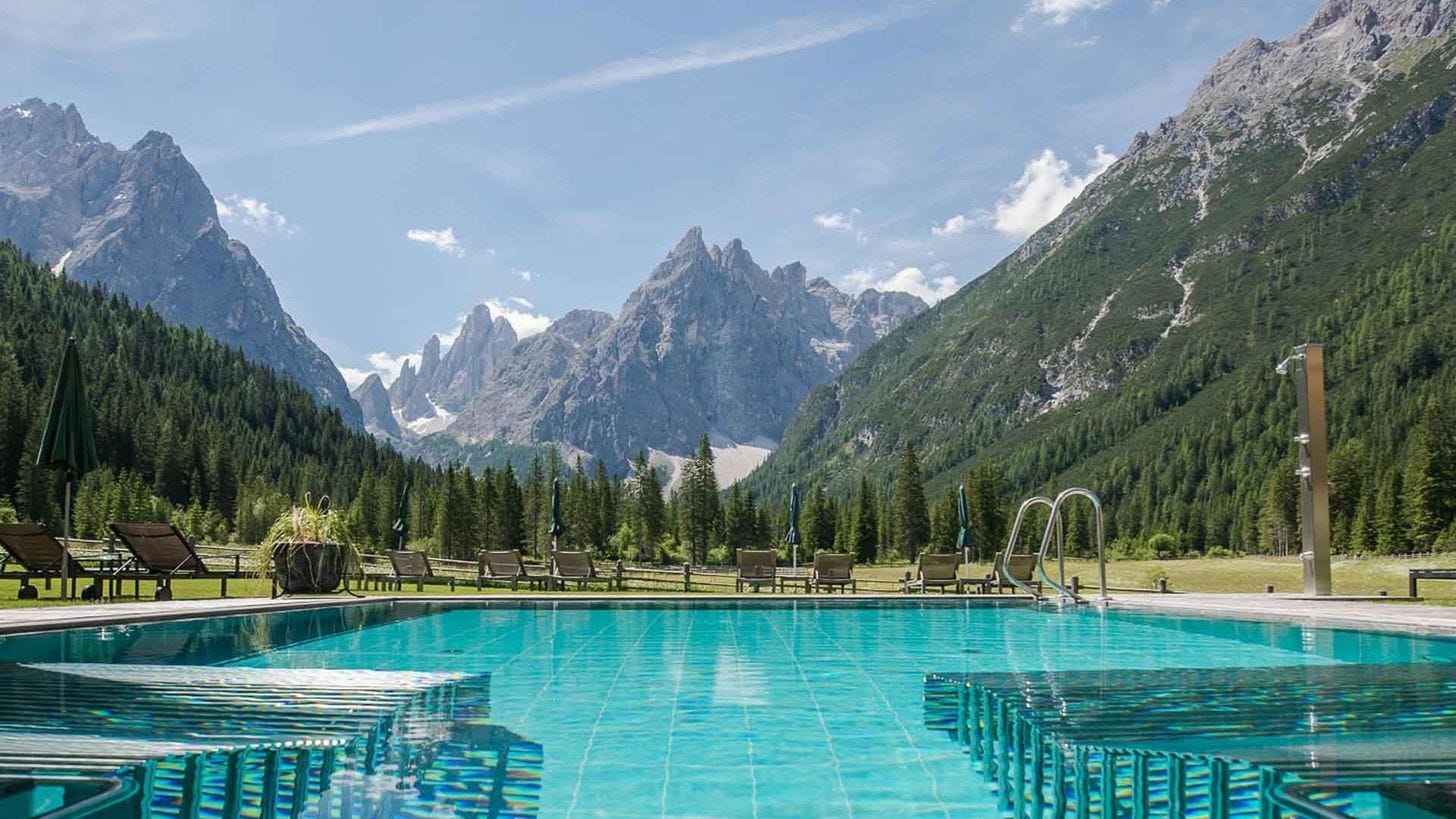
France is showing a similar pattern to its neighbour. French travellers are increasingly turning towards the mountains and cooler destinations nearby, with Switzerland standing out as one of the main beneficiaries. Northern Spain has also become increasingly fashionable among French travellers, although Catalonia still benefits from its proximity.
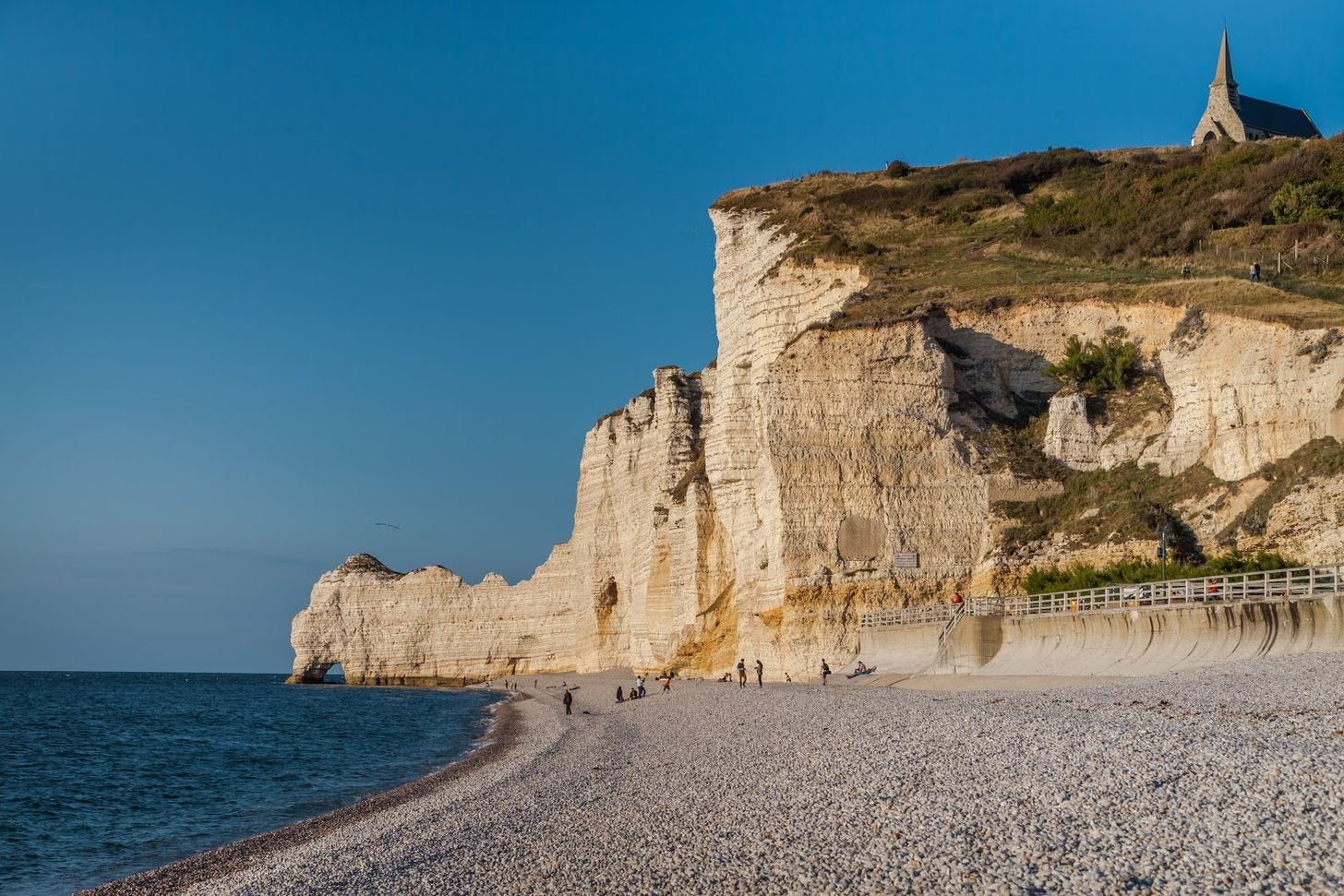
There is also growing interest in northern Italian lakes and a clear movement towards Atlantic destinations: Brittany, Normandy and the French Basque coast. Deauville is a telling example. The elegant Normandy resort has long been the cooler summer escape for Parisians an easy coastal retreat that becomes more attractive as temperatures rise.
The United States is following a similar instinct, even across a different geography. As extreme heat affects the Southwest, cooler summer destinations such as Washington, Maine, Vermont, Montana and Alaska are becoming increasingly appealing, alongside trips north into Canada.
Seattle is a useful example. The city and surrounding regions have seen growing interest from summer visitors looking for cooler temperatures combined with outdoor access. The appeal is not only the weather, but the lifestyle around it: hiking in the Cascades, kayaking, cycling, national parks and time spent outdoors.
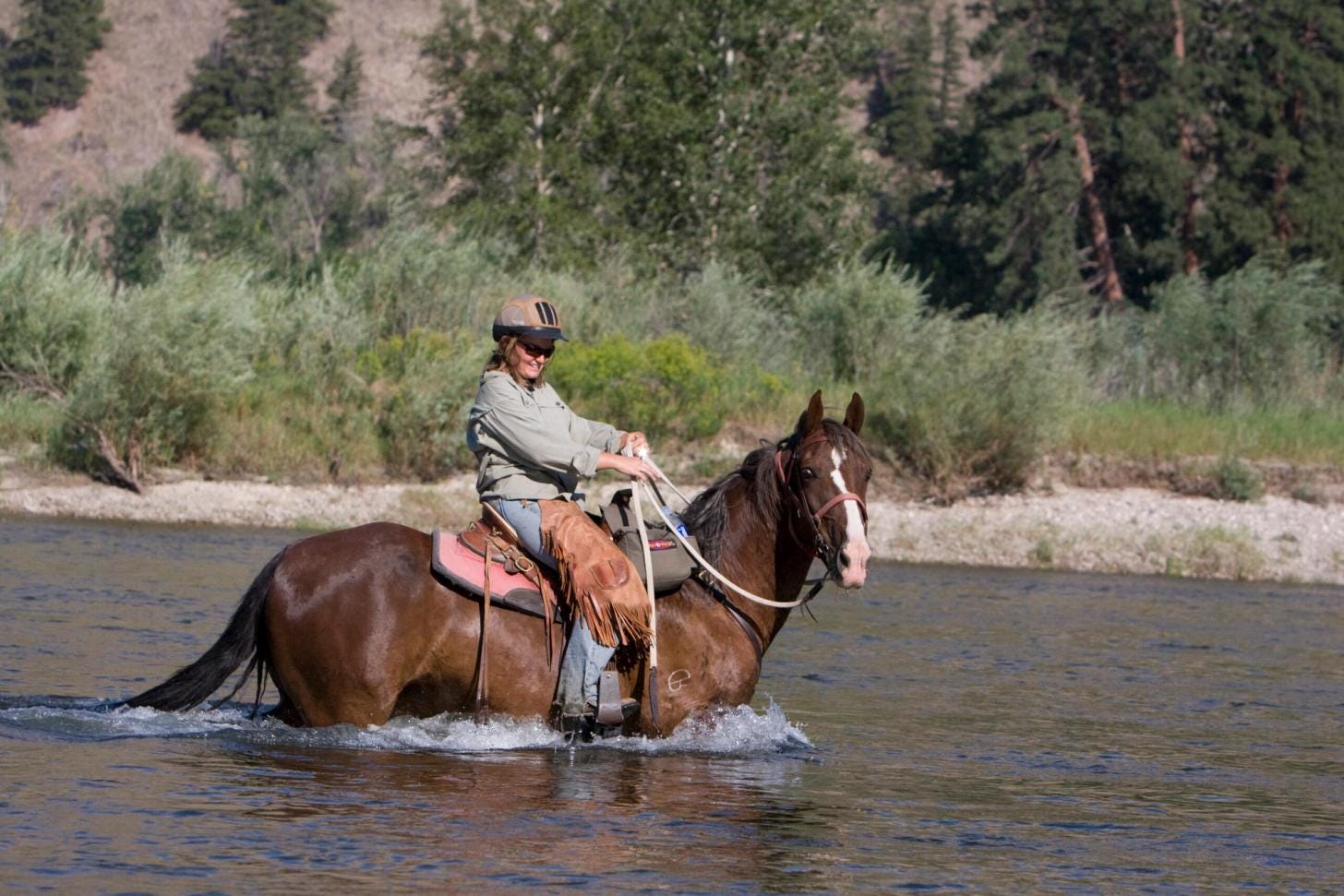
This growth follows the wider rise of adventure travel. Travellers are increasingly choosing destinations where they can combine relaxation with activity places where a summer holiday means exploring a landscape rather than simply escaping to one.
This looks less like a short-term trend and more like a long-term shift, driven by climate change and reinforced as infrastructure catches up. Better rail connections, more rural accommodation options and a wider choice of outdoor experiences are making cooler alternatives easier to choose and booking data is already reflecting that change.
For now, the summer map of Europe and North America is being redrawn around a new priority. The beach is no longer the only definition of a summer escape. Increasingly, travellers are looking for cooler air, open landscapes and destinations that allow them to move, explore and spend more time outdoors.
Originally published at jadepeak.com.
