

Disclosure
Jade Peak writes about places, experiences, and the people behind them, so hotels, operators, and companies come up often. We have no financial relationship with any entity named in this article. If that ever changes, we'll say so plainly, right here at the top.
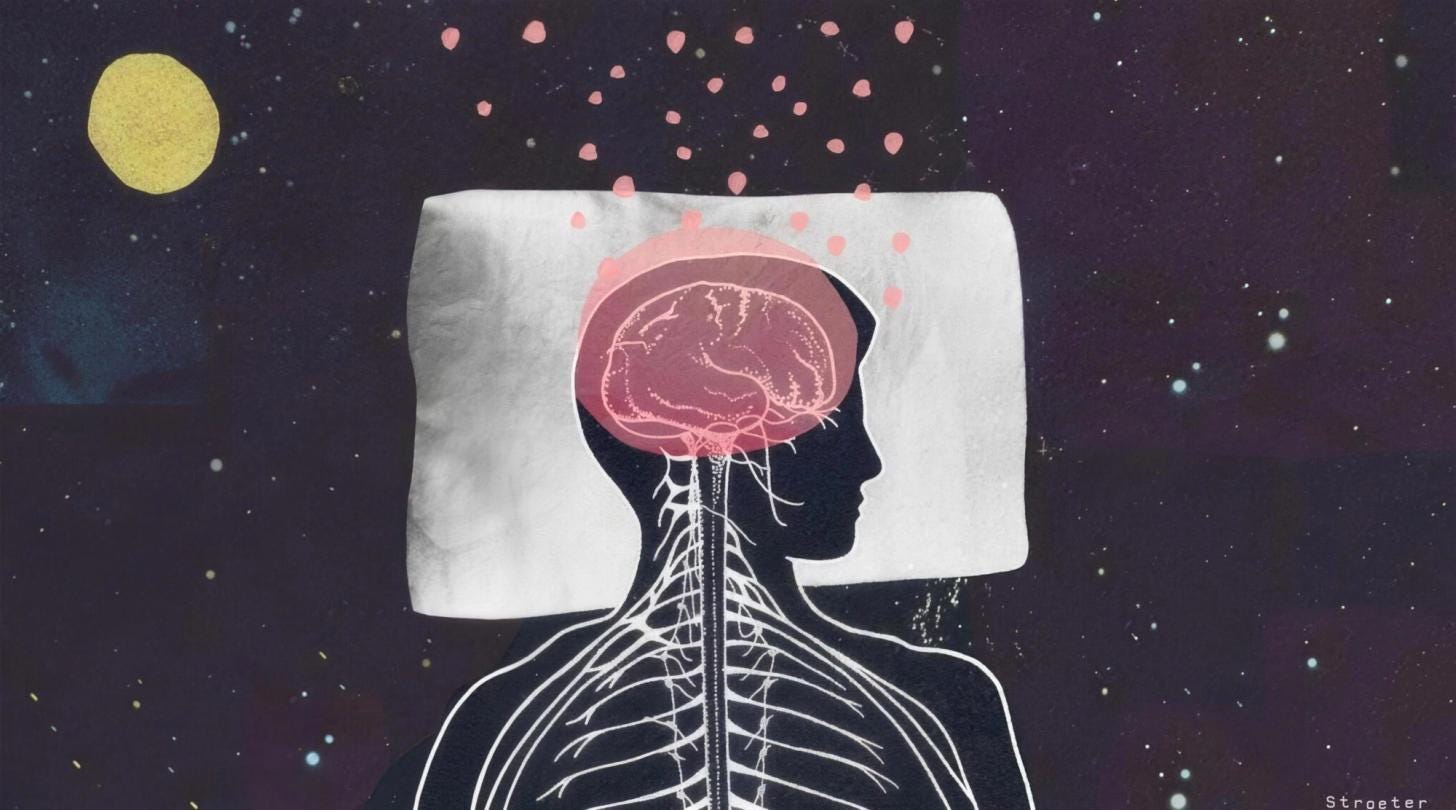
There's a certain type of person who treats sleep as a personal weakness. You know the one. "I'll sleep when I'm dead," running on five hours and a cold brew, weirdly proud of it. We've met them. We've been them, honestly. Here at Jade Peak, Marina has been exactly that person, the one who kept skipping sleep because there was simply too much work to get through.
So this one is a gentle intervention.
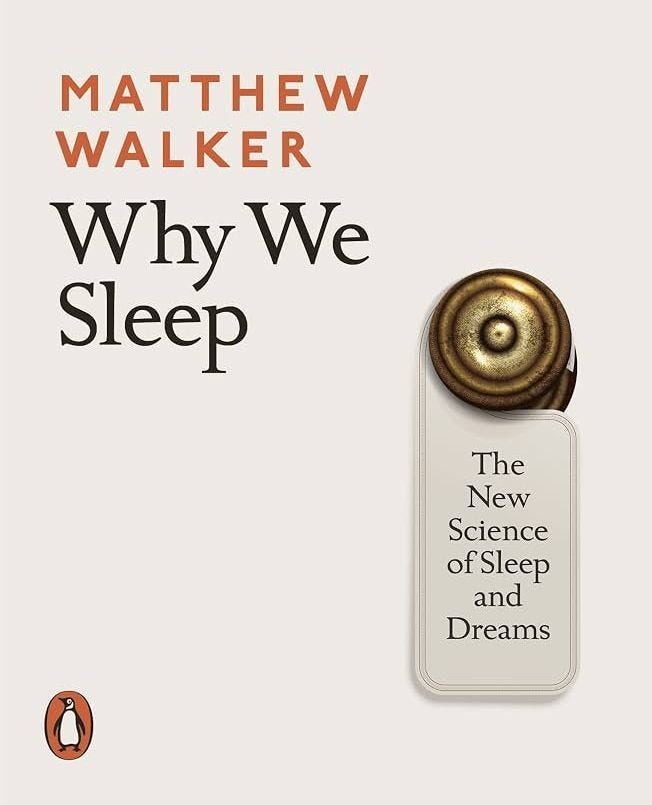
The go-to reference here is Dr. Matthew Walker, the Berkeley neuroscientist behind Why We Sleep. Both of us read his book, and this article is really a product of that. His whole argument is basically that sleep isn't downtime at all. It's one of the most biologically active things your body does in a 24-hour period. While you're lying there doing "nothing," your brain is running a full night shift.
Roughly every 90 minutes you cycle through two very different phases. Deep NREM sleep is the physical repair shop: muscle recovery, growth hormone, filing away the facts you learned that day. It's also when the brain flushes out toxic waste through the glymphatic system, clearing the proteins associated with Alzheimer's. Then there's REM, the dreaming stage, which Walker describes as a kind of emotional first-aid, and which also helps keep your cardiovascular system in check. One patches up the body, the other patches up the mind. You need both, which is the whole point of a full night.
Now the part nobody wants to hear. Walker puts the sweet spot at 7 to 9 hours, and the slice of people who genuinely function on six or less is essentially zero. Most "I only need six" people are just too tired to notice how tired they are. And no, you can't bank it and cash out on Sunday. The debt just quietly compounds. The kicker: moderate sleep loss can dent your brain about as much as being mildly drunk. Sobering, if you'll excuse the word.
At Jade Peak this one hits close to home, because a life of travel and early flights is basically a machine for wrecking your sleep. What we've taken from the research is almost boringly simple: it's less about one heroic ten-hour night and more about consistency. Walker's four pillars are depth, duration, continuity, and regularity. These days we actually prioritise sleep, something neither of us really used to do, and the difference has been hard to ignore.
Which is a fancy way of saying: go to bed. Roughly the same time. Most nights. Your body is doing a lot of work down there, and the least you can do is give it the hours.

Sleep is a health topic, so the usual: this is general info, not medical advice. If your sleep is genuinely a mess, that's a conversation for a doctor, not a website
Originally published at jadepeak.com.
