

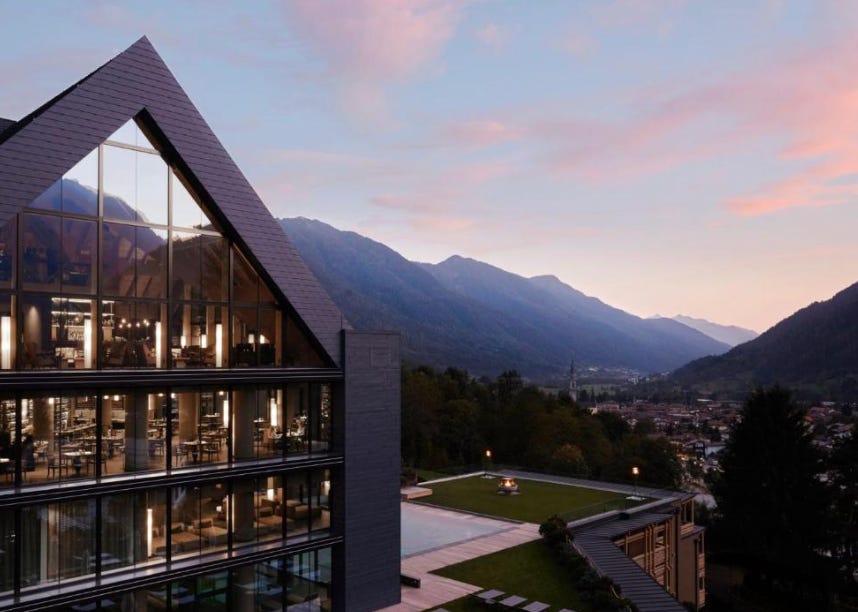
When we think about Lefay, we do not picture someone chasing another luxury hotel or collecting destinations for Instagram.
We picture someone who works hard, spends most of the year moving quickly, and occasionally realises they are far more tired than they would like to admit.
Someone who enjoys being active but has little interest in turning recovery into another performance metric. Someone who appreciates beautiful places but still wants them to feel connected to the landscape around them. Maybe they travel alone. Maybe they travel as a couple. Either way, they are looking for something quieter, more grounded, and a little less performative than what usually dominates the luxury travel conversation.
That is what makes Lake Garda, and Lefay in particular, so interesting.
The Italian Lake Americans Still Haven’t Fully Discovered
For years, Lake Como has been the American shorthand for Italian luxury. Old villas behind cypress trees. Hollywood weddings. Wooden Riva boats crossing perfectly still water. Wedding weekends that cost at least one kidney between you and your closest friends, all designed for a camera before a guest ever arrives.
But ask Italians where they go when they want a slower, more grounded version of lake life, and many point east toward Lake Garda.
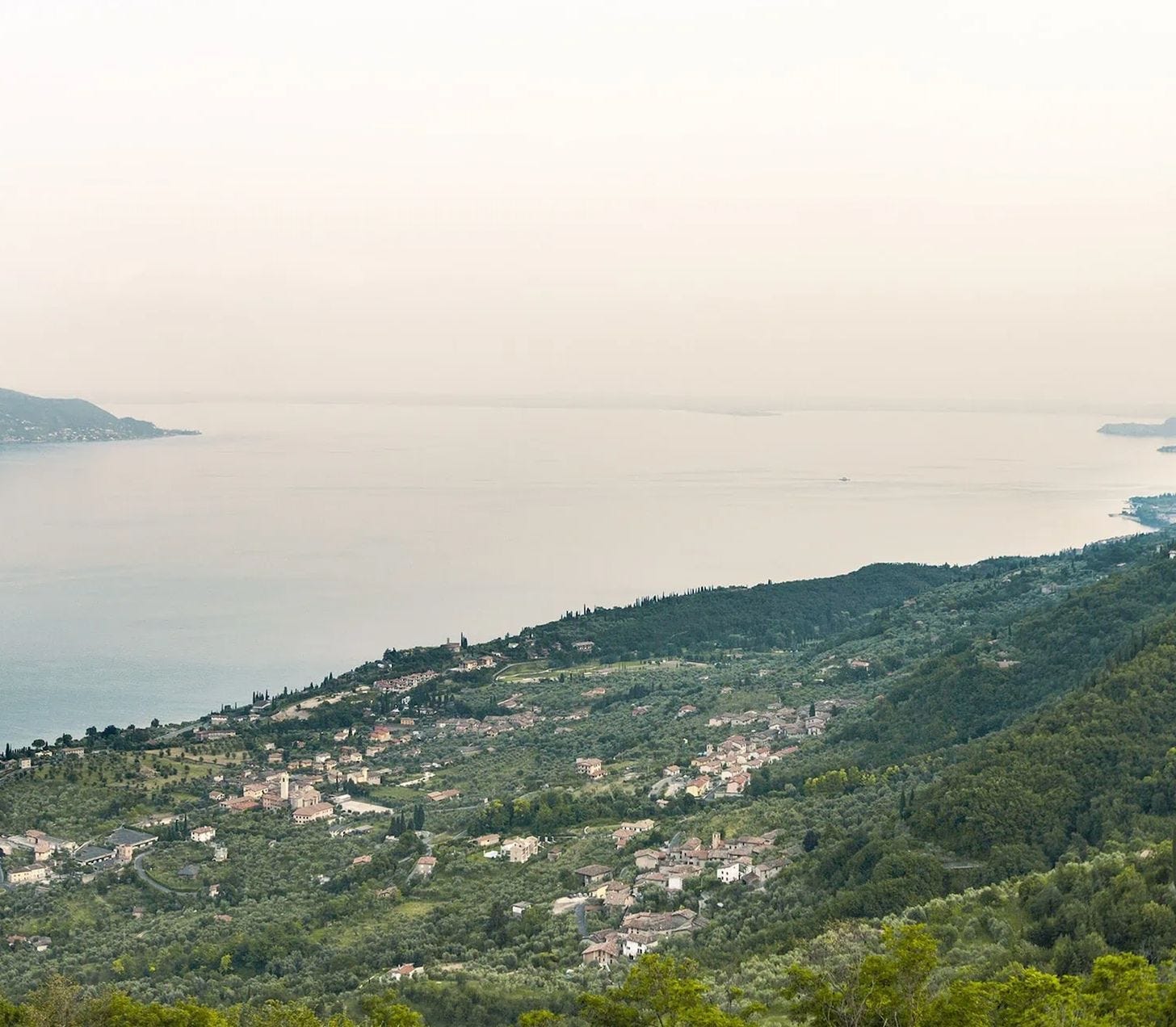
Italy’s largest lake stretches wider, rougher, and more varied than Como. The northern edge attracts cyclists, sailors, and windsurfers. The western shore moves at a slower rhythm, shaped by olive groves, fishing towns, mountain roads, and generations of domestic tourism. Somehow, despite all of that, it remains slightly less consumed by Instagram and TikTok geography.
Hidden in the hills above the lake, surrounded by olive trees and historic lemon groves, Lefay Resort & SPA Lago di Garda feels like a place that understands something many luxury hotels forget:
The landscape is already doing most of the work.
Wellness without becoming another performance review
Luxury wellness hotels often fall into the same trap.
To be fair, so do we.
We know exactly what is being sold to us and still happily pay for the eucalyptus steam room, the expensive herbal tea, and the person gently explaining our stress levels beside a bowl of almonds.
Lefay feels more restrained than most.
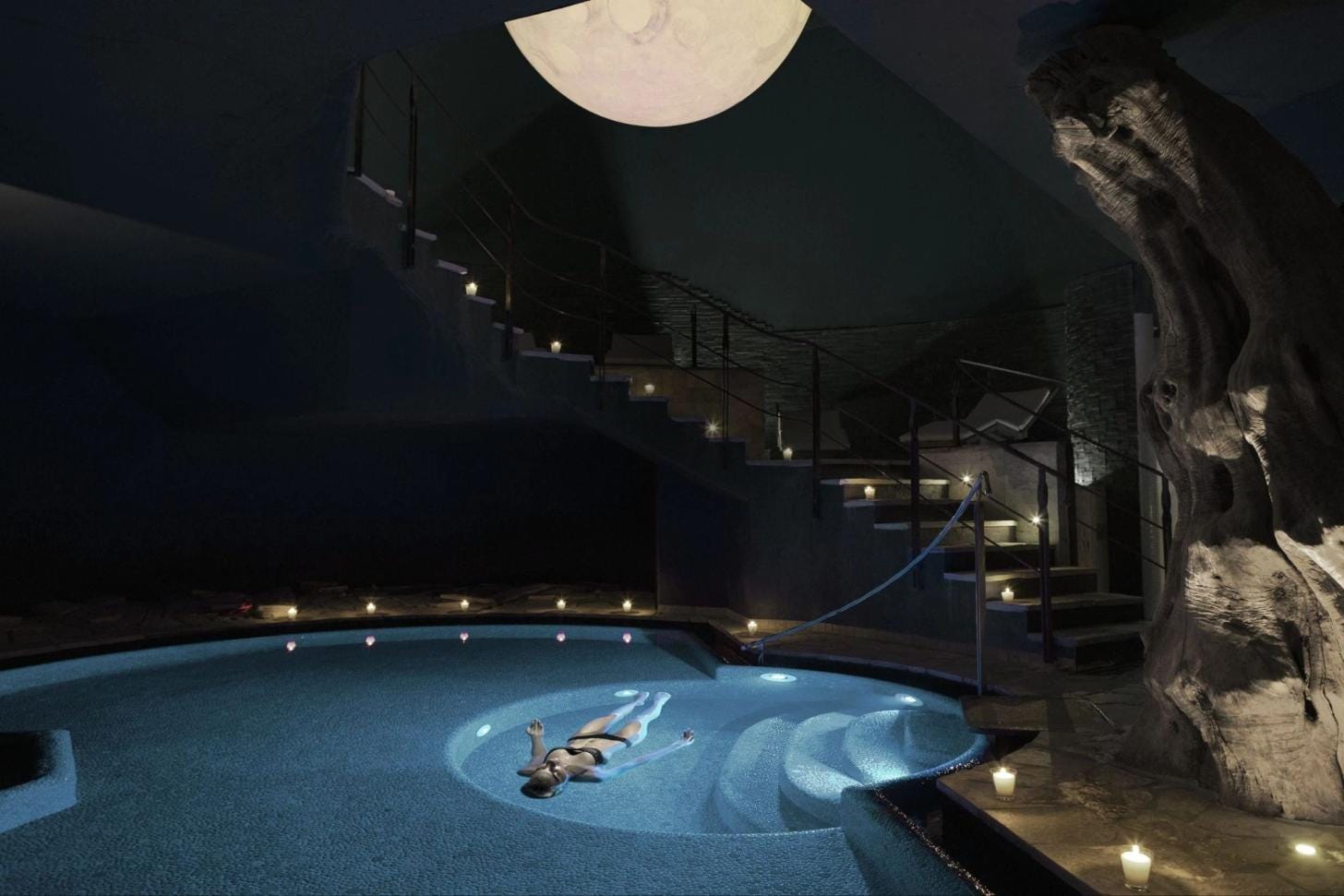
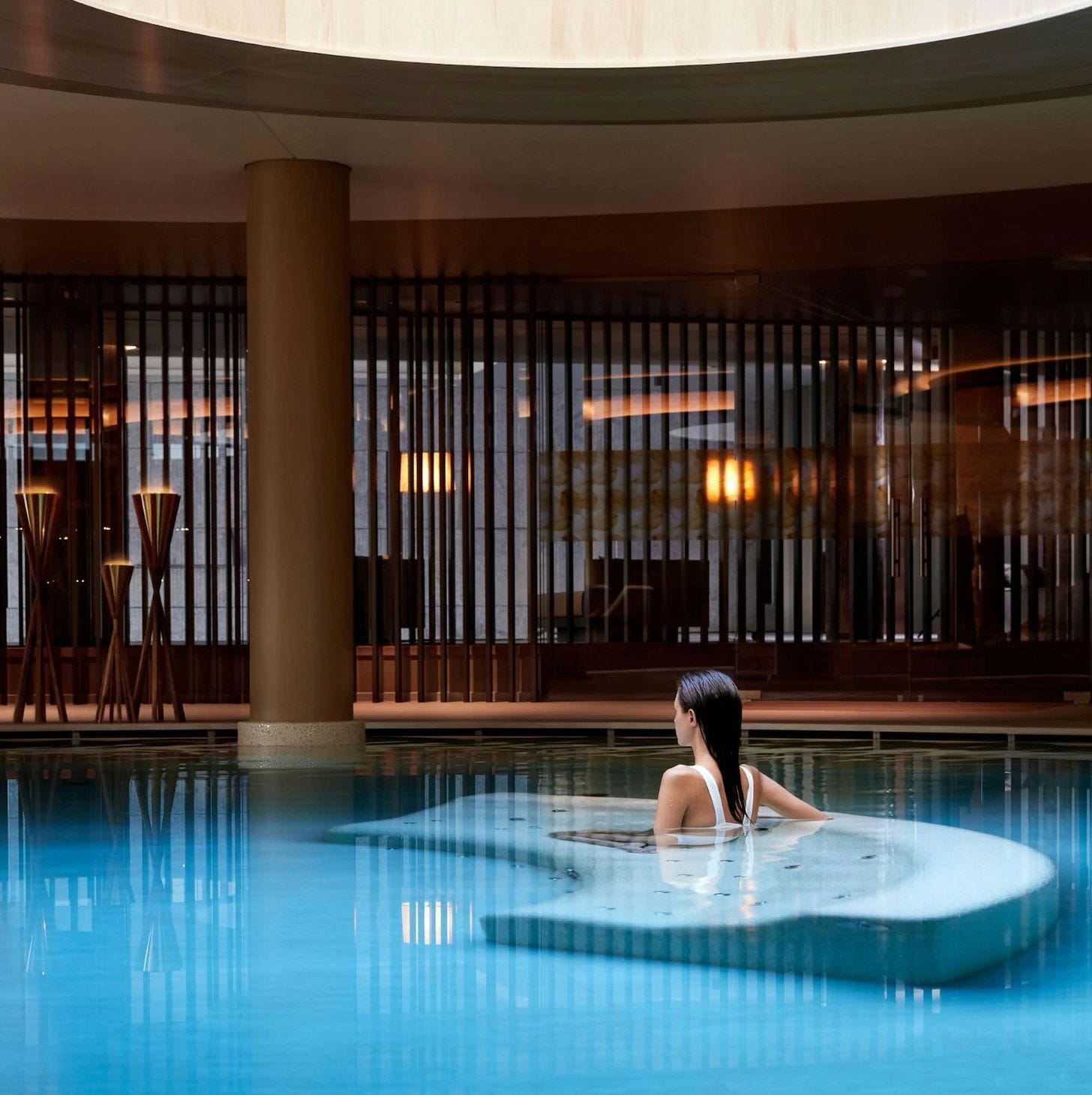
Its wellness philosophy combines Western medicine with principles drawn from Chinese medicine under the guidance of specialists working across psychiatry, nutrition, posture, stress management, and mental wellbeing. Despite sounding clinical on paper, the experience feels surprisingly human.
Guests move through saunas, hydrotherapy pools, treatment rooms, and quiet spaces without being pushed into optimisation culture or, as wellness people would probably call it this year, maximisation culture.
There are breathing sessions, Nordic walking routes, Qi Gong classes facing the mountains, and treatments focused on sleep, recovery, and energy balance.
The atmosphere feels structured rather than trendy.
Recovery that still feels connected to place
One reason Lake Garda feels different from Como is that the landscape asks more of you physically.
In other words, these people expect you to move your body before fully earning the massage.
Which, to be fair, is also very much our philosophy.
Guests can take e-bike routes through Valvestino, hike toward small hermitages hidden among cypress trees, or cross the lake by boat before returning for long lunches built around Garda olive oil, citrus, freshwater fish, and local wine.
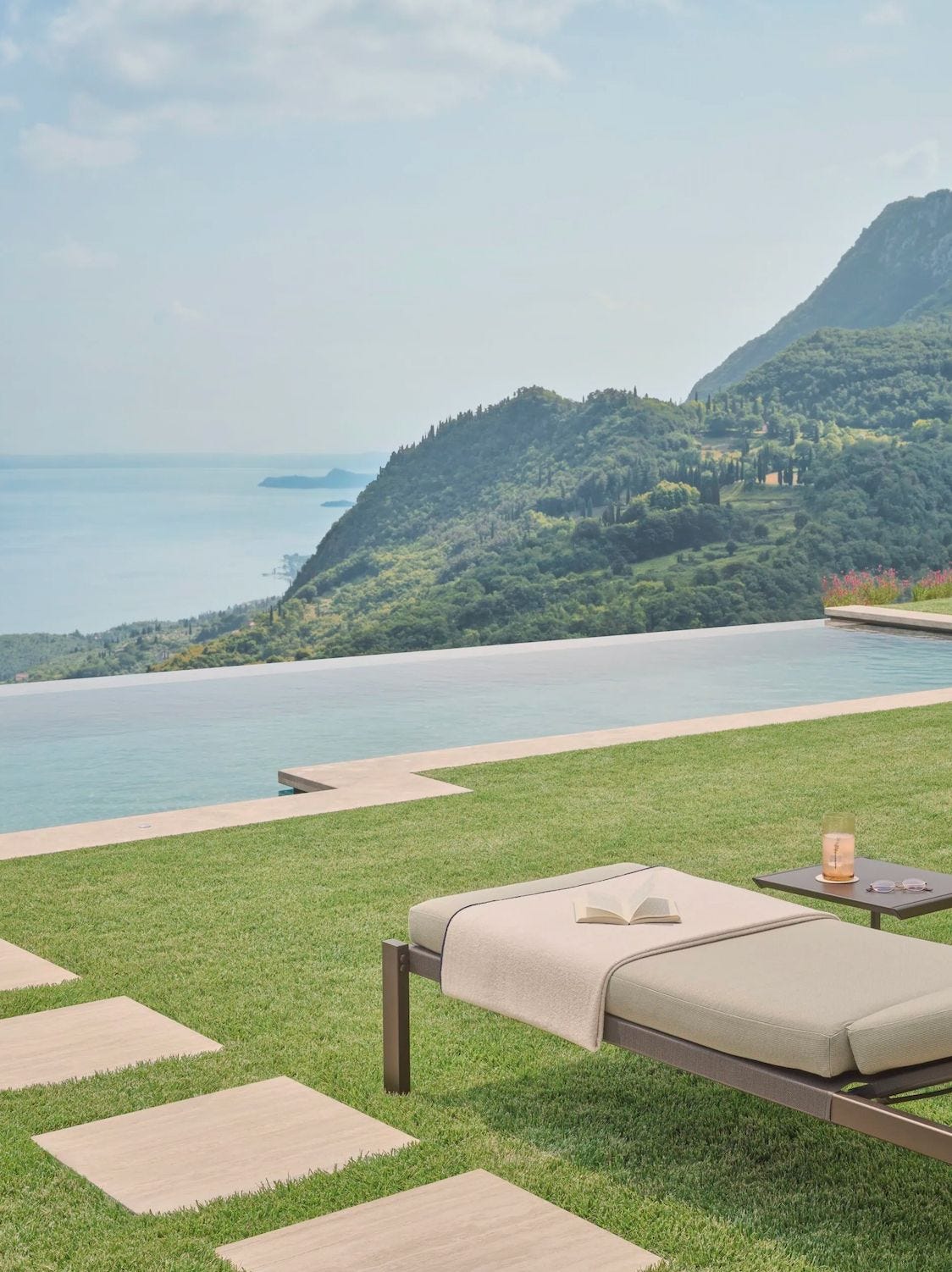
Even the quieter moments remain connected to the setting. A picnic inside the resort’s natural park. Tea overlooking the lake after a treatment. Late afternoon light settled across the lemon groves below Gargnano.
The rooms follow the same logic. Natural materials, open layouts, and terraces keep the landscape constantly present. There are pillow menus, herbal teas selected for sleep and relaxation, and reading spaces overlooking the water, which is useful because you and I both know this may be the only place where that untouched book on your nightstand finally gets read.
The restaurants stay equally grounded in place. At Gramen, chef Matteo Maenza’s menus draw heavily from the lake and surrounding hills, while La Limonaia takes inspiration from the culinary traditions of the Riviera dei Limoni itself. Olive Garden can only dream of reaching this level of self-esteem.
Maybe this is where luxury travel is moving
Lake Como will probably always own the spotlight.
But Garda offers something many travellers eventually begin looking for instead: a version of luxury that feels quieter, more physical, and less staged.
Places like Lefay work because they do not try to become the destination. The resort provides comfort, structure, and recovery while the lake remains the main character.
There is no man loudly explaining over aperitivo that Leonardo DiCaprio may or may not have bought the villa next door.
Instead, ferries cross the water alongside sailboats. Locals swim from stone beaches in the morning. Weather moves through the mountains and changes the atmosphere of the lake within hours.
Lake Garda still feels lived in.
And that may be the most valuable luxury left.
Originally published at jadepeak.com.
