

Disclosure
Jade Peak writes about places, experiences, and the people behind them, so hotels, operators, and companies come up often. We have no financial relationship with any entity named in this article. If that ever changes, we'll say so plainly, right here at the top.

Probably you’ve seen friends wearing them, or spotted them all over social media. There’s even a quiet battle between the two latest devices now.
Here at Jade Peak, we want to break down what actually matters why they are useful, what real users (not just paid reviews) are saying about them, and what the newest versions actually add.
Because we’re the same as you: consumers of health and wellness, trying things, questioning things, and not particularly interested in throwing money at hype.
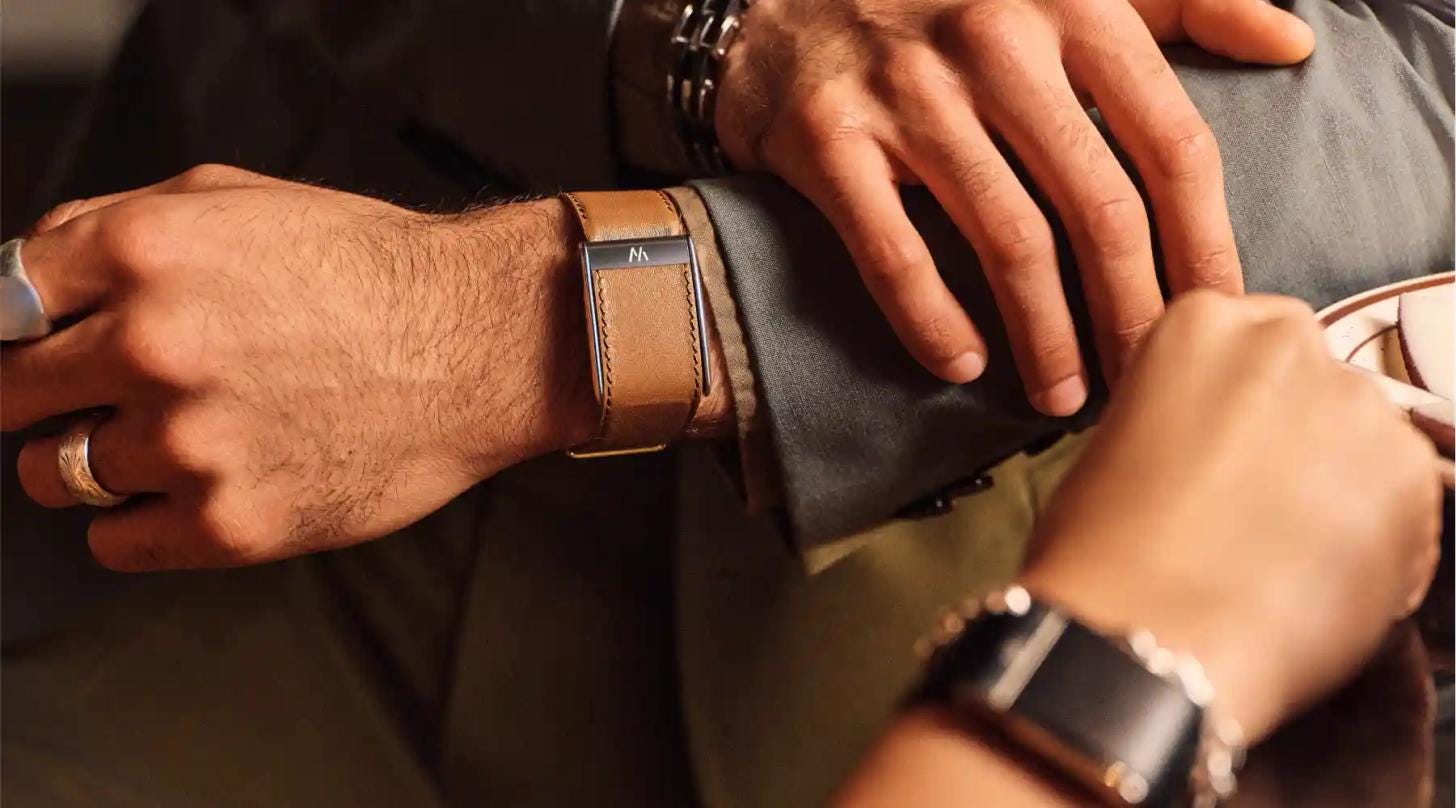
Whoop: recovery you don’t really see
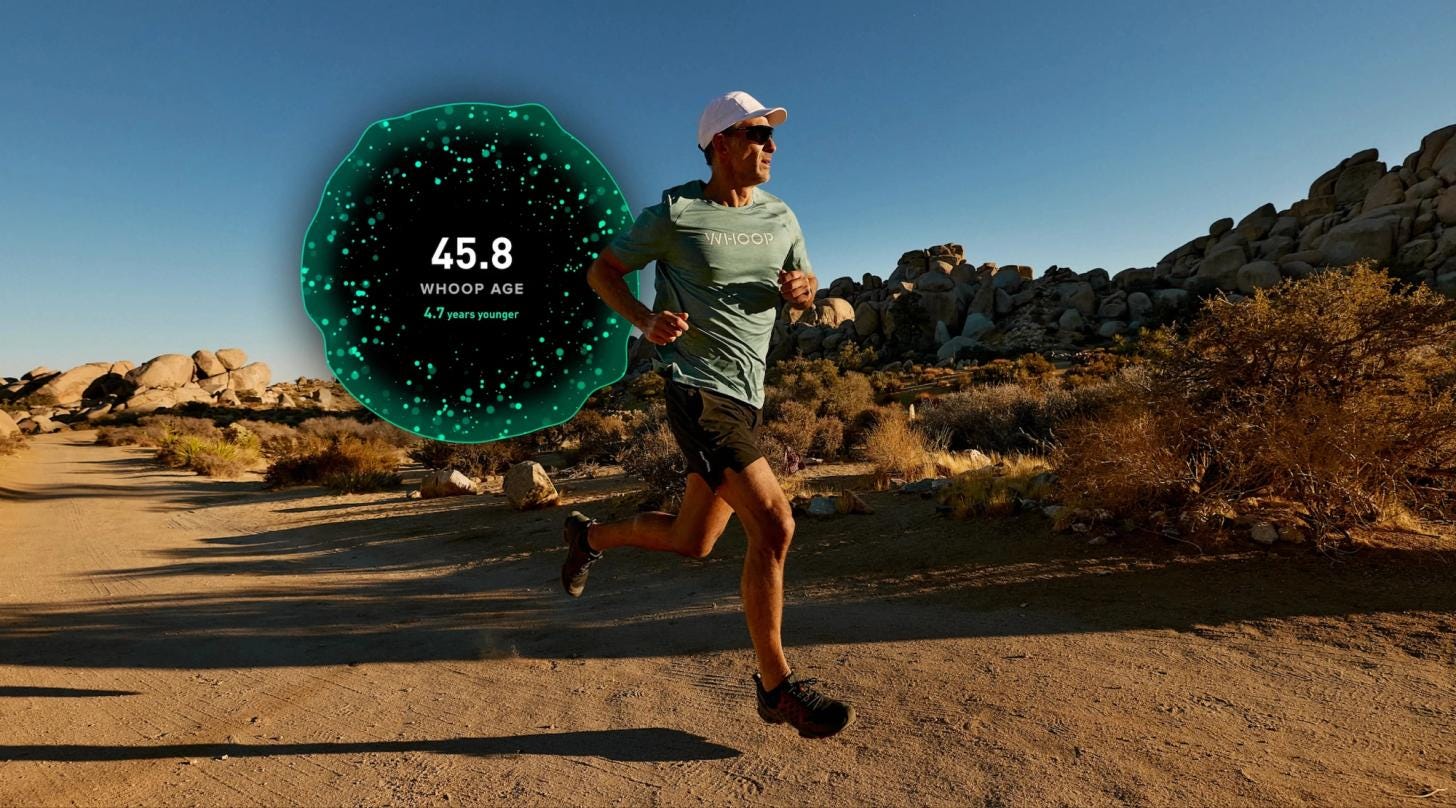
Whoop is a screenless wearable band focused on performance and recovery.
You wear it 24/7 and it continuously tracks sleep, strain, heart rate and recovery levels. The idea is simple: instead of telling you how many steps you did, it tells you how ready your body is for another hard day.
The newer version, Whoop 5.0 / MG, has longer battery life, faster processing and more advanced health features like improved strength training detection and even ECG-based heart insights in its premium model.
It’s essentially built for people who train seriously and want to understand when to push and when to stop. In other words if you don’t track and change your performance with the information you get you basically waste money. One of the most famous users is Bryan Johnson, the creator of the Blueprint protocol and the subject of the Netflix documentary Don't Die: The Man Who Wants to Live Forever. He has used Whoop as part of his data-driven approach to health, tracking recovery, sleep and daily strain. In many ways, Whoop reflects the same philosophy: measure first, then decide how hard to push.
Oura Ring: invisible tracking in a small object
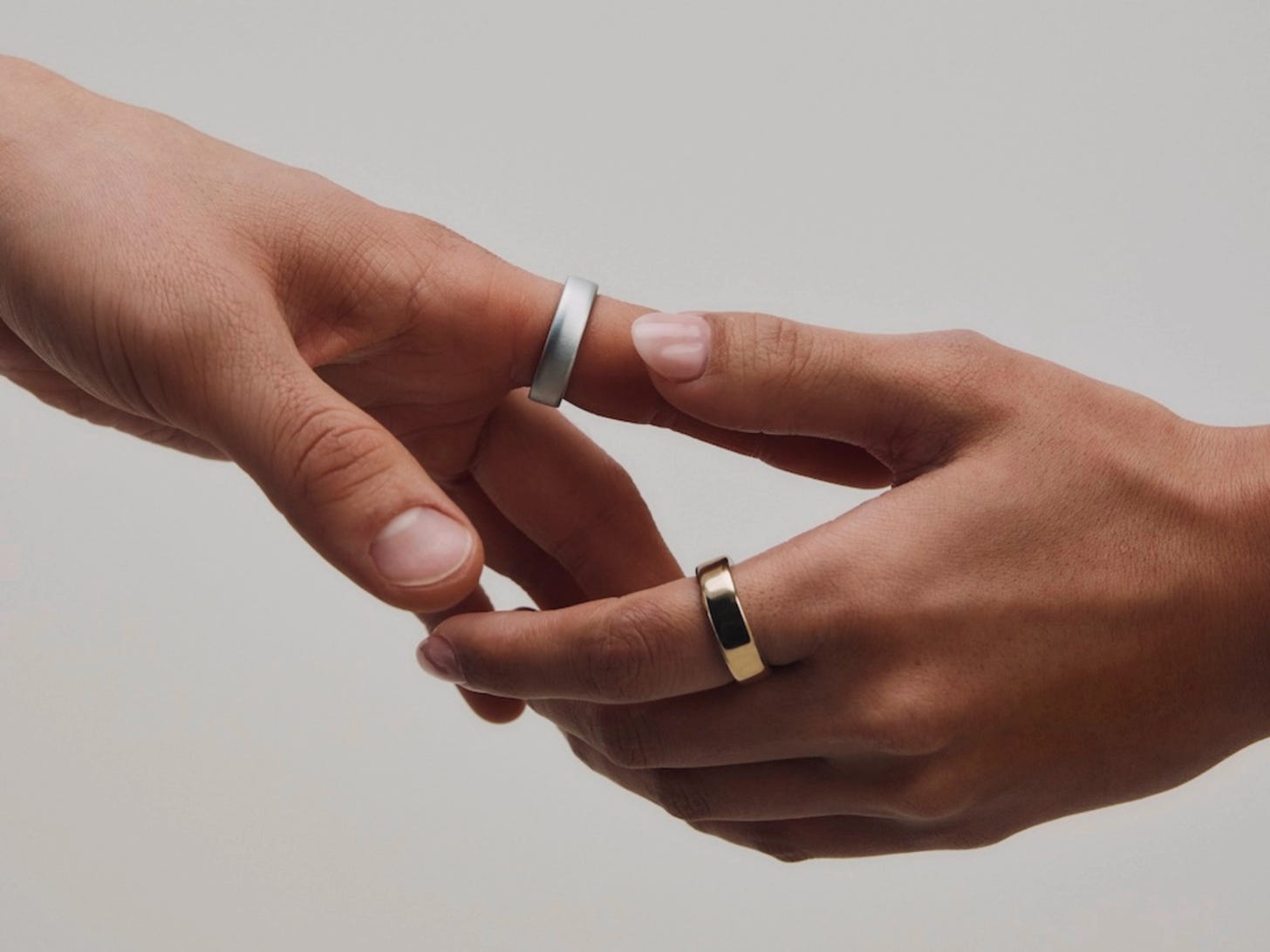
Oura Ring looks more invisible but also has a slightly different approach. We first noticed them during the Paris 2024 Olympic Games. Once you start paying attention, you see them everywhere. Athletes, coaches, people in wellness circles.
Instead of a wristband, it hides the technology inside a ring. It tracks sleep, readiness, temperature, heart rate and daily activity.
The latest generation, the Oura Ring 5, is smaller and more refined than previous versions, with improved sensors and longer battery life. What we keep hearing from people who have used Oura for a long time is that the value is not really in tracking yesterday. The value comes after weeks and months, when the ring starts helping you understand patterns you would never have noticed on your own. How alcohol affects your sleep, how stress shows up before you feel it, or why some days you wake up exhausted despite spending eight hours in bed.

Why people actually wear them
If you look at Reddit discussions and real user feedback, the pattern is surprisingly consistent.
People rarely say they bought these devices to become “biohacked athletes.”They were simply curious enough to understand their health better and willing to make small improvements over time. Honestly, we saw a lot of ourselves in that. These devices are not really about technology anymore. They are also about commitment.
They start noticing patterns they didn’t expect: how alcohol affects sleep, how stress shows up physically, how recovery changes their performance without them realising.
But there’s also a limit. The data is only useful if you actually do something with it, adjust training, stop drinking because it’s Friday, sleep better, slow down, easy to say difficult to do. These devices are not really about technology anymore, it's also about your commitment.
Originally published at jadepeak.com.
