

Are you a woman? You’ve probably seen this trend and wondered if you should include it in your routine or if it’s just too much extra effort.
Sometimes it feels like it complicates everything even more, especially when you’re not even sure when your period is coming. And on top of that, dealing with monthly pain or discomfort is already enough. At Jade Peak, this is something that has caught our attention.
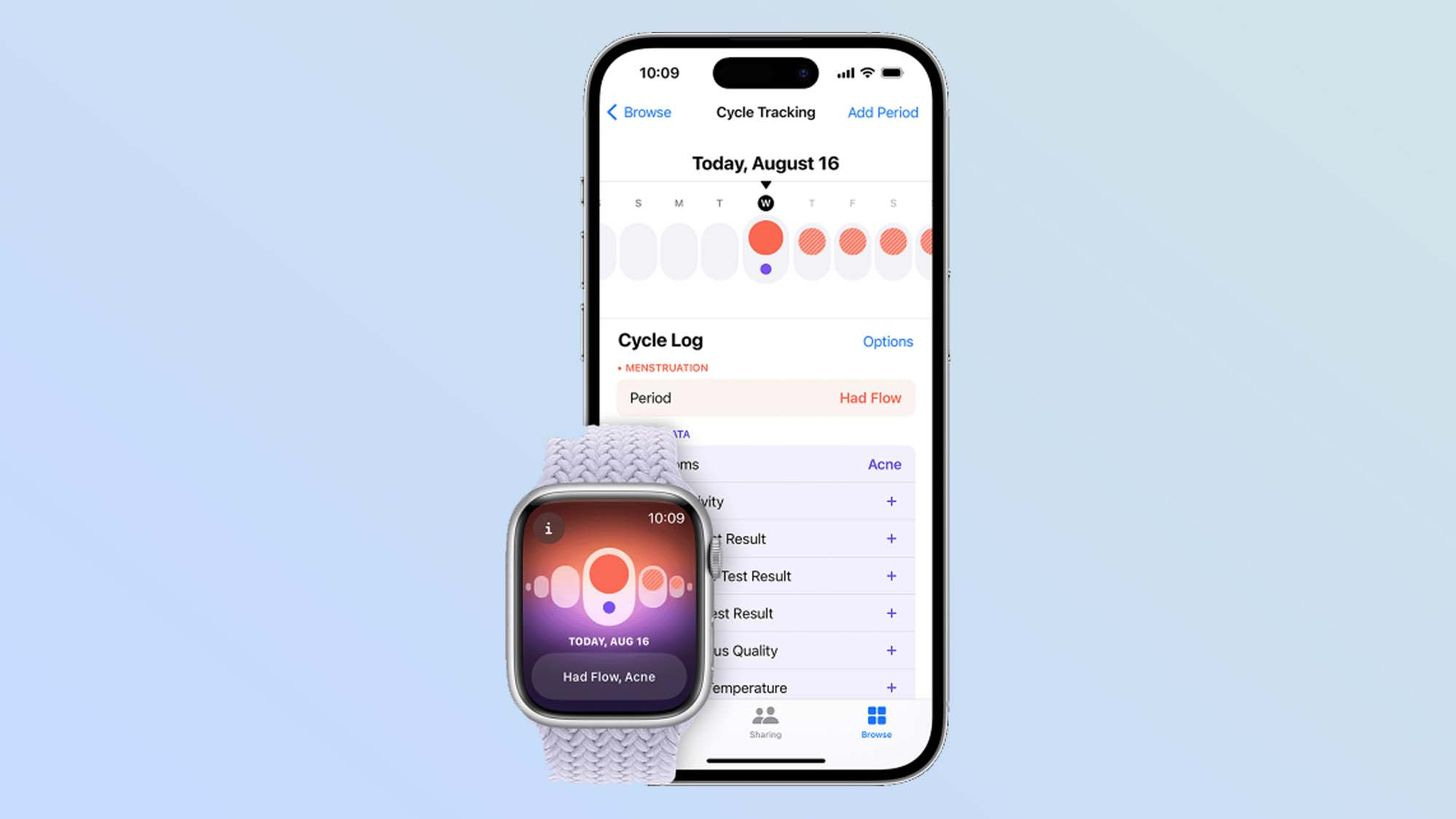
Recent large-scale research, including findings from the Apple Women’s Health Study (Harvard T.H. Chan School of Public Health), is helping scientists better understand how exercise habits relate to different phases of the menstrual cycle. While the topic of “cycle syncing” has become popular, real-world data paints a more nuanced picture. Let’s try to simplify this as much as possible. Let’s look at the study they did.
What the research shows
In one of the largest datasets of its kind, researchers analyzed over 110,000 participants and more than 22 million logged workouts to see whether exercise levels change across menstrual cycle phases. Just so you know, yours might have been included too, since they used Apple Watch workouts recorded through the Apple Health app. The conclusion: People tend to exercise almost the same amount during all phases of the cycle.
On average:
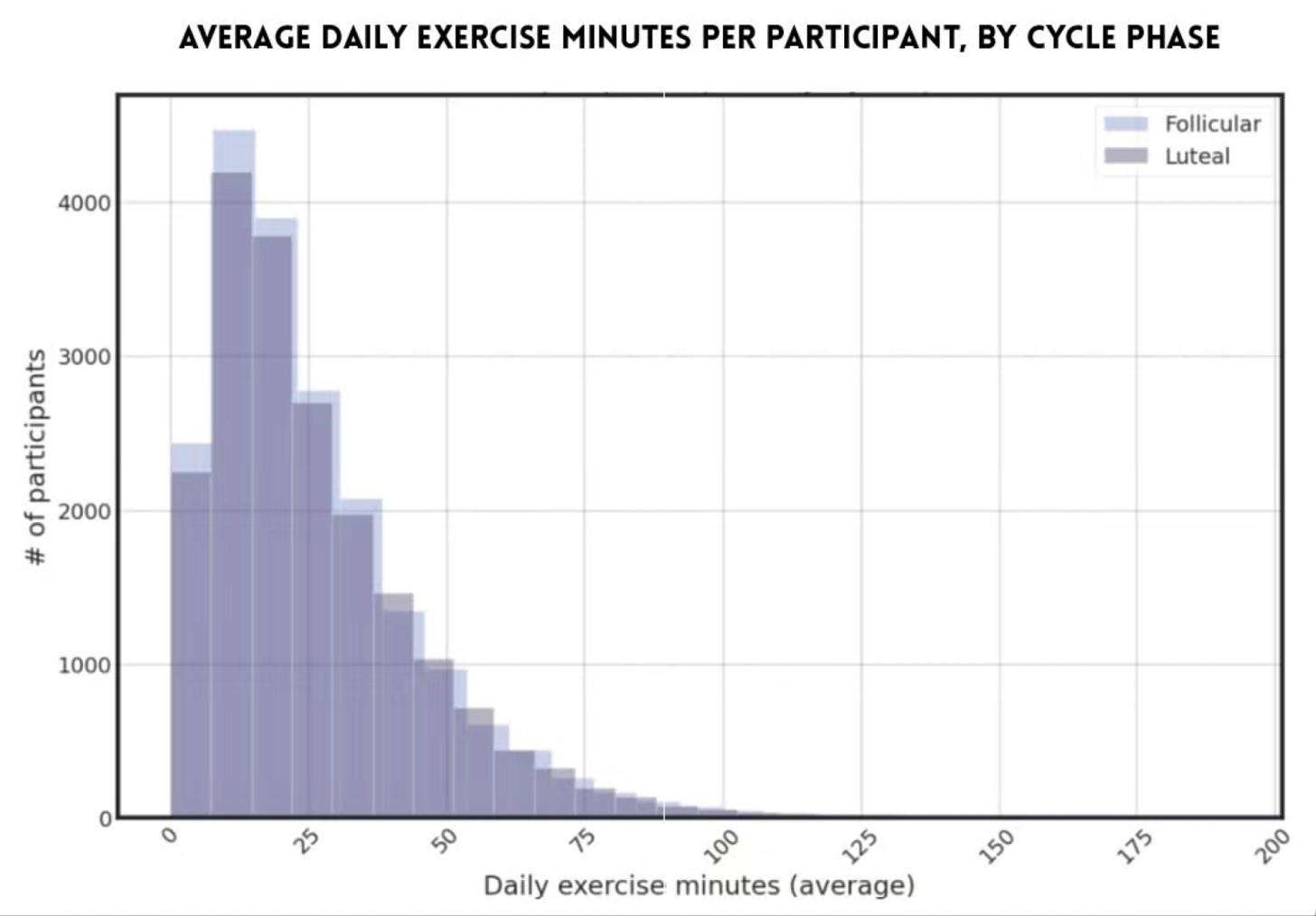
Follicular phase: ~21 minutes of exercise per day
Luteal phase: ~20.9 minutes per day
The difference was minimal, suggesting that overall activity levels remain very consistent throughout the cycle.
Why does it feel different for many people?
Even though the data shows consistency, many women report changes in how they feel while exercising. Researchers point out that this may be due to:
Hormonal fluctuations affecting energy and mood
Symptoms like cramps, fatigue, or bloating
Differences in sleep and recovery
Individual variation between cycles and people
In other words, it feels like if we force it, we’re just doing it unwillingly. And honestly, who feels like doing squats when you feel like you’re about to explode? No one.
The idea of “cycle syncing”
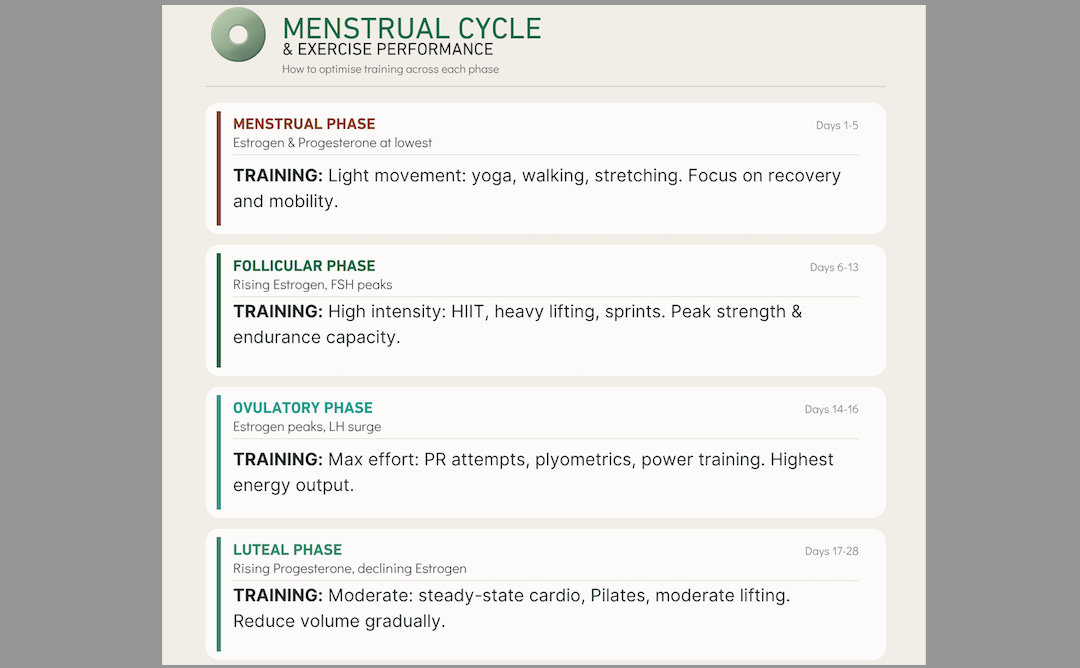
Cycle syncing that means adapting workouts to different phases of the menstrual cycle. What it suggests is Higher intensity workouts during the follicular or ovulation phases and Lighter or recovery-based training during the luteal or menstrual phases.
However, current research suggests there is not yet strong scientific evidence that hormone phases significantly change performance or muscle-building potential for most people. Instead, experts emphasize that responses are highly individual. I think that for us it is clear if you are a female with hormonal issues and very likely to have bad cramps maybe cycle syncing is for you.
What this means in practice
The main takeaway that Jade Peak took out of all this research is that exercise is beneficial in all phases of the cycle. Due to that total activity levels stay relatively stable across the month. Personal symptoms that occur in each woman may be more important than biological phases when deciding how to train. The main thing is listening to your body.
Originally published at jadepeak.com.
